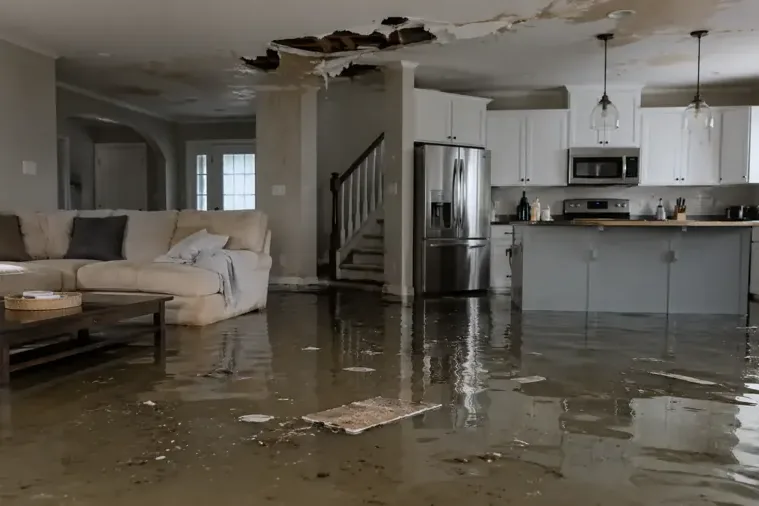
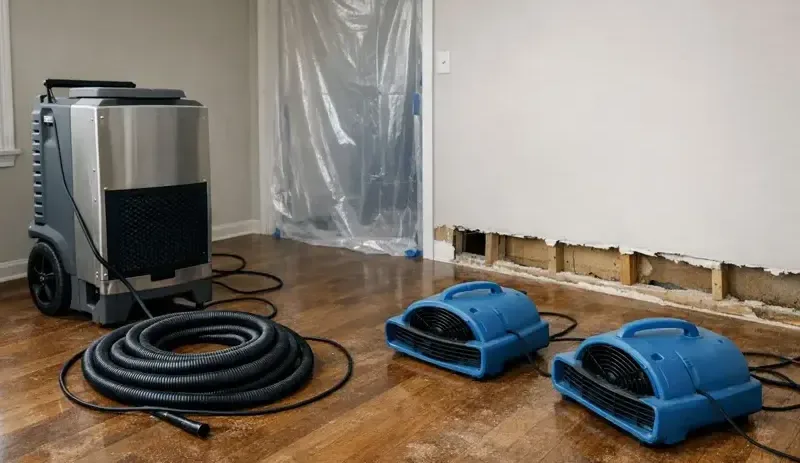
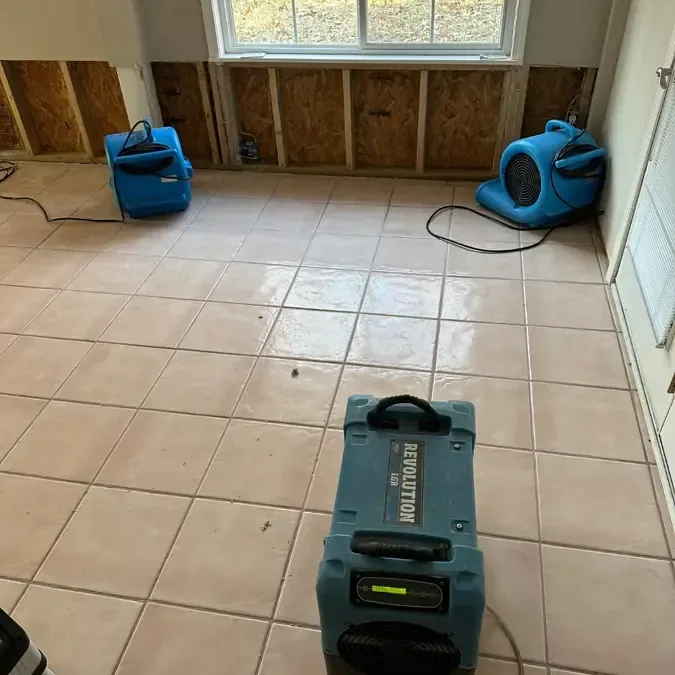
$2,000 to $6,000
Bathroom or small area
- Limited area
- Material removal
- Sanitizing
The North Texas Municipal Water District is based in Wylie and provides wholesale wastewater service to 24 communities, yet a backup in a home still calls for prompt, careful cleanup by trained crews.
(888) 527-9134Clear the contaminated water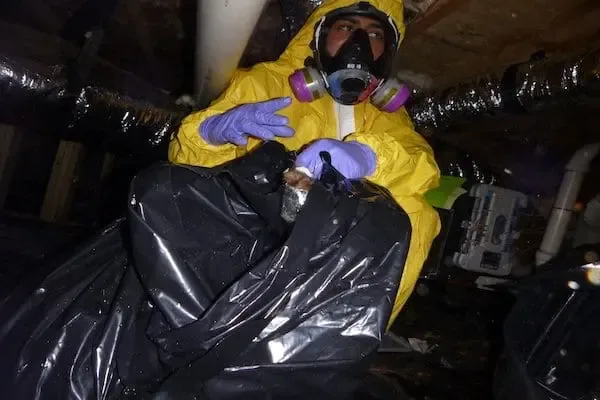
Move people and pets away from the affected area, and keep children out of the water.
Avoid flushing or running water that adds to the backup until a plumber clears the blockage.
Capture the affected rooms from a safe distance, without stepping into the water.
Call now, any hour, for protective removal and sanitizing of the area.
Contaminated water is pumped out with equipment kept separate from clean jobs.
Carpet, pad and drywall that touched sewage are cut out and bagged for disposal.
Floors, walls and framing left in place are cleaned and treated with rated products.
Dehumidifiers and air movers finish the job, with readings logged for the claim.
Sewage backup cleanup typically costs $2,000 to $30,000. A bathroom or small area is on the low end, hallways and bedrooms are in the middle, and a large part of the floor is at the high end because more material is removed and sanitized, and the containment and drying last longer. A small backup caught quickly stays far cheaper than one that spreads through the hall.
Ranges are typical, not a quote: the water category, the square footage, the material class and how fast drying started move the number most. For a planning figure on your own loss, try the water damage cost calculator.
The crew isolates the affected area and sets barriers so contamination stays out of clean rooms.
Contaminated water and porous materials are removed and bagged for proper disposal, then the exposed framing and subfloor are inspected for anything that soaked through.
Surfaces left in place are cleaned, treated and checked before drying equipment is placed, so air movers never push contamination around the building.
Equipment runs until readings reach target, and photos and logs go to the adjuster.
A sewage backup is a health hazard, not just a mess. The water carries bacteria and viruses, and anything porous it touches, from carpet to drywall, can hold contamination. That is why cleanup follows stricter steps than a clean water leak, with separate equipment, sealed disposal bags and sanitizing agents rated for the job.
Technicians wear protective gear, contain the area and extract the water with equipment kept separate from clean jobs. Carpet, pad and low drywall are removed rather than dried. The area is then cleaned, sanitized and dried, and readings confirm the structure is back to normal.
Backups come from clogged drains, tree roots in a sewer pipe or heavy rain that overwhelms the system. A plumber finds the blockage, while the cleanup crew handles the contaminated area. The cause of the backup decides how the claim is handled, so keep the plumber's report with the photos and the restoration scope.
Keep children and pets away, avoid touching the water and wash hands afterward. Leave the cleanup to trained crews who have the equipment and disposal methods. Do not run fans on sewage water, since that spreads contamination through the air, and do not use household vacuums on it either, because the exhaust and the filters spread contamination too. Wait for the crew to set containment first.
Sewage backup cleanup covers Wylie homes and shops, including Historic Downtown Wylie, State Route 78 and ZIP code 75098, with crews on call at any hour across Collin County and nearby.
The same service nearby: sewage backup cleanup in Princeton, Lucas, Fairview.
This town's water damage hub · every town coveredYes. It can carry bacteria and viruses, so protective gear and careful handling are standard for every job.
No. Carpet and pad that touch sewage are removed, and the floor beneath is cleaned and sanitized.
A plumber clears the blockage, and the cleanup crew handles the contaminated area and the drying afterward, so the two jobs are scheduled one after the other.
That depends on where the backup started, which cannot be assumed. Ask the plumber and the insurer where the blockage sits.
It depends on the area, but drying usually takes several days after the removal and sanitizing are finished. Final readings, not the calendar, decide when the crew leaves.
Policies differ on backups. Read yours and confirm details with the insurer, including any separate backup coverage.
Sewage needs trained crews and the right gear, so cleanup starts with containment. Call now, any hour, and a Wylie crew will begin removal and sanitizing.