$1,500 to $4,000
One or two rooms
- Small wet area
- Few machines
- Short drying run
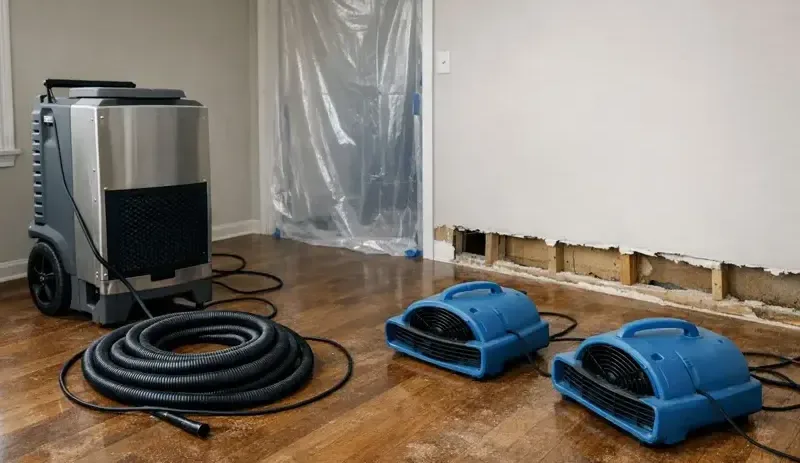
After the April 2016 hail storm and the February 2021 freeze, Wylie homes needed thorough structural drying. Crews place air movers and dehumidifiers by the moisture map and keep going until readings reach target.
(888) 527-9134Start measured drying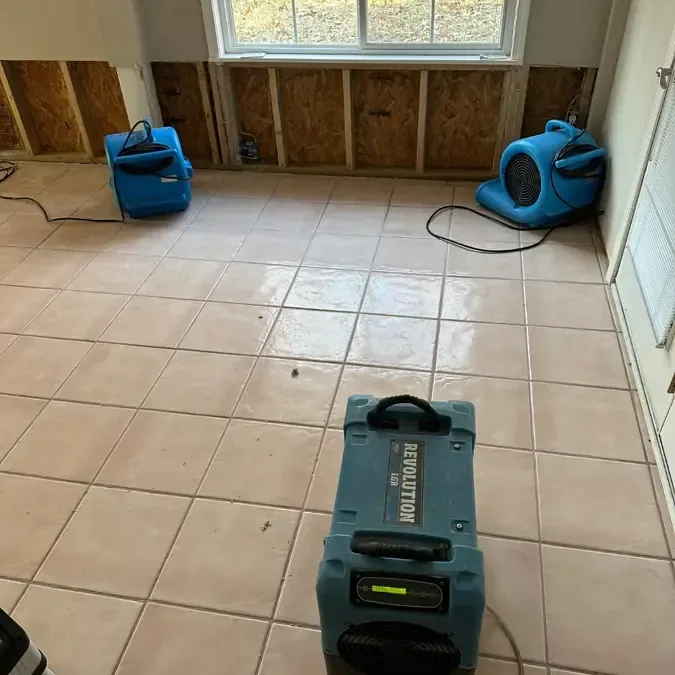
Meters and a thermal camera map every wet area before any equipment is placed.
Air movers and dehumidifiers go where the readings call for them, not where it is convenient.
Readings show progress and steer changes in placement or equipment count.
Equipment comes out only when the structure matches its dry reference points.
Mats and air movers dry hardwood, laminate and subfloors without tearing them out when possible.
Directed air dries framing and insulation behind drywall through small openings.
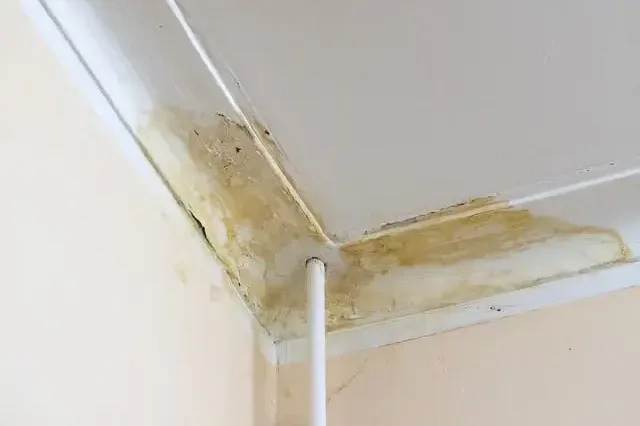
Joists and insulation are dried after leaks from the roof or from pipes overhead.
Readings are logged until the structure matches the dry reference points.
Structural drying typically costs $1,500 to $20,000. One or two rooms are on the low end, several rooms and cabinets are in the middle, and Class 4 drying of slab and hardwood costs the most because dense materials hold water longer and need more days of equipment. Starting the drying early keeps a small loss in the first tier.
Ranges are typical, not a quote: the water category, the square footage, the material class and how fast drying started move the number most. For a planning figure on your own loss, try the water damage cost calculator.
Meters and a thermal camera find every wet material, including areas hidden behind walls and under floors.
Air movers and dehumidifiers are set by the map, with airflow aimed at the wettest surfaces and away from dry rooms.
Daily readings steer changes in placement, and equipment is added or removed as the numbers fall, so power is not wasted on areas that have finished drying.
Final readings and logs go to the adjuster, along with photos and a short written scope.
Structural drying is the part of a restoration that decides whether a house recovers or develops problems later. Water soaks into framing, subfloors and wall cavities, and surface drying alone leaves moisture behind. A measured process finishes the job, with equipment sized to the room, readings taken each day and changes made when the numbers stall. Skipping any of those steps is how a house that looks dry ends up with swollen trim and odor a month later.
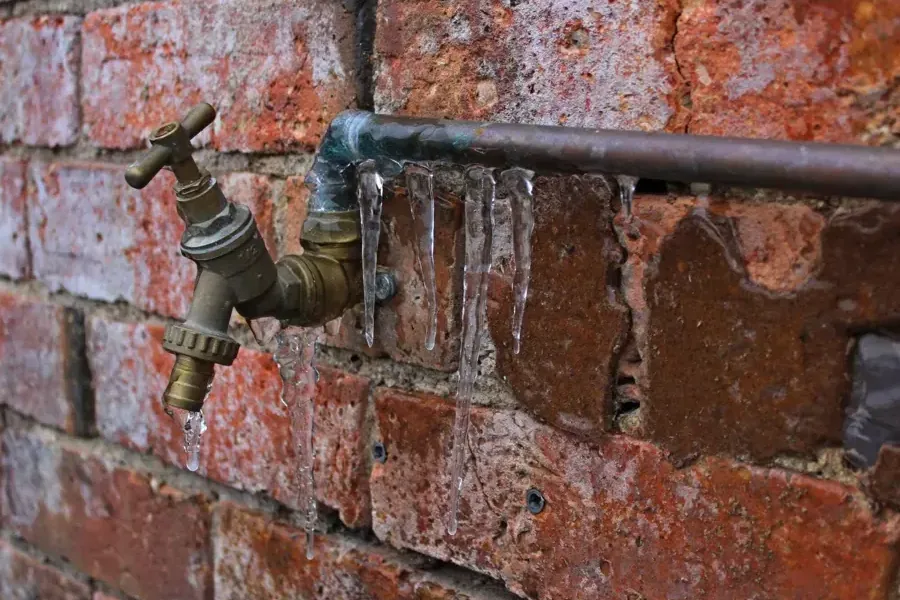
Two events stand out in recent local history. The April 11, 2016 hail storm damaged an estimated 80% of homes and sent rain through roofs. The February 2021 winter storm brought record cold and frozen water pipes. In both cases, water ended up inside walls and ceilings where only drying equipment could reach it.
Dense materials dry slowly. Hardwood floors may need drying mats, concrete releases moisture over days, and wall cavities need directed air through small openings. Equipment placement matters more than equipment count, which is why crews rely on the moisture map. Drying also takes patience, since turning machines off early restarts the clock.
Drying ends when readings match the dry reference points taken from unaffected parts of the building. The crew removes the equipment, and the logs go to the adjuster, who can see each day's numbers from the first visit to the last.
Structural drying covers Wylie homes and shops, including Historic Downtown Wylie, State Route 78 and ZIP code 75098, with crews on call at any hour across Collin County and nearby, on any day of the week.
The same service nearby: structural drying in Princeton, Lucas, Fairview.
This town's water damage hub · every town coveredUsually several days, depending on the materials and the moisture. Dense floors and concrete take longer than carpet.
Moisture leaves slowly, and constant airflow and dehumidifying are what pull it out of the framing. Turning machines off early lets damp pockets stay behind.
Slowly, and often not completely. Wet cavities stay damp without directed air moving through them, and that is where swelling and odor begin.
It refers to dense materials like hardwood and concrete that hold water deeply and need specialty equipment and more time.
No. Small leaks can leave wet framing and subfloors that need measured drying too, even when the surface looks fine and feels dry to the touch.
Readings are compared with dry reference points from unaffected areas, and the logs are given to the homeowner and the adjuster.
Surface drying leaves moisture inside the structure, so measured drying matters. Call now, any hour, and a Wylie crew will map the moisture and dry what remains.