$1,000 to $3,500
One ceiling area
- Insulation removed
- Ceiling dried in place
- Two to four days
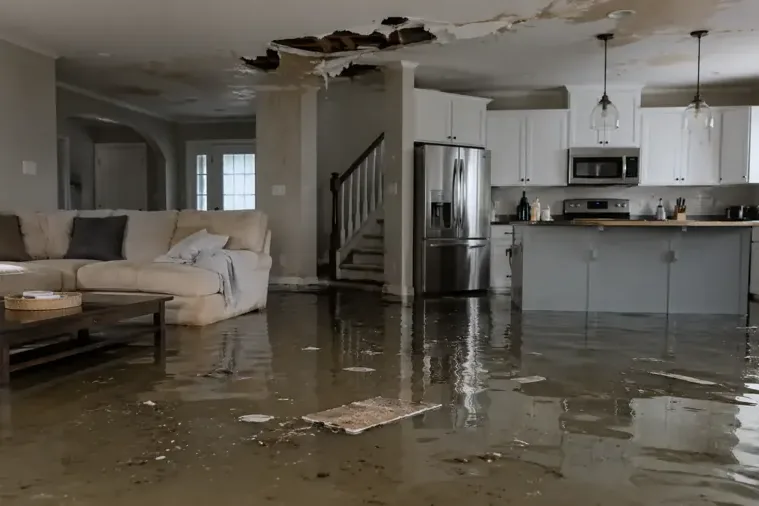
24/7 roof leak water damage cleanup in Princeton. After storm rain gets past shingles or flashing, the response team removes wet attic insulation, dries the ceilings and walls below and documents the damage for the claim and the roofer.
(888) 527-9134Rain coming through? Phone now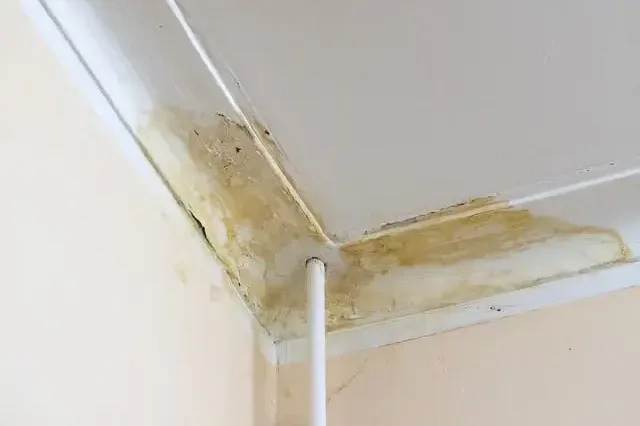
Set buckets and towels under drips and move furniture and electronics out of the way.
Poke a small hole at the low point of a bulge so water drains in one place instead of dropping the ceiling.
A tarp or temporary seal stops more rain while the inside is dried.
Photograph the ceiling, the attic if safe, and note the date and time of the storm.
Storm nights bring many calls; the response team works through them, attic first.
Wet insulation is removed and ceilings, walls and decking are dried to readings.
Storm date, interior photos and daily readings support the claim alongside the roofer's report.
Complex rooflines and attic insulation in local new builds are routine work here.
In Princeton, TX, roof leak water damage typically runs $1,000 to $3,500 to dry one ceiling area with wet insulation, and $3,500 to $8,000 when water reached walls and flooring in several rooms. A storm that soaked an attic and two floors can reach $8,000 to $18,000. Roof repair is billed separately by the roofer.
Ranges are typical, not a quote: the water category, the square footage, the material class and how fast drying started move the number most. For a planning figure on your own loss, try the water damage cost calculator.
The tech who does the walkthrough follows the water from the stain back toward the entry point, with thermal imaging along rafters and joists.
The mitigation team bags soaked insulation and releases trapped water, so the decking and ceiling drywall can dry.
Air movers and LGR dehumidifiers dry the ceiling, walls and floors below, with containment around attic work.
Readings are logged daily until every material reaches the drying goal, then the roofer and drywall crew close up.
On a Princeton house, a roof leak starts outside: wind-driven rain gets past a lifted shingle, a cracked pipe boot or loose flashing at a wall or chimney. Inside, the water soaks the decking and insulation, runs along rafters and comes through the ceiling, sometimes far from where it entered.
Collin County gets just under 35 inches of rain a year, much of it in heavy storms with wind. Homes from the 2010s and 2020s across Arcadia Farms and the US 380 subdivisions have complex rooflines with valleys, vents and wall flashing where water finds a gap. Where leaks show up inside:
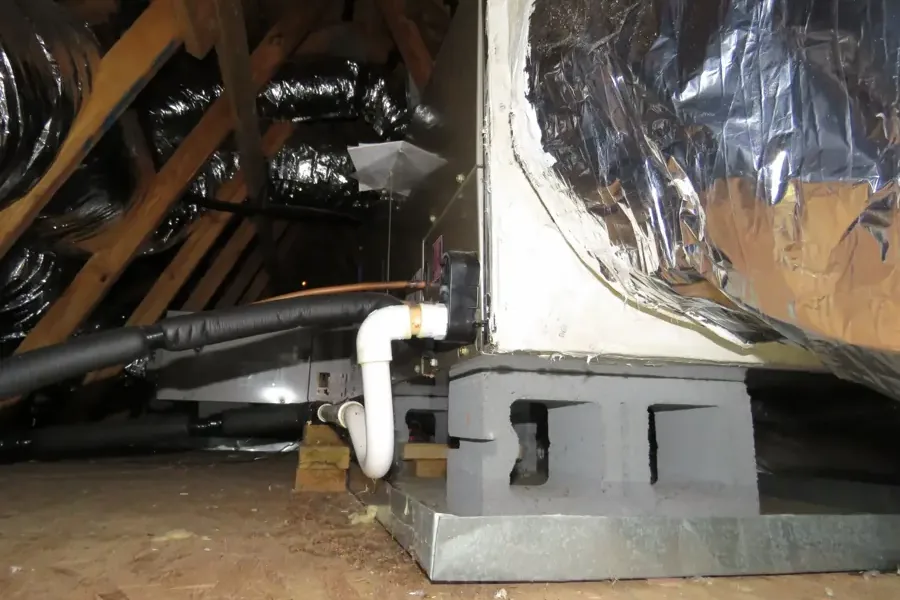
A roofer seals or tarps the roof; the restoration team handles the water already inside. The drying team removes soaked insulation, traces moisture along the rafters and ceiling joists with thermal imaging, and dries the ceiling, walls and floors below with air movers and LGR dehumidifiers. Clean rain caught early is Category 1; water that sat in the attic or ran through dirty insulation can be Category 2. A ceiling stain with no storm behind it may be an AC condensate leak instead, and heavy storm water at ground level is storm flood cleanup.
Photograph the ceiling and the attic, note the storm date and keep the roofer's report. Ready.gov severe weather guidance covers storm preparation, and the Texas Department of Insurance explains storm and water claims for Texas homeowners.
The restoration crew works all of ZIP 75407, from the Arcadia Farms streets and the newer subdivisions off US 380 to the older homes along FM 982 and FM 546 on the southern edge of town.
Nearby coverage reaches McKinney, Farmersville, Lowry Crossing, Fairview, Lucas, Melissa.
See every part of Princeton coveredA roofer repairs or tarps the roof. The restoration team dries the attic, ceilings and walls the leak soaked inside the house.
Water runs along decking, rafters and joists before it drips. The stain can appear several feet from where rain entered.
Usually. Soaked insulation holds water against the ceiling and loses its value, so it is removed and replaced after drying.
Most roof leaks dry in two to five days once insulation is out. Wet decking, walls and flooring take longer.
Sudden storm damage is commonly covered, while wear and old leaks often are not. Coverage depends on your policy, so check with your own insurer.
Most interior roof leak jobs here run $1,000 to $8,000. The cost calculator gives a planning range.
Wet insulation keeps the ceiling soaked long after the rain stops. Drying the attic now saves the drywall below.