$1,200 to $4,000
One line, caught quickly
- Extraction below the break
- Wall cavity dried
- Three to five days
24/7 frozen pipe water damage cleanup in Princeton. When a cold snap splits an attic or exterior-wall line, the restoration crew extracts the water on the thaw, opens only what the readings require and dries the structure to IICRC S500.
(888) 527-9134Pipe thawed and leaking? Phone now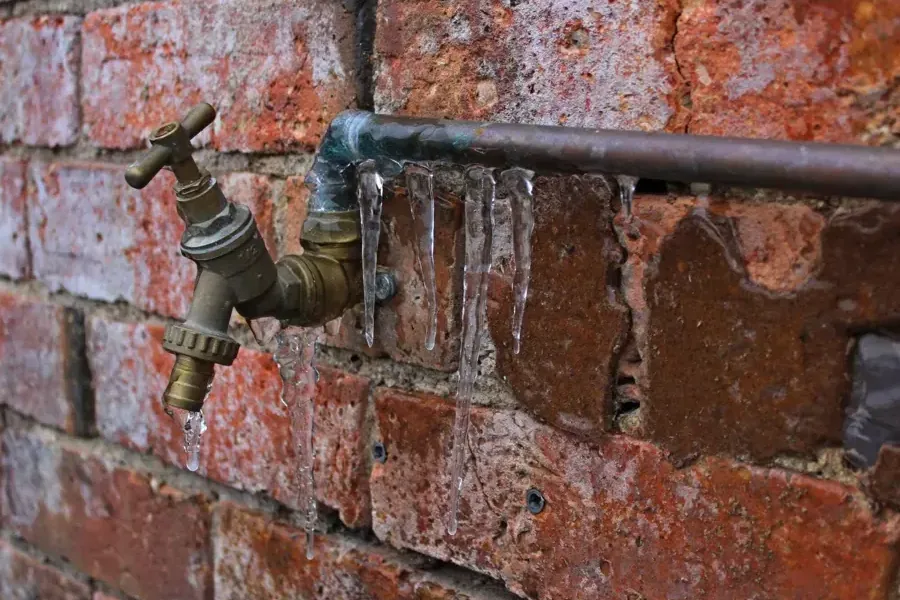
Shut the supply before thawing a frozen line, so a split pipe does not flood the house as it warms.
Use a hair dryer or warm towels, never an open flame, and work from the faucet end back toward the freeze.
Check ceilings under attic lines for stains or sagging, and move belongings out from under them.
Photograph the split, the wet areas and note the date of the cold snap for the claim.
Cold snaps bring many calls at once; the response team works through the night across Princeton.
Wet insulation is removed, and ceilings and walls are dried to readings, not to touch.
The freeze date, the split pipe and daily moisture logs are recorded for the adjuster.
Attic supply lines and garage-wall plumbing in new builds are the usual freeze points here.
In Princeton, TX, frozen pipe water damage typically runs $1,200 to $4,000 when one line split and was caught quickly, and $4,000 to $9,500 when attic water came through ceilings into several rooms. A break that ran while the house was empty can reach $9,500 to $18,000. Wet insulation and ceiling drywall drive most of the cost.
Ranges are typical, not a quote: the water category, the square footage, the material class and how fast drying started move the number most. For a planning figure on your own loss, try the water damage cost calculator.
The tech who does the walkthrough confirms the main is closed, finds every split, and checks ceilings under attic lines for trapped water.
The extraction crew clears standing water, and soaked attic insulation comes out so the ceiling drywall below can dry.
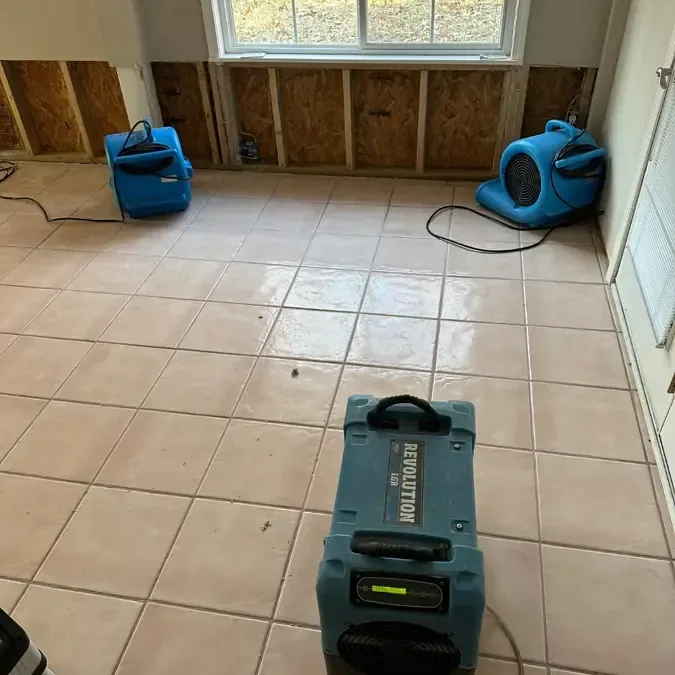
Air movers and LGR dehumidifiers dry the ceiling, wall cavities and floors, with containment where attic dust is disturbed.
Readings are logged until every material reaches the drying goal, so the plumber and rebuild crew close up dry framing.
A frozen pipe rarely leaks while it is frozen. Ice expands, the pipe or fitting splits, and the water comes out when the line thaws, often days after the cold snap, sometimes while the house is empty. By then it has soaked attic insulation, ceilings or a wall cavity.
Collin County winters are short, but January lows average 34 F, so hard freezes still come through. Many homes in Princeton, including the 2010s and 2020s builds in Arcadia Farms and along US 380, run supply lines through the attic, garage walls and exterior walls, where a freeze hits first:
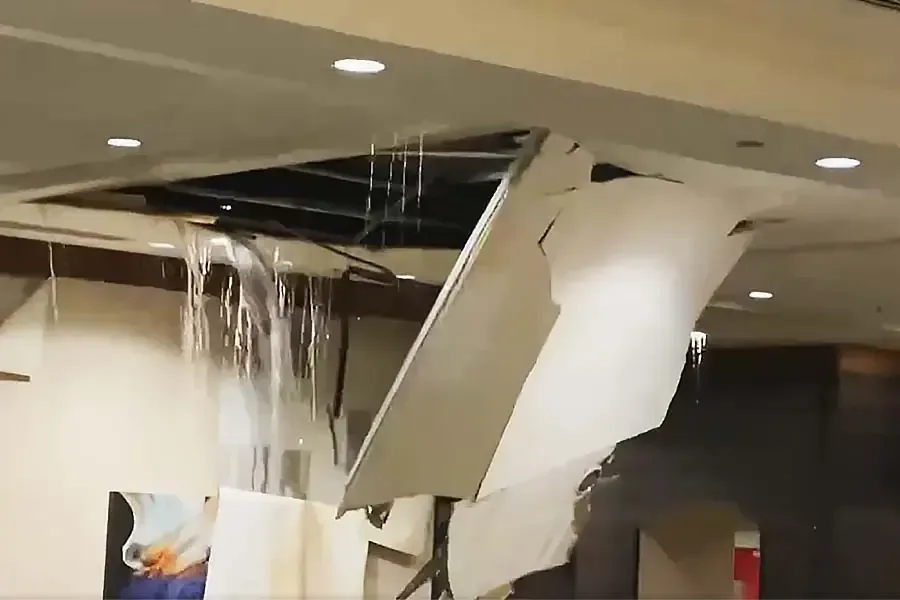
Water from an attic line falls through insulation onto the ceiling drywall, which sags and stains before it drops. The extraction crew removes standing water below, the drying team pulls wet insulation, and thermal imaging traces how far water traveled along joists. Air movers and LGR dehumidifiers then dry the ceiling, walls and floors to readings. Freeze breaks share a lot with any burst pipe, and ceiling damage is covered on the ceiling leak page.
Ready.gov winter weather guidance lists the basics: insulate exposed pipes, open sink cabinets on exterior walls and let a faucet drip in deep cold. Energy Saver from the U.S. Department of Energy covers attic insulation and air sealing, which also protect pipes. Knowing where the main shut-off sits matters most when a line splits at night.
The restoration crew works all of ZIP 75407, from the Arcadia Farms streets and the newer subdivisions off US 380 to the older homes along FM 982 and FM 546 on the southern edge of town.
Nearby coverage reaches McKinney, Farmersville, Lowry Crossing, Fairview, Lucas, Melissa.
See every part of Princeton coveredYes. January lows here average 34 F, and hard freezes still come through. Pipes in attics, garages and exterior walls freeze first, and the leak usually shows up when they thaw.
Ice splits the pipe while frozen and holds the water in. The leak starts as the line thaws, which can be a day or more later.
Usually. Soaked blown-in or batt insulation holds water against the ceiling drywall and dries poorly, so it is removed and replaced after drying.
Most frozen pipe losses dry in three to five days. Ceilings, insulation and two-story spread can add several days, and readings decide when equipment leaves.
Many policies cover sudden freeze damage, but some exclude it when a home was left unheated. Coverage depends on your policy, so check with your own insurer.
Most frozen pipe jobs here run $1,200 to $9,500. The cost calculator gives a planning range for your rooms.
Close the main before thawing, then get the water out of the ceiling, the insulation and the walls.