$800 to $2,500
One room, caught early
- Extraction off the slab
- Carpet and pad treated
- Two to four days
24/7 emergency water removal for homes and businesses in Princeton. The extraction crew pulls standing water off the slab, out of carpet and pad and away from cabinets, then sets drying equipment to the IICRC S500 standard.
(888) 527-9134Get the water off the floor tonight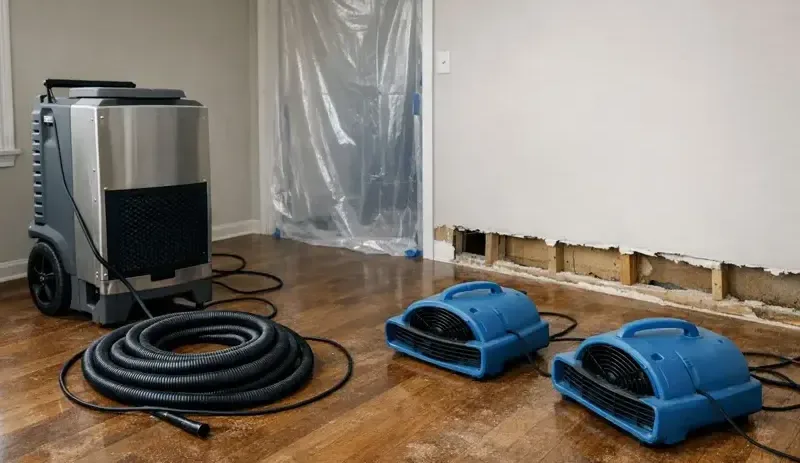
Close the fixture valve or the main shut-off, and turn off the water heater if the tank is the source.
Switch off power to wet rooms at a dry breaker panel and keep people and pets off soaked floors.
Move rugs, boxes, electronics and furniture off the floor; set wood legs on foil or blocks.
Take timestamped photos of the source and the waterline, then call while the water is still standing.
The response team works across Princeton day and night, so extraction starts before water wicks up drywall and cabinet sides.
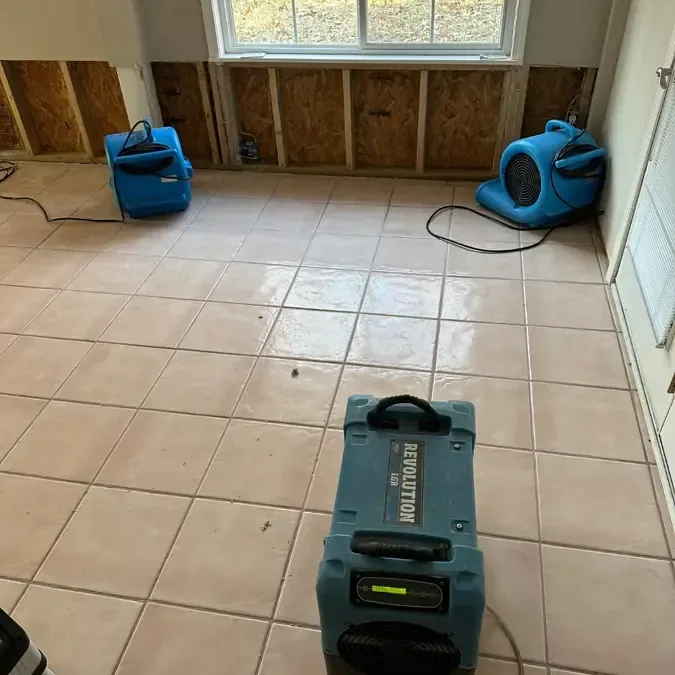
Extraction first, then air movers and LGR dehumidifiers sized to each room's evaporation load.
The source, the waterline and daily readings are recorded for the adjuster from the first visit.
Slab floors, attached garages and new-build cabinets on Collin County clay are routine work here.
In Princeton, TX, emergency water removal typically runs $800 to $2,500 when water stayed in one room and was caught early, and $2,500 to $6,500 when it spread under flooring into several rooms. Category 3 water, a flooded garage and kitchen together, or a commercial space can reach $6,500 to $15,000 once drying is included.
Ranges are typical, not a quote: the water category, the square footage, the material class and how fast drying started move the number most. For a planning figure on your own loss, try the water damage cost calculator.
The tech who does the walkthrough finds the source and sets the water category, because clean and contaminated water need different handling from the first minute.
Truck-mounted units and weighted tools pull standing water off the slab and out of carpet and pad, so far less water is left to evaporate.
Thermal imaging and pinless meters map the wet area, and the drying team sets air movers and dehumidifiers to match each room's load.
Readings are logged daily against a dry reference, and the equipment stays until every wet material reaches the drying goal.
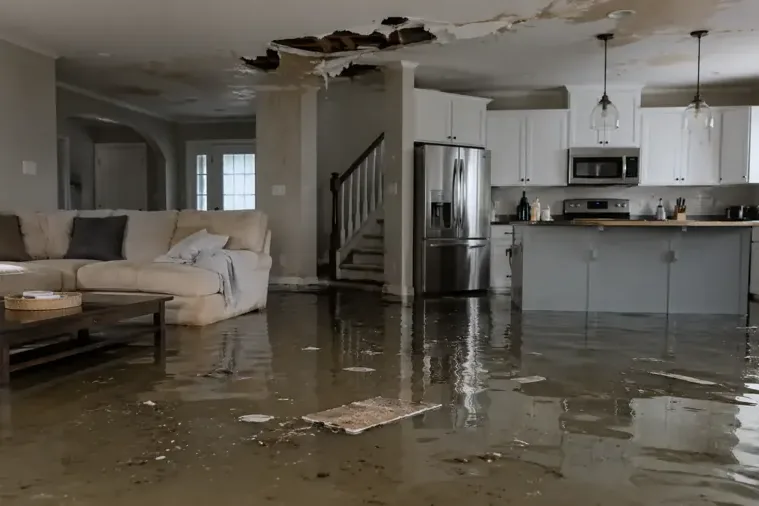
Standing water on a slab does not soak away. It runs under baseboards, into carpet pad and up the bottom of drywall and cabinet sides, and every hour it sits adds rooms to the drying plan. The extraction crew treats removal as the first job and drying as the second, never the other way around.
Most homes in ZIP 75407 went up in the 2010s and 2020s on slabs over Collin County clay, with vinyl plank, carpet or engineered wood laid right on the concrete. Water trapped under those floors cannot evaporate on its own. Pulling it out fast is what keeps a one-room loss from becoming a whole-floor loss:
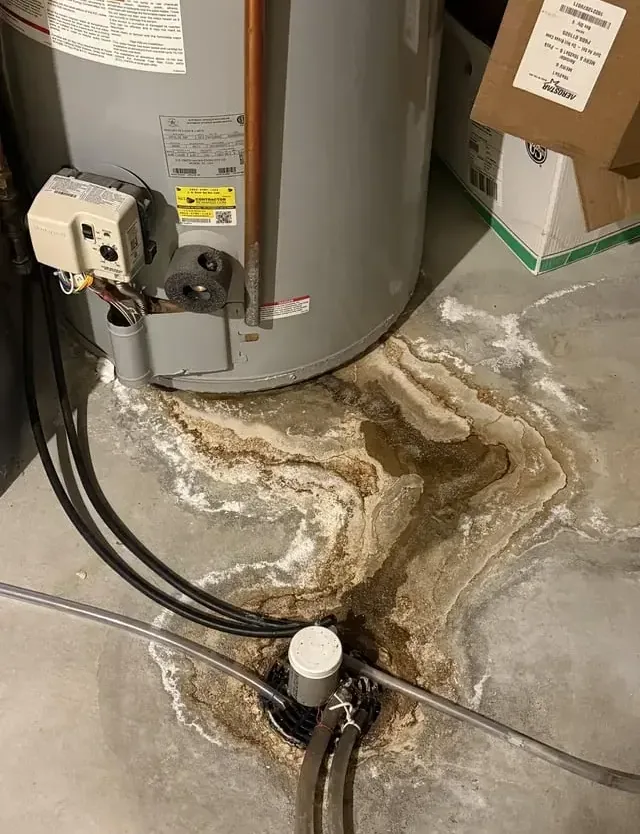
Garages flood from a failed water heater or storm runoff at the door; living areas flood from a supply line, an appliance or an overflowing tub. In the newer subdivisions such as Arcadia Farms, the restoration team often finds water that crossed from the garage into the laundry and kitchen under the same slab. Once the floor is clear, the team sets air movers and dehumidifiers for structural drying.
The tech who does the walkthrough records the source, the category and every wet material in a moisture map, with photos before anything is removed. For a broader look at preparing a household for flooding, Ready.gov flood guidance lists the basics, and EPA WaterSense covers catching household leaks before they reach the floor. If cost is the next question, the water damage cost calculator gives a planning range.
The restoration crew works all of ZIP 75407, from the Arcadia Farms streets and the newer subdivisions off US 380 to the older homes along FM 982 and FM 546 on the southern edge of town.
Nearby coverage reaches McKinney, Farmersville, Lowry Crossing, Fairview, Lucas, Melissa.
See every part of Princeton coveredEmergency water removal is treated as urgent at any hour, 24/7. The extraction crew starts with the standing water, because every hour it sits on a slab it spreads under flooring and up walls.
A shop vacuum lifts surface water but leaves most of what is in carpet pad, under vinyl plank and inside wall bottoms. Truck-mounted extraction and weighted tools remove far more, which shortens drying.
Not always. Carpet wet with clean water and extracted quickly is often dried in place, though the pad is usually replaced. Carpet touched by sewage or storm water is removed.
A contained Class 1 or 2 loss usually dries in three to five days. Water under engineered wood, inside cabinets or soaked into the slab takes longer, and readings decide when equipment leaves.
Most jobs fall between $800 and $6,500 depending on rooms, category and materials; larger or Category 3 losses run higher. The cost calculator gives a planning range.
Many policies cover sudden and accidental water, such as a burst supply line, while rising flood water needs flood coverage. Coverage depends on your policy, so check with your own insurer.
Yes, for wet rooms, but only from a dry breaker panel. If water is near the panel or outlets, stay clear and let the response team and an electrician handle it.
Yes. The extraction crew moves or blocks up furniture, lifts rugs and boxes off wet floors and photographs damaged items for the claim before extraction and drying begin.
Every hour on a slab pushes water further under flooring and up walls. Extraction now keeps the job smaller.