$800 to $2,500
Small ceiling area
- Insulation checked
- Ceiling dried in place
- Two to four days
24/7 AC condensate leak water damage cleanup in Princeton. When an attic air handler's pan overflows or its drain line clogs, the drying team removes wet insulation, dries the ceiling and walls below and logs readings to the IICRC S500 goal.
(888) 527-9134AC pan overflowing? Phone dispatch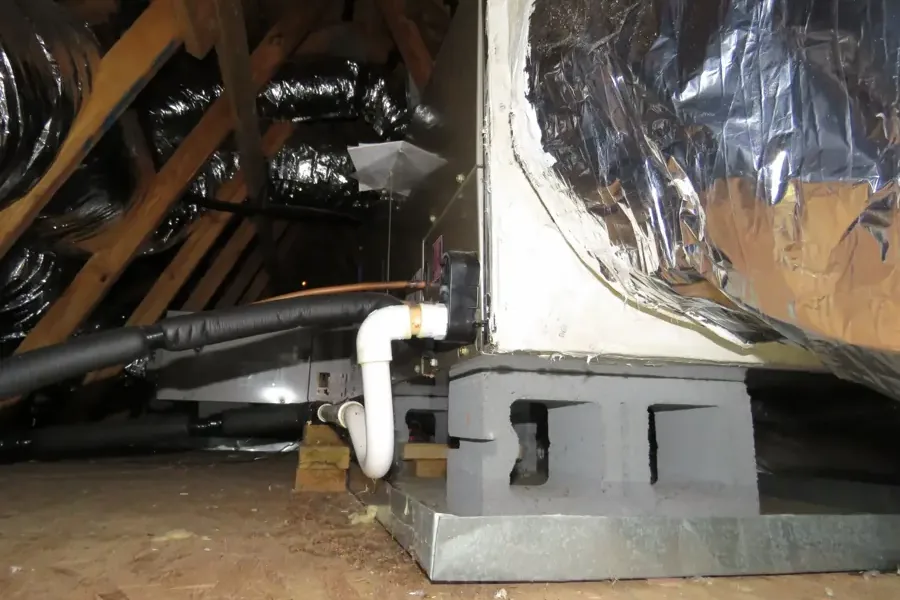
Switch the thermostat off so the coil stops making condensate while the leak is sorted out.
Move furniture and electronics from under the stain and set a bucket under any drip.
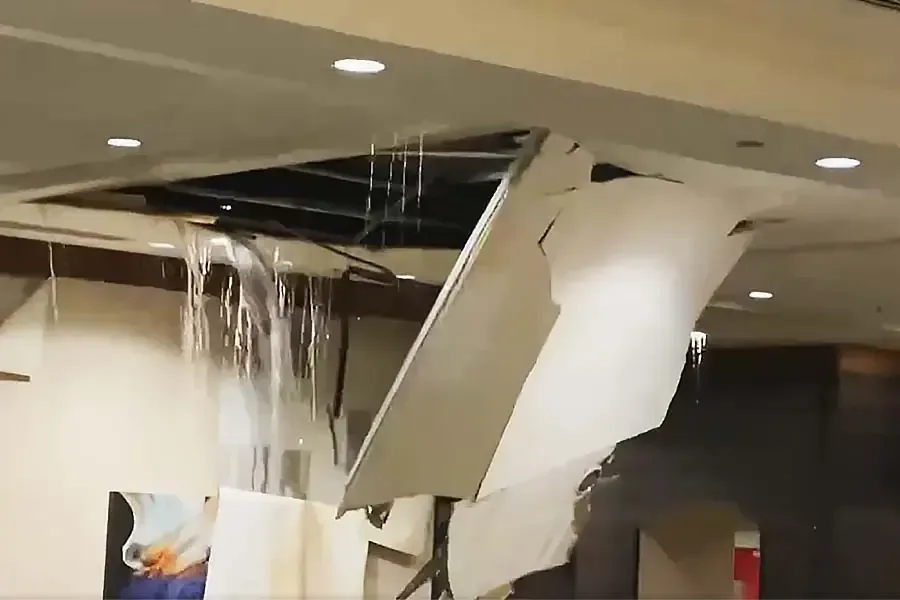
A sagging ceiling can hold a lot of water; keep people clear and let the crew release it safely.
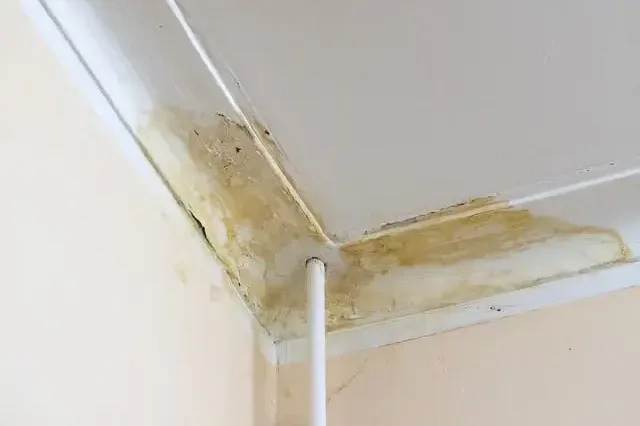
Capture the stain, the drip point and, if safe to reach, the pan and drain line.
Summer overflows are urgent; the response team works day and night before ceilings sag and drop.
Wet insulation comes out and the ceiling is dried to readings, not stain-blocked and painted over.
Photos of the pan, the clogged line and daily readings support the claim and the HVAC repair.
Attic air handlers over bedrooms are standard in new Princeton builds, and these leaks are routine work.
In Princeton, TX, AC condensate leak water damage typically runs $800 to $2,500 when a small ceiling area got wet and was caught early, and $2,500 to $6,000 when insulation and drywall in several rooms soaked. A long, slow overflow that reached walls and flooring can reach $6,000 to $12,000. HVAC repair is separate.
Ranges are typical, not a quote: the water category, the square footage, the material class and how fast drying started move the number most. For a planning figure on your own loss, try the water damage cost calculator.
The tech who does the walkthrough checks the pan, the drain line and the insulation, then maps moisture in the ceiling and walls below.
The mitigation team drains any trapped water, cuts out sagging drywall and bags soaked insulation so the framing can dry.
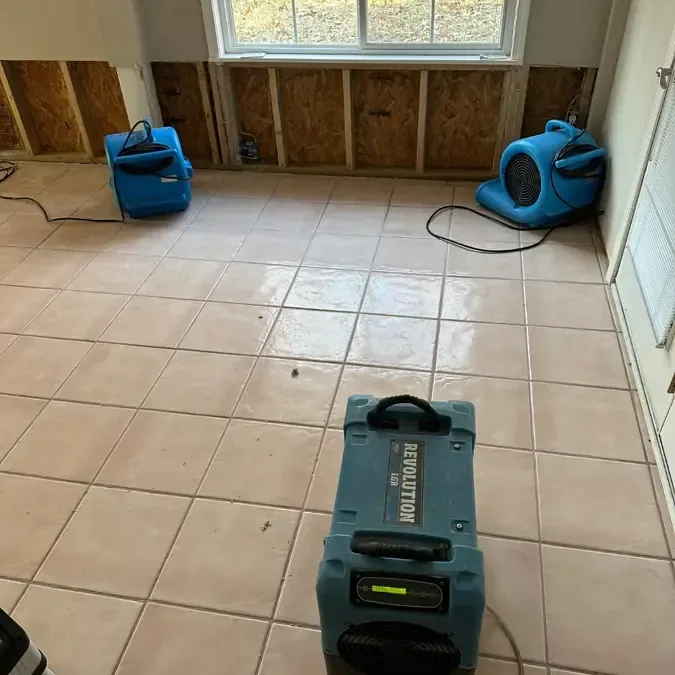
Air movers and LGR dehumidifiers dry the ceiling from below while the attic side is opened up, with containment for attic dust.
Daily readings run until the drywall and framing reach the drying goal, then the ceiling is ready for repair.
An air conditioner in a Princeton home pulls water out of the air all summer. That condensate drips into a pan under the indoor coil and drains away through a small line. When the line clogs with algae or debris, or the pan rusts through, the water goes somewhere else: into the attic insulation, the ceiling drywall and the room below.
July highs here average 96 F, so systems run long hours and produce a lot of condensate. Many homes built in the 2010s and 2020s, from Arcadia Farms to the subdivisions off FM 982, put the air handler in the attic over bedrooms and hallways. A slow overflow can soak a ceiling for days before a stain appears. Warning signs:
The drying team checks the pan and the insulation above first, removing soaked insulation that would keep the drywall wet. Thermal imaging shows how far water ran along the ceiling joists, and sagging drywall is cut out before it falls. Air movers and LGR dehumidifiers then dry the ceiling, walls and any flooring below. Condensate is gray water, so it is handled as Category 2. Damage that looks the same but starts at the roof belongs on the roof leak page, and a plumbing source above a ceiling is a ceiling leak.
An HVAC technician clears the line, checks the float switch and replaces a rusted pan. Energy Saver from the U.S. Department of Energy covers routine air conditioner maintenance, and EPA WaterSense covers spotting leaks around the house early.
The restoration crew works all of ZIP 75407, from the Arcadia Farms streets and the newer subdivisions off US 380 to the older homes along FM 982 and FM 546 on the southern edge of town.
Nearby coverage reaches McKinney, Farmersville, Lowry Crossing, Fairview, Lucas, Melissa.
See every part of Princeton coveredThe condensate drain line has likely clogged or the pan under the attic air handler has overflowed or rusted through. Water then soaks the insulation and comes through the ceiling below.
Condensate picks up dust and growth from the coil and pan, so it is treated as Category 2 gray water during cleanup.
Not always. A small wet area often dries in place. Drywall that sagged, crumbled or stayed wet for days is cut out and replaced.
Most condensate leaks dry in two to four days once wet insulation is out. Larger areas or wet walls take longer.
Sudden overflow damage is often covered, while long-term leaks and the AC repair usually are not. Coverage depends on your policy, so check with your own insurer.
Most condensate leak jobs here run $800 to $6,000. The cost calculator gives a planning range.
A clogged condensate line keeps soaking insulation and drywall. Drying the ceiling now keeps it from falling.