$1,000 to $3,500
Small and caught early
- One room affected
- Short equipment run
- Minimal demolition needed
Burst pipes, slab leaks, water heater floods and storm water get pulled out of Melissa homes and dried to the IICRC S500 standard, with moisture readings and photos your insurer can use.
(888) 527-9134Talk to a dry-out pro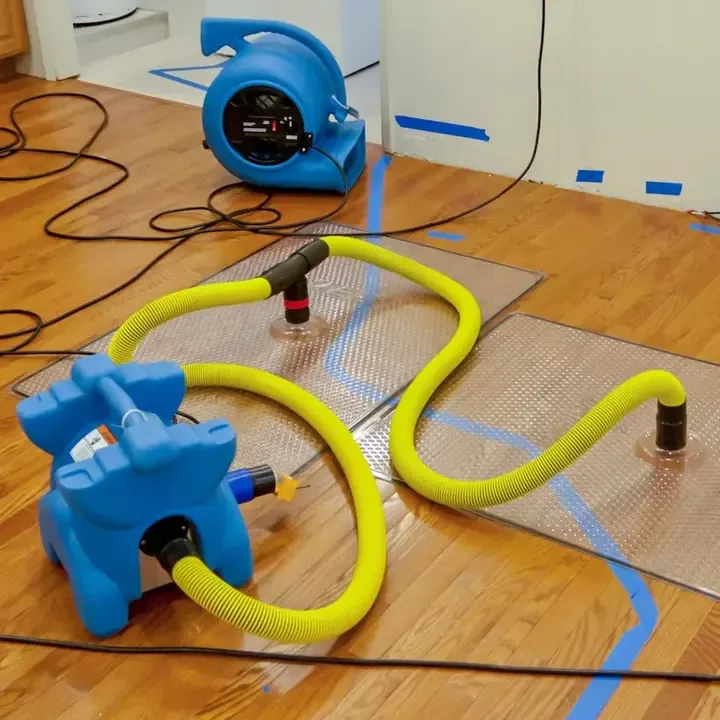
Close the main valve or the appliance shutoff. If water reaches outlets, switch off that breaker first and stay out.
Keep children and animals out of wet rooms, and avoid standing water near cords, panels or power strips.
Take up rugs, books and small furniture, and slide foil or blocks under heavy legs so stains stop spreading.
Shoot wide and close photos of the damage and the source before anything is moved. Insurers lean on these.
Water soaks into drywall and subfloor quickly, so call for extraction instead of letting a fan run for days.
From a hidden slab leak to a flooded garage, each service below has its own page with a price range, a process and answers to common questions.
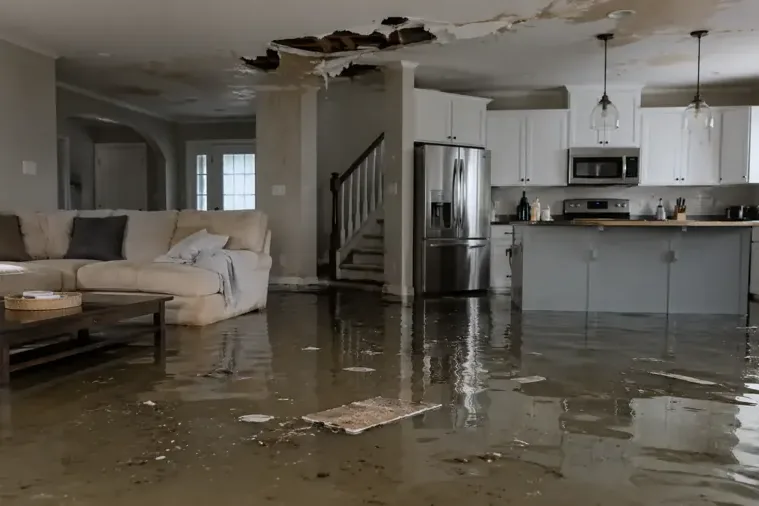
Condensate pans, roof flashing and upstairs baths send water down through the ceiling.
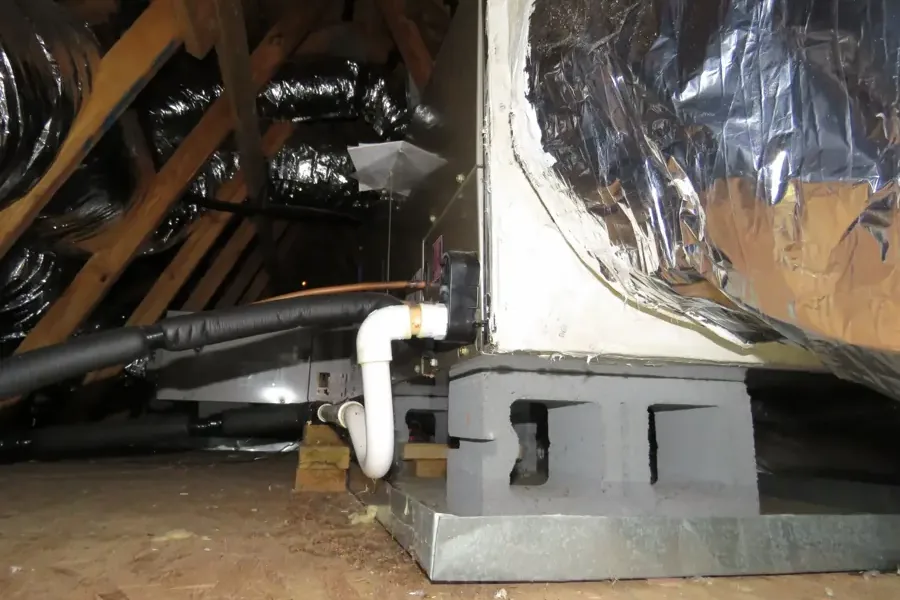 AC Condensate Leak Water DamageA clogged condensate drain sends water into ceilings and walls long before a stain appears.See the service
 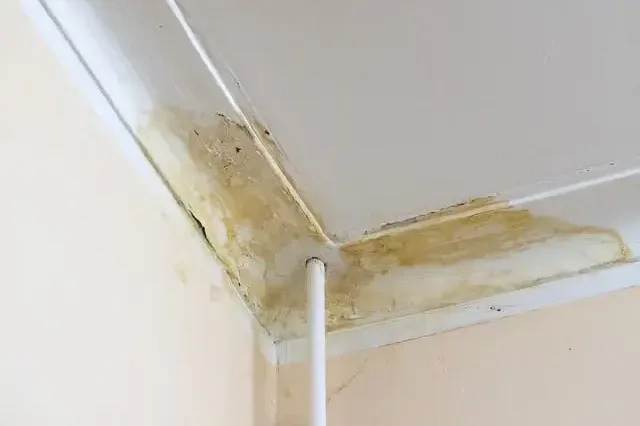 Roof Leak Water DamageWater entering at the roof travels along framing, so attic insulation and ceilings below get dried.See the service
 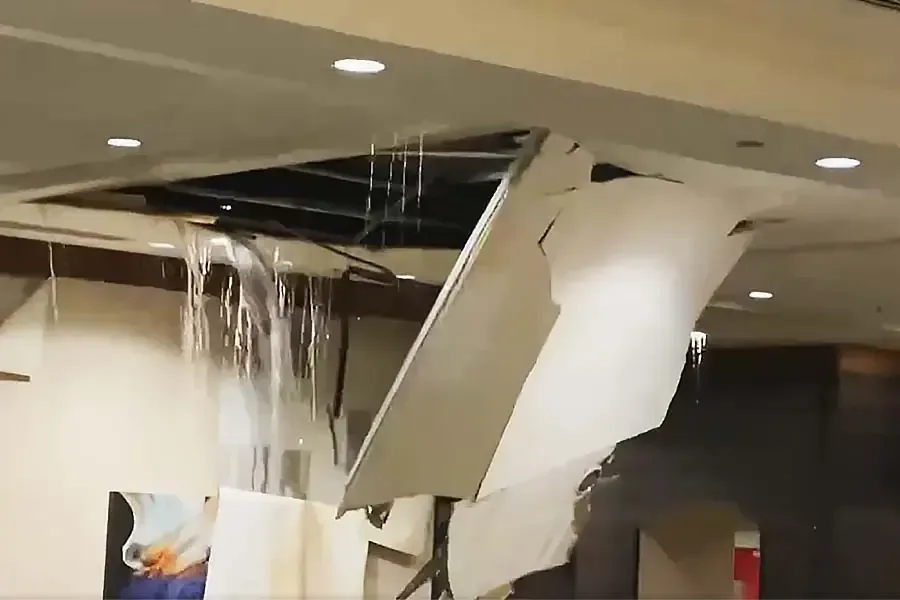 Ceiling Leak Water DamageSagging, stained or dripping ceilings need the source found and wet drywall opened or dried in place.See the service
 Hoses, seals and storage tanks that let go in the rooms used every day.
Supply lines in walls, attics and under the concrete, where a leak hides longest.
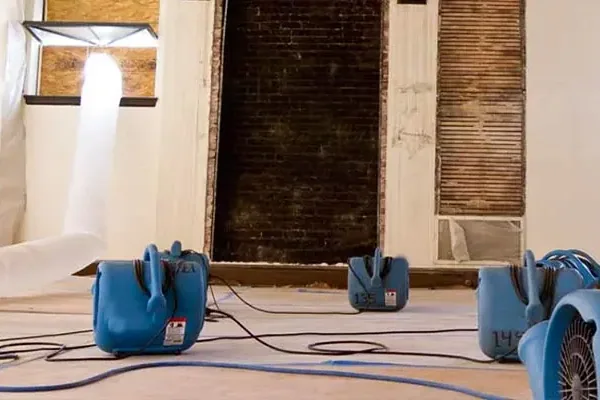 Slab Leak Water DamageWarm floor spots or a meter that spins with everything off can point to a leak under the foundation.See the service
 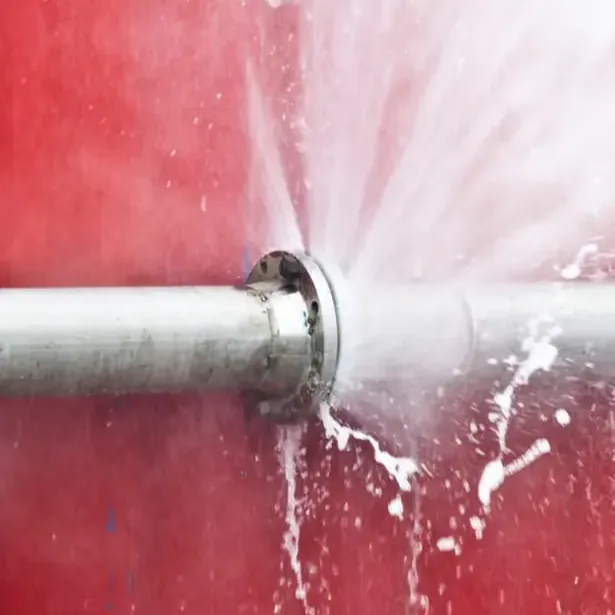 Burst Pipe Water DamageA split supply pipe floods fast, so the water is stopped, extracted and wet drywall opened.See the service
 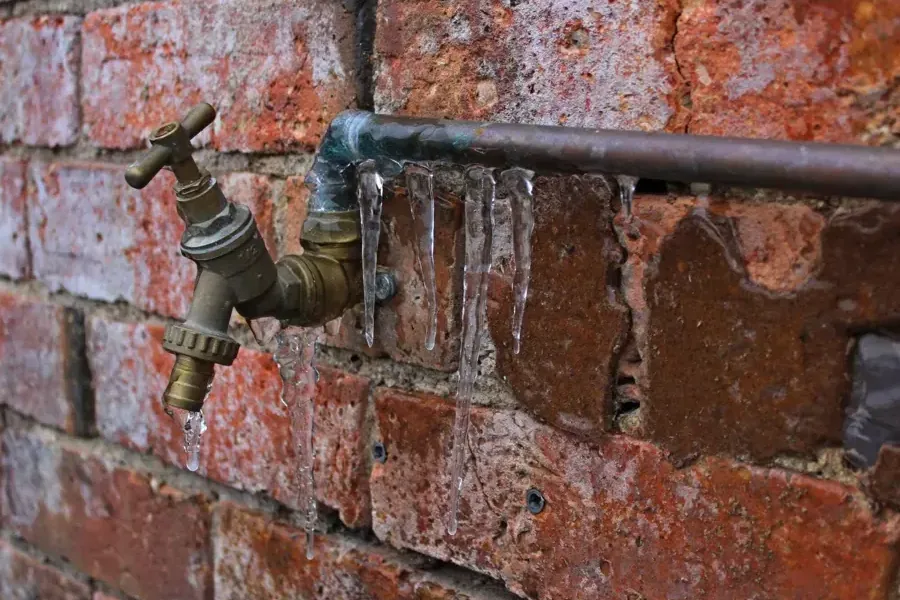 Frozen Pipe Water DamageThawing pipes can open cracks inside walls and attics, so wet insulation and ceilings get checked.See the service
 Runoff from the street and backflow from the sewer, both handled as contaminated.
Extraction, drying and commercial work that runs from the slab to the attic.
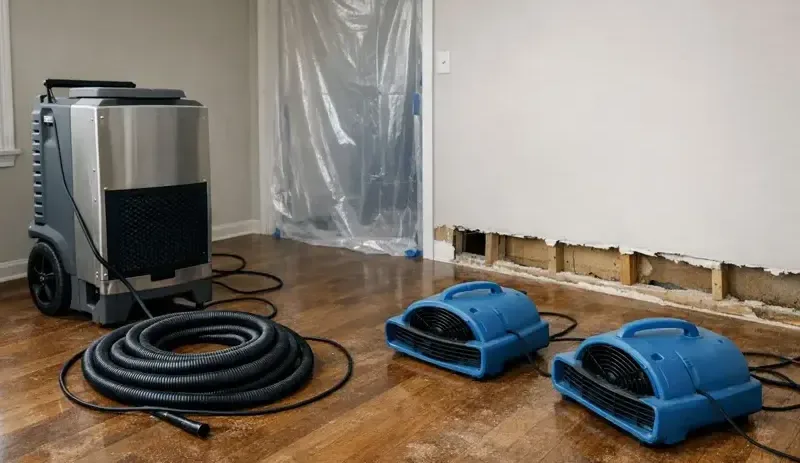 Emergency Water RemovalPumps and extractors clear standing water from floors and carpet before it climbs walls and reaches subfloor.See the service
 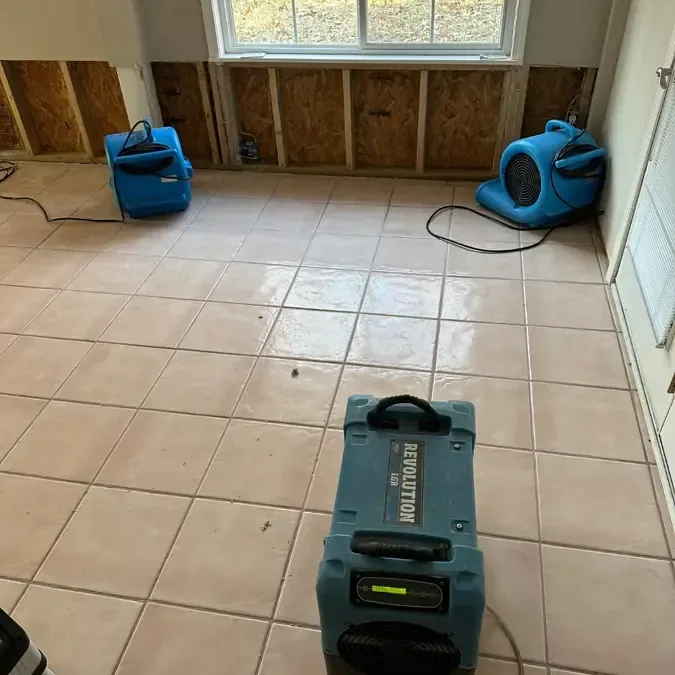 Structural DryingAir movers and dehumidifiers dry framing and subfloor until moisture readings match a dry reference.See the service
 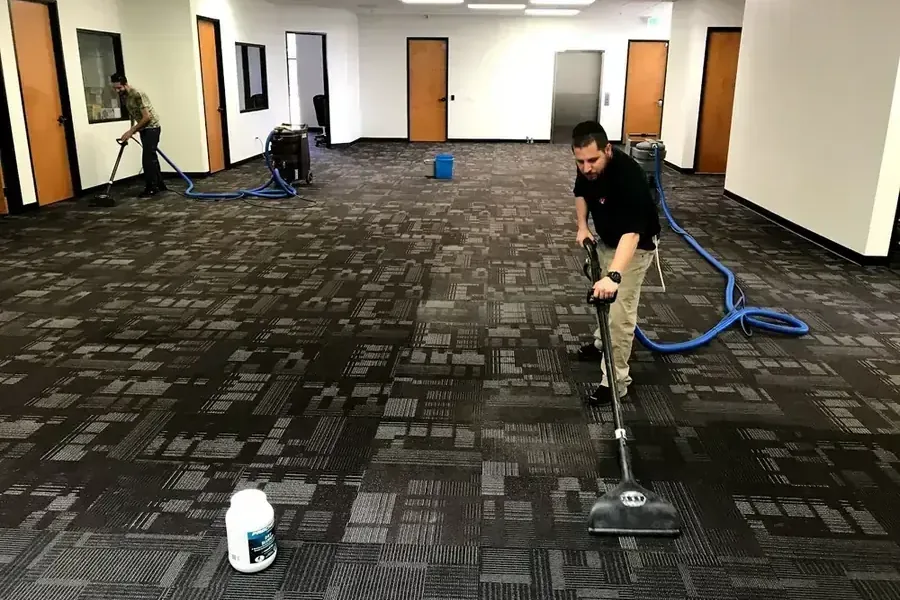 Commercial Water DamageShops, offices and restaurants get a documented dry-out that limits downtime and supports claims.See the service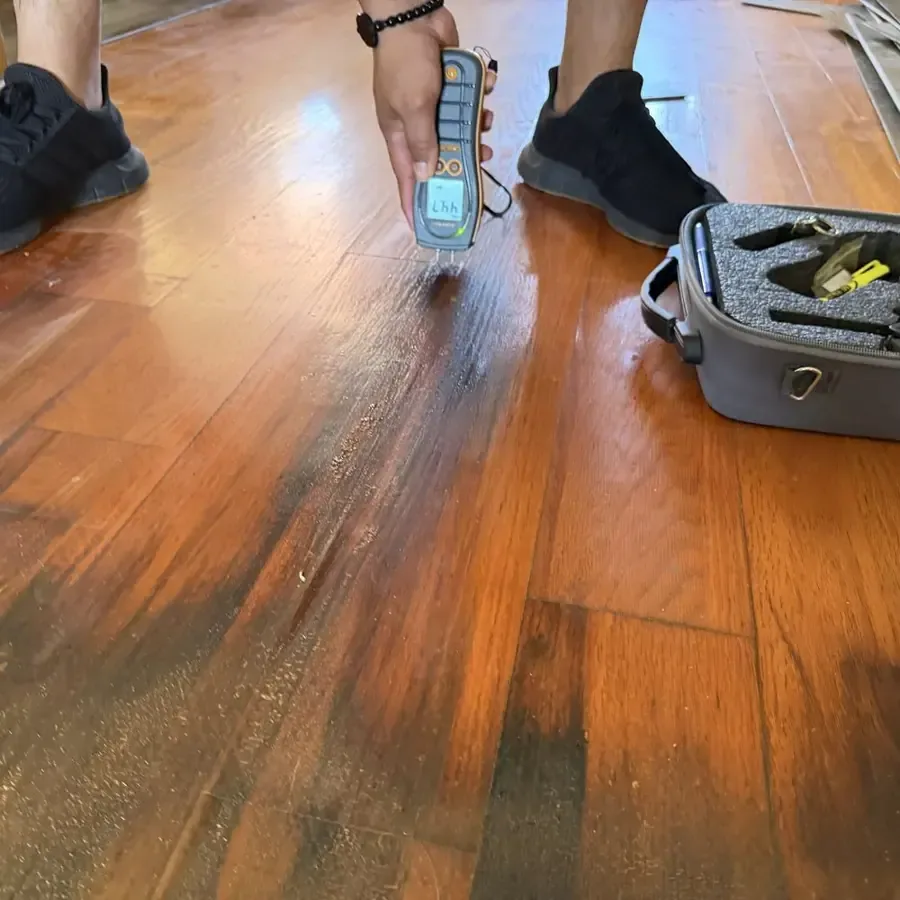
Crews cover neighborhoods along State Highway 5, State Highway 121 and US 75, so the dry-out starts early.
Extraction comes first, then air movers and dehumidifiers set to measured readings until the structure matches a dry reference.
Moisture logs, equipment records and dated photos let your adjuster follow what was wet and what was done.
Technicians know new-construction subdivisions, two-story layouts and older acreage properties, plus common North Texas water and storm problems.
Every dry-out follows IICRC S500 steps: assess the water category, remove the water, then dry until readings prove the materials are ready.
Moisture meters, a thermal camera and a quick category check show how far the water spread and how dirty it is.
Standing water is removed first, then baseboards or lower drywall are cut away where water is trapped.
Air movers and dehumidifiers run together so the room loses moisture without pushing it into other areas.
Daily readings continue until wood, drywall and subfloor reach dry targets, then the final records go to you.
Equipment counts depend on room size, water category and material, and each piece is logged with placement and run time so the dry-out record holds up when an adjuster checks it.
Most jobs fall between $1,000 and $18,000, depending on how many rooms are wet, how long the water sat and whether it was clean, gray or sewage. Early calls usually land in the lowest tier because less material is soaked. Moisture readings decide the final equipment count. Rooms, materials and drying days all move the final figure.
Figures are typical totals for a single-family home, not quotes. A written estimate follows the moisture inspection once the crew sees the real damage.
Water is graded by how contaminated it is, and the grade changes the safety gear, the materials kept and the cost.
Supply breaks and overflowing tubs start clean, yet the water picks up contamination as it sits in carpet, pad and framing.
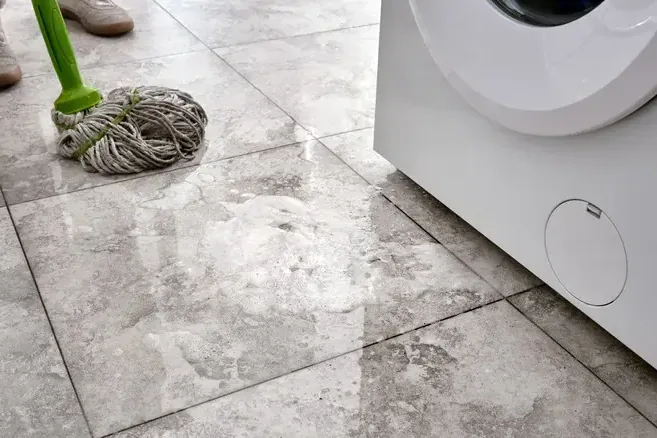
Washer discharge, dishwasher leaks and clogged condensate drains carry bacteria, so porous materials are checked and often removed.
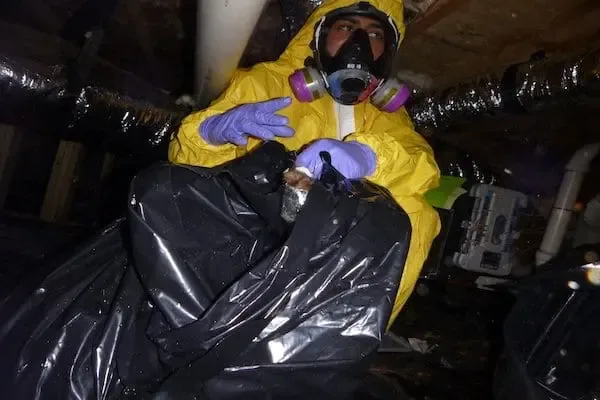
Sewage and storm flood water carry pathogens, so the area is contained, cleaned with protective gear and cleared before rebuilding.
Sewage backup cleanupInsurers pay on proof, so every loss gets dated photos, moisture readings and equipment logs that show the water and the work.
Coverage for sudden and accidental water, such as a burst pipe, is often treated differently from slow or long-running leaks, and exclusions vary by policy. Ask your own insurer which of these your policy treats as covered.
Wide and close shots of the damage, the source and affected belongings.
Readings by room on each visit show the drying progress.
Placement and run time for every air mover and dehumidifier.
A written list of work done, ready to send to your adjuster.
The city sends Everbridge alerts after National Weather Service severe thunderstorm, tornado and flash flood warnings, which is a fair reminder that storm water is a real risk in Collin County.
When water does reach a house, trained technicians pump it out, check which materials such as carpet pad and drywall are salvageable, and begin drying before swelling, odor and staining set in.
See storm flood cleanup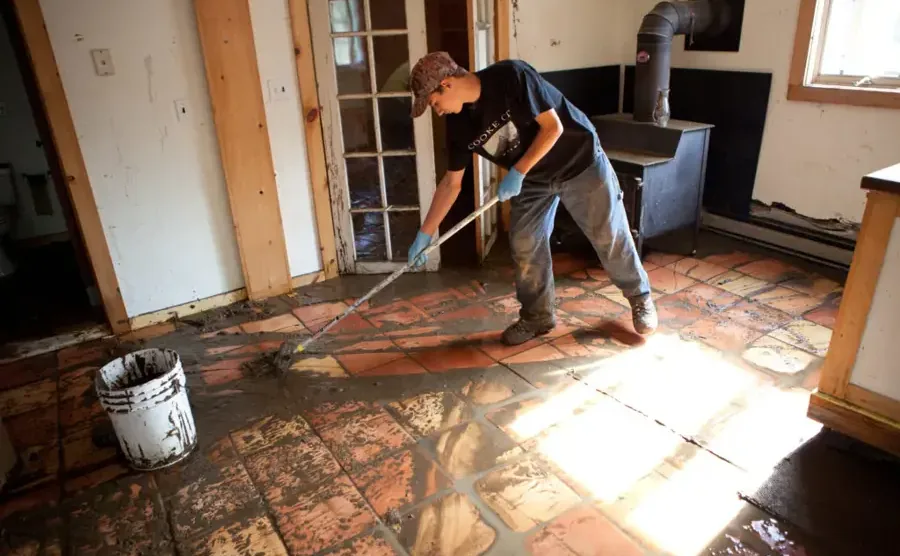
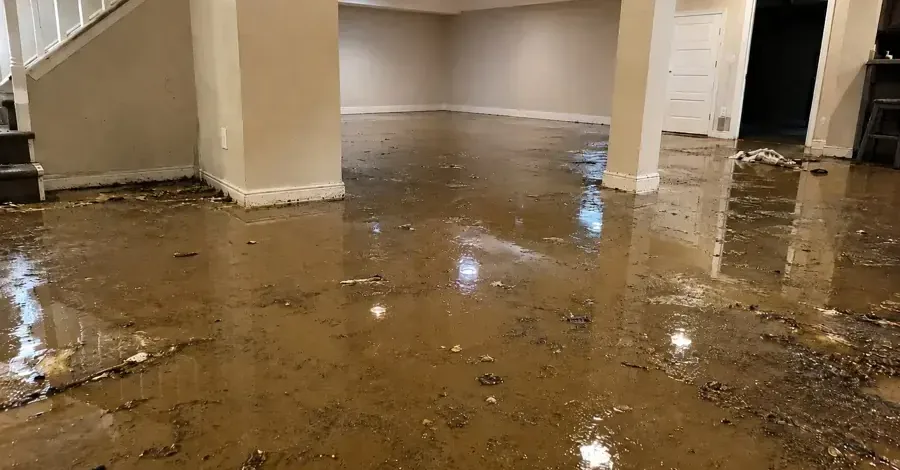
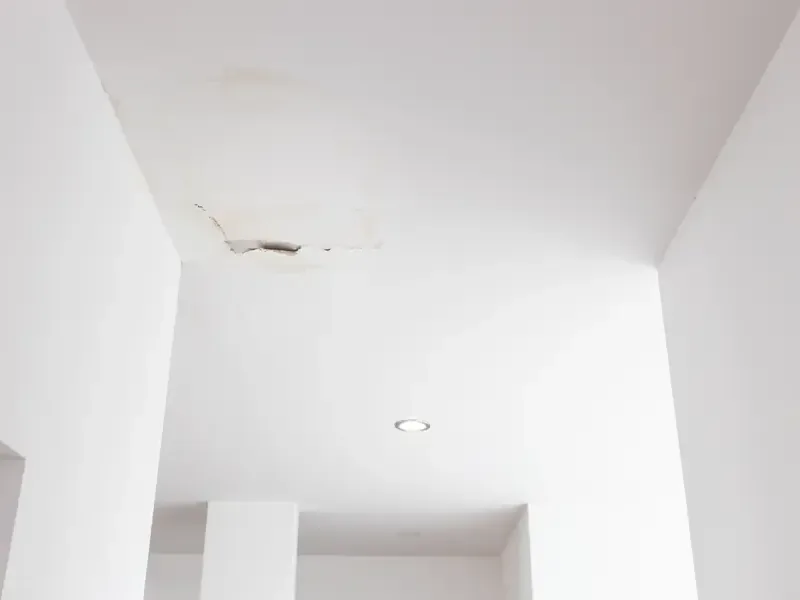
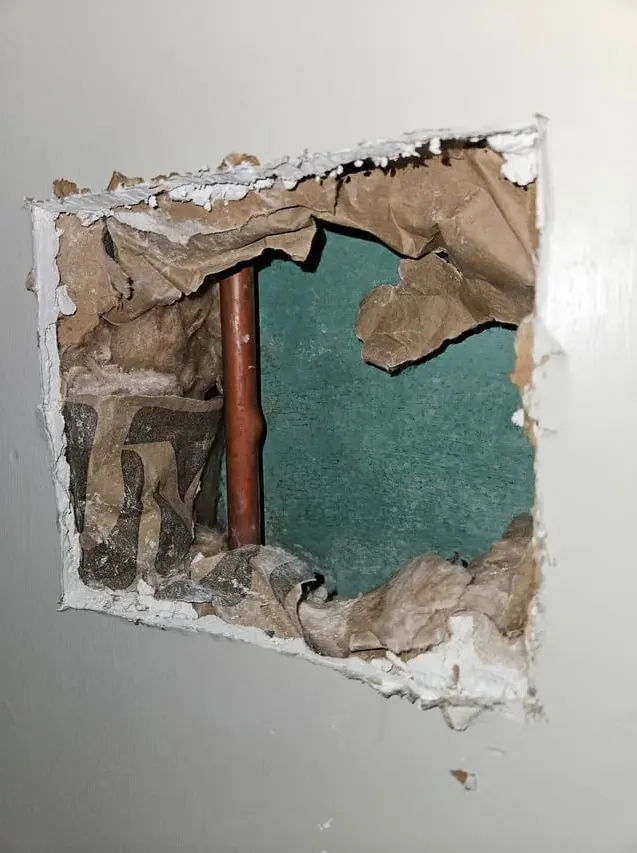
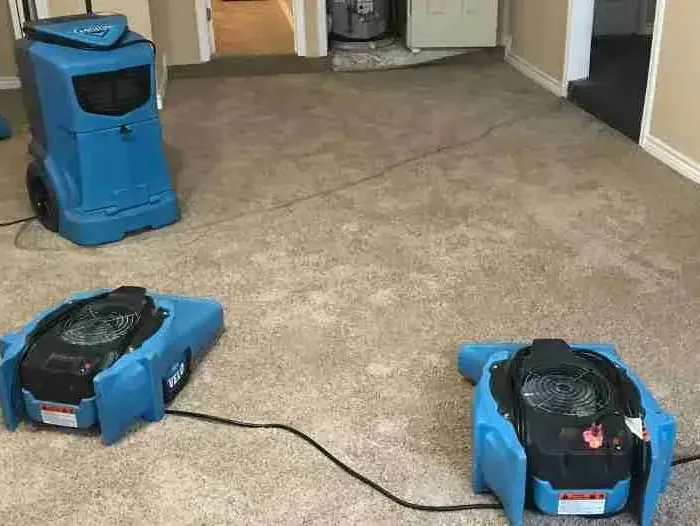
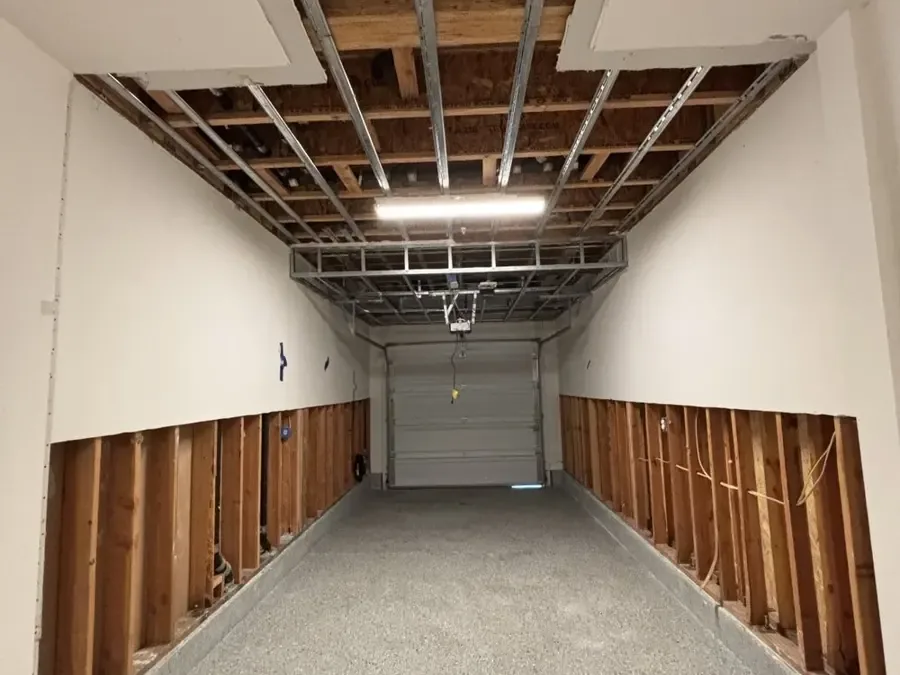
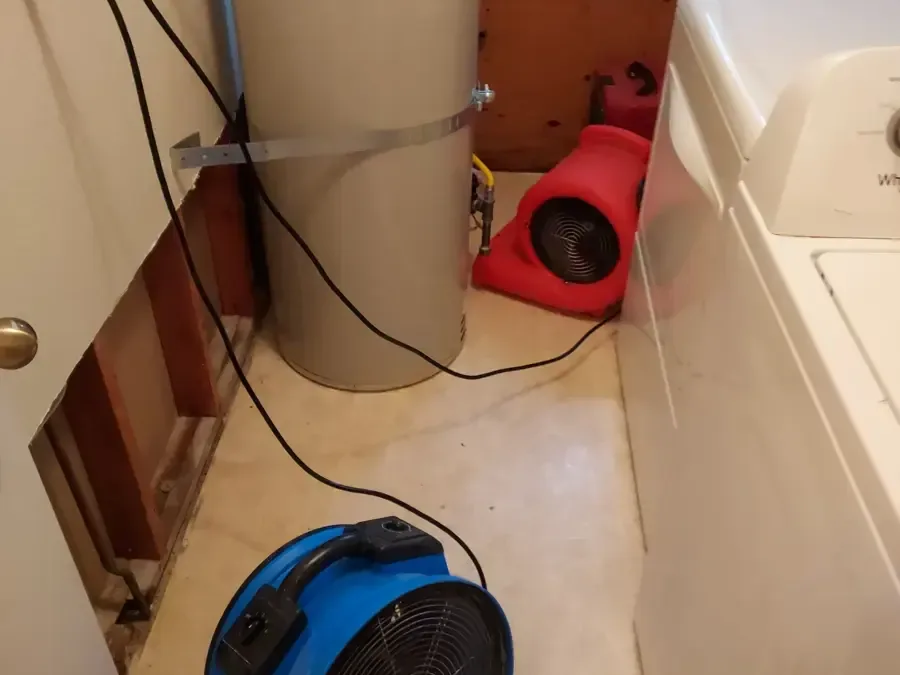
Call any hour and a local water pro talks through the situation, then crews are routed to the Collin County home that needs extraction or drying.
Melissa grew from 4,695 residents in 2010 to 13,901 in 2020, mostly through newer single-family subdivisions, so many homes are meeting their first serious leak or storm. Each risk below plays out differently house to house.
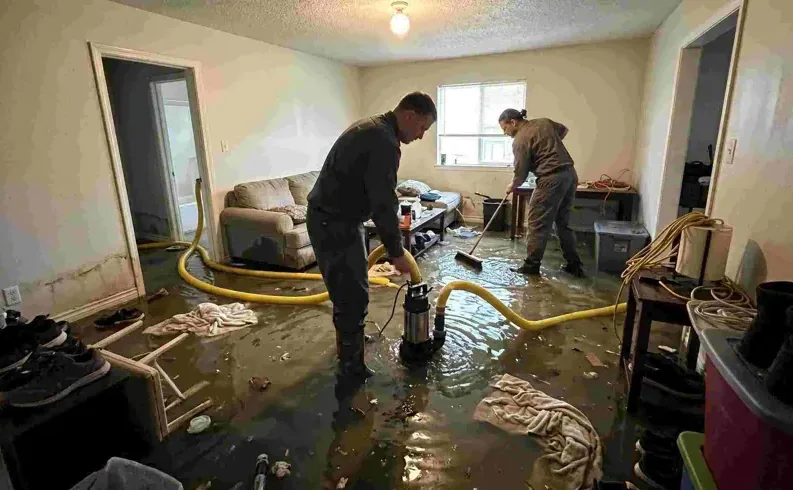
Water wicks into drywall, trim and subfloor quickly, and swelling and staining start soon after, which is why a prompt call limits how much material has to be removed and replaced.
Stop the source if it is safe, keep everyone away from wet electrical items, photograph the damage and call for extraction before the water settles into carpet, pad and wall bases.
Sudden events such as a burst pipe are often covered, while long-running leaks and gradual seepage are commonly excluded. Your policy language decides, so read it or ask your insurer directly.
Most structures need several days of equipment, though the time depends on the materials, the water category and how far the moisture traveled. Daily readings show when everything is truly dry.
Often yes. Clean water caught early can be dried in place with air movers and injected air, while contaminated or long-soaked drywall and insulation are cut out and replaced.
Black water calls for containment, protective gear and sealed disposal. The city says wipes, even ones sold as flushable, cause blockages, so keep them out of toilets and drains.
A plumber repairs the pipe, and the restoration crew removes the water and dries the structure. The city's water/wastewater division maintains valves, hydrants and meters, not pipes inside homes.
A running leak can, and the city's Utility Billing office has a Leak Adjustment Policy worth asking about. Sewer bills use Winter Quarter Averaging of December, January and February readings.
Yes. Shops and offices along US 75 and State Highway 5 get documented dry-outs planned around business hours to limit downtime and support the insurance claim.
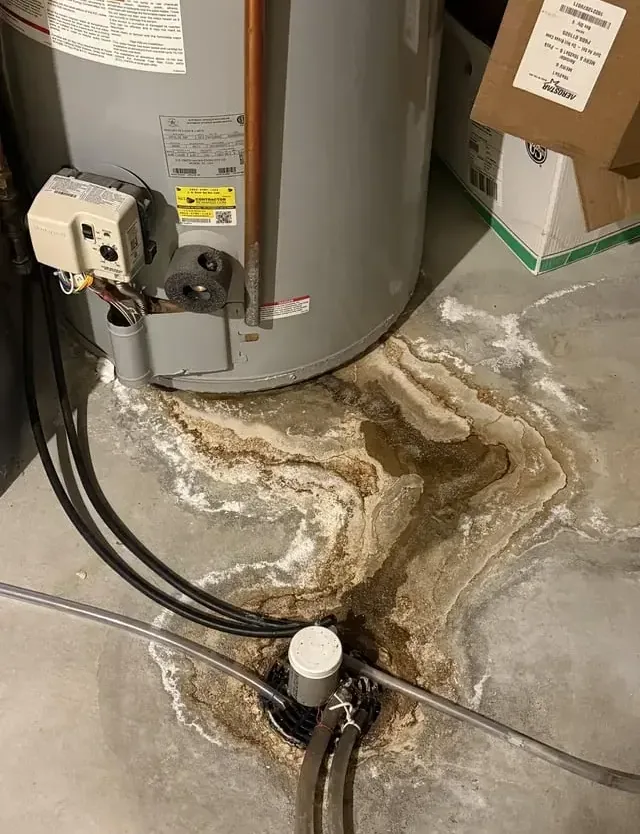
Water heaters, supply hoses, appliance leaks, condensate drains and roof leaks cause many losses, and each has its own page here with a process and price range.
Crews dry homes and businesses around Collin County, and one call starts extraction, moisture mapping and the paperwork your insurer needs.