$1,500 to $4,000
One or two rooms
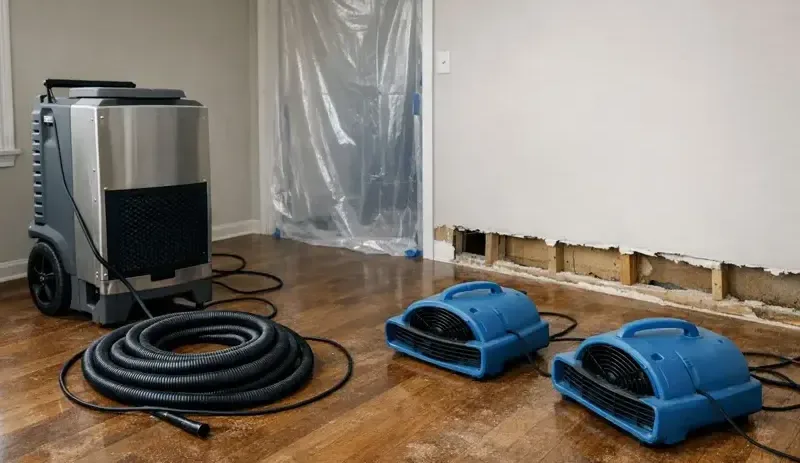
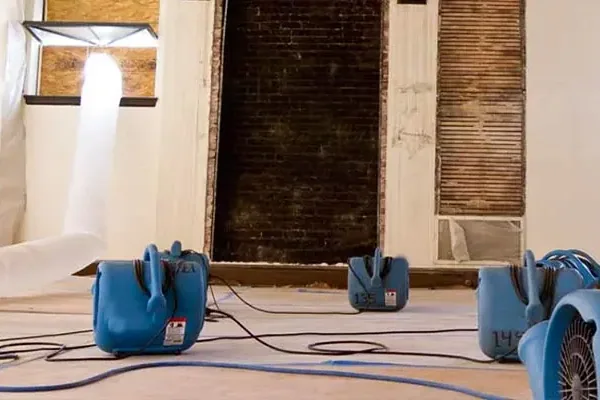
- Air movers on the wet area
- Dehumidifier
- Daily readings and logs
After extraction, wet framing and subfloor in newer builds still need measured drying before repairs. Crews place equipment, take readings in Melissa homes and stay until every reading says the structure is dry.
(888) 527-9134Dry the framing and subfloor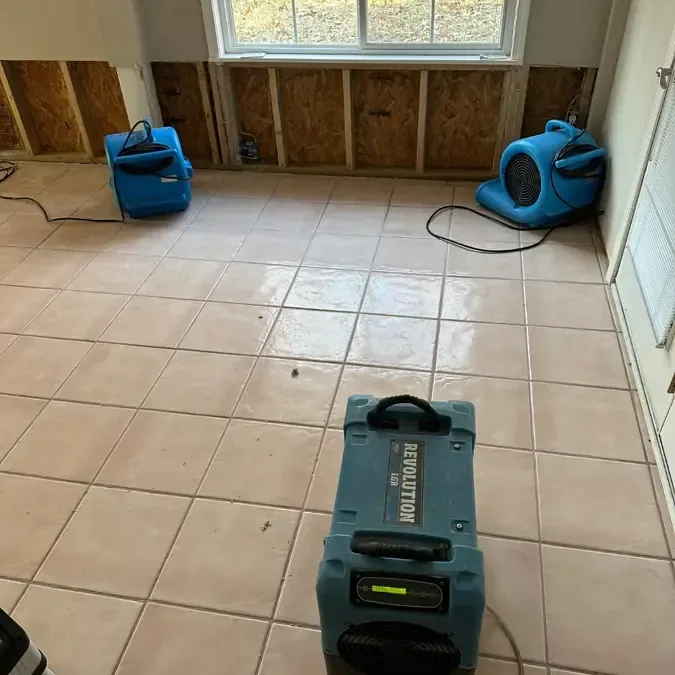
Readings set a dry reference and show where equipment should go. Photos are saved with the first readings.
Air movers and dehumidifiers are set for the room volume.
Meters track each material, and equipment is moved or added as needed.
Equipment leaves only when every reading reaches the dry standard. The log is finalized.
Wood is dried to the reference before repairs. Subfloor seams are checked closely.
Panels and boxes are dried in place or opened if stalled. Back panels are checked too.
Dense materials get specialized drying. Dense materials set the schedule.
Logs of readings and equipment run time are kept. Final logs go to the owner.
Structural drying in Melissa generally costs from $1,500 to $20,000. One or two rooms stay low, while several rooms with cabinets, or a Class 4 job in slab or hardwood that needs specialized equipment, climbs into the upper tiers. Equipment days and monitoring visits drive the totals. Moisture readings, not a fixed schedule, decide the final bill.
Ranges are typical, not a quote: the water category, the square footage, the material class and how fast drying started move the number most. For a planning figure on your own loss, try the water damage cost calculator.
Moisture is mapped and a dry reference is chosen from unaffected materials. Photos are saved with each reading.
Equipment is set for airflow and humidity control in each room. Doors and openings are managed to direct airflow.
Daily visits track progress, and equipment is moved when readings stall. Wet pockets are rechecked each time.
Equipment leaves at the dry standard, and the full log is delivered. Photos of the final readings close the file.
Extraction removes the water you can see, but moisture stays inside framing, subfloor, drywall and cabinets. Newer construction in Melissa subdivisions uses engineered materials that swell and delaminate if they stay wet, so measured drying matters before paint or flooring goes back. Wet framing that is closed up too soon can lead to warping, nail pops and odor, and those problems often appear after repairs are finished.
A technician reads moisture in several materials, chooses a dry reference from unaffected parts of the home and places air movers and dehumidifiers to match the room. Doors and wall openings are managed so humid air moves toward the dehumidifier instead of into dry rooms. Equipment placement changes as the room dries, because the wettest spot on day one is rarely the wettest on day three.
Equipment is adjusted each visit, wet pockets are rechecked and the dry standard is confirmed before anything is removed. If a reading stalls, the crew opens a wall or lifts a floor rather than guessing. Thick materials like plywood subfloor and solid wood trim dry slowly, so they set the pace for the whole job. Cabinets are checked at the back panel where water hides.
The log of readings, equipment placement and run time shows an insurer exactly what was dried and when. The same readings can help a contractor decide when flooring and paint can safely go back.
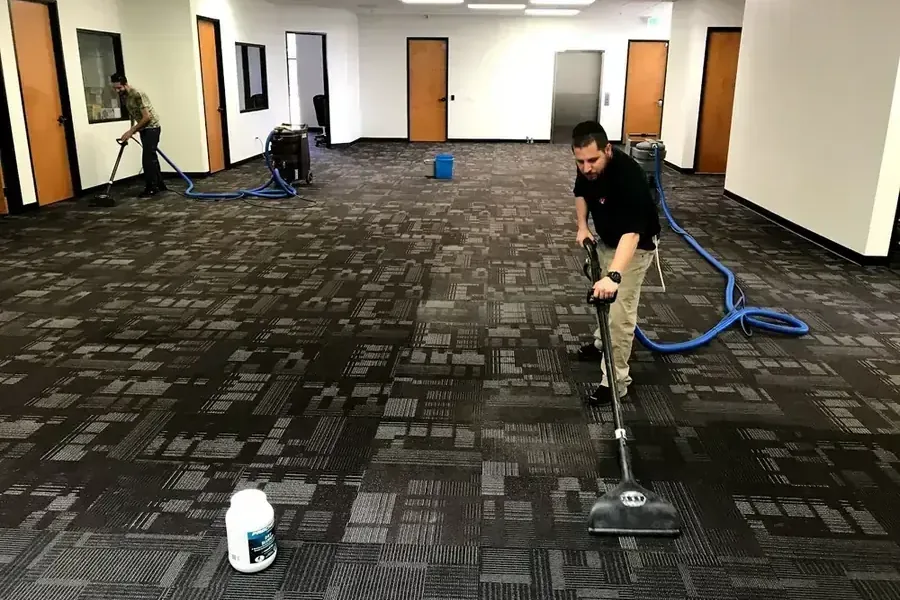
Structural drying covers Melissa homes in Legacy Ranch, Liberty, Berry Farms and The Quarry, plus commercial spaces near US 75 in ZIP 75454. Crews also serve older acreage properties on the edge of town.
The same service nearby: structural drying in Princeton, Anna, Fairview.
This town's water damage hub · every town coveredUsually several days, depending on materials and water. Thick materials can take longer.
They show progress and tell the crew when to move equipment. They also show insurers the work was needed.
Household fans do not control humidity. Dehumidifiers matter as much as airflow. Dehumidifiers are what actually remove moisture from the air.
A reference taken from unaffected materials in the same home. Using readings from the same house keeps it fair.
Only when readings stall behind them.
Totals run from $1,500 to $20,000 depending on size and materials. Thick floor systems cost more.
Moisture left in framing and subfloor causes swelling, odor and finish failures later. Drying removes it before new materials are installed over it.
Sometimes. Special mats pull moisture from hardwood without lifting every board, and readings show whether the boards will settle flat.
Call and a local crew maps the moisture, sets air movers and dehumidifiers, and stays until readings prove the structure is dry.