$1,000 to $3,500
One room, caught early
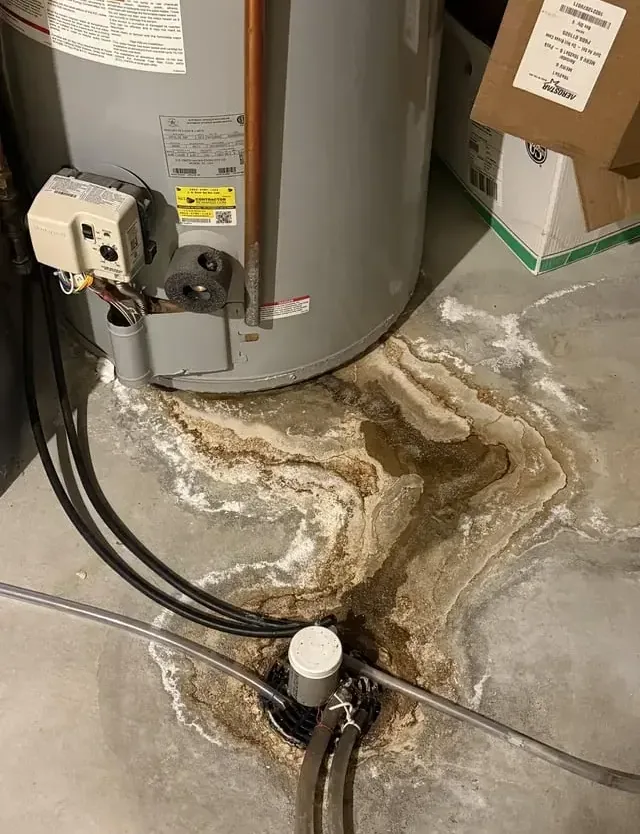
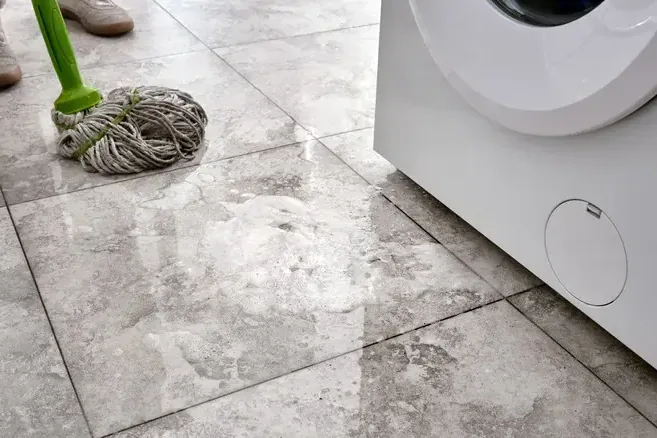
- Single wet room
- Clean water source
- Quick extraction
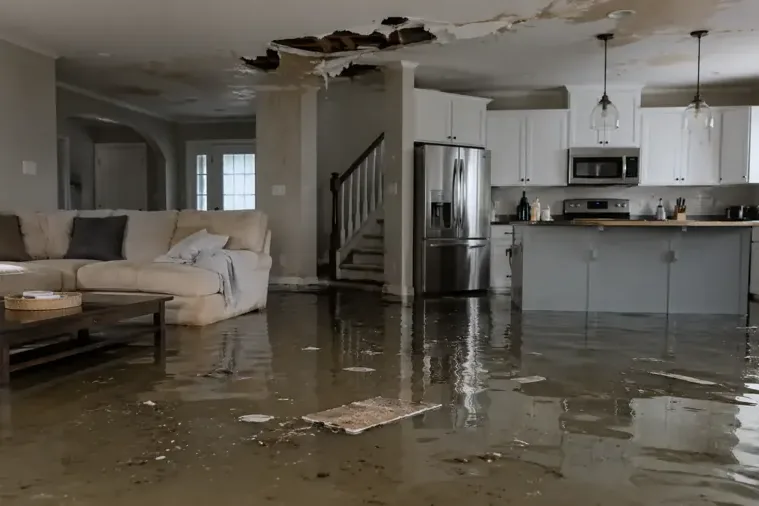
Single-family homes on large Collin County lots can take on a lot of water before anyone notices. Burst pipes, soaked ceilings, storm intrusion and septic backups all get extraction, drying and clear paperwork.
(888) 527-9134Talk to a drying pro now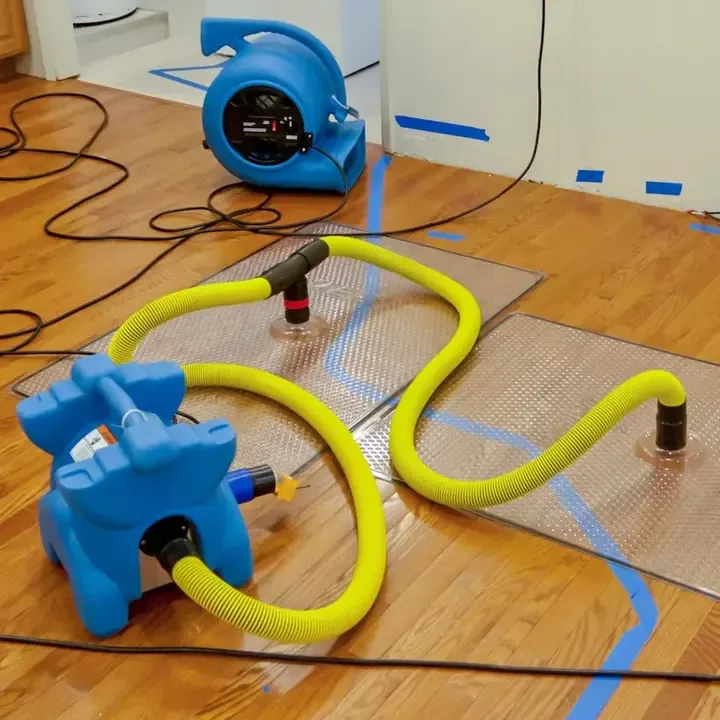
Shut the main valve or the appliance valve if you can reach it safely, then switch off power to wet areas before stepping in.
Keep family and pets out of standing water, lift small furnishings onto dry surfaces and set aside irreplaceable papers.
Take wide and close photos of wet rooms, damaged belongings and the source before anything gets moved or thrown away.
Towels and box fans leave moisture inside walls and subfloors, so a crew with meters and drying gear is the safer route.
Describe what happened, then ask what will be measured first and how the drying will be documented.
Every common kind of home water loss is covered, from a split supply pipe to a backed up septic tank, each with its own drying plan and clear documentation.
Condensate pans, roof flashing and upstairs baths send water down through the ceiling.
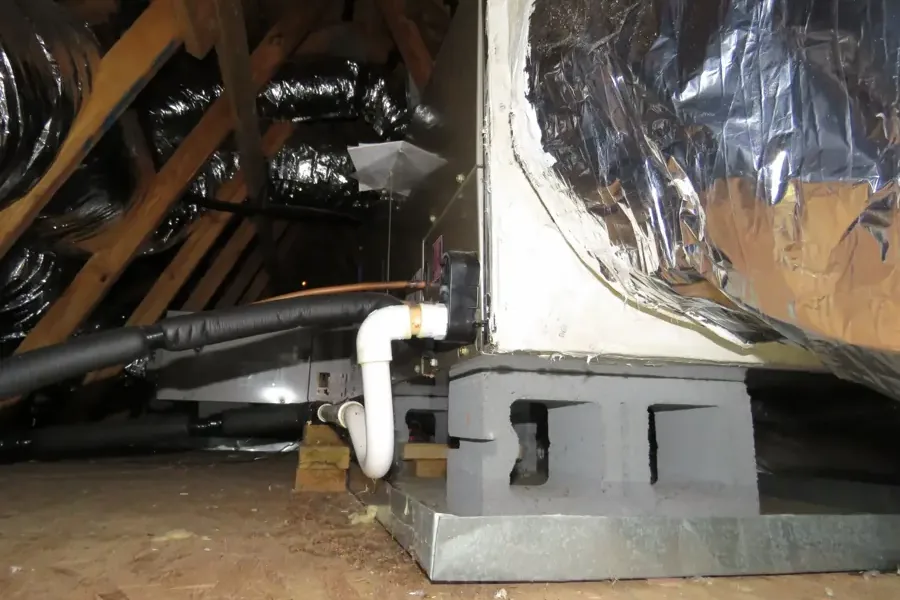 AC Condensate Leak Water DamageA clogged condensate drain can drip into ceilings and walls during cooling season.See the service
 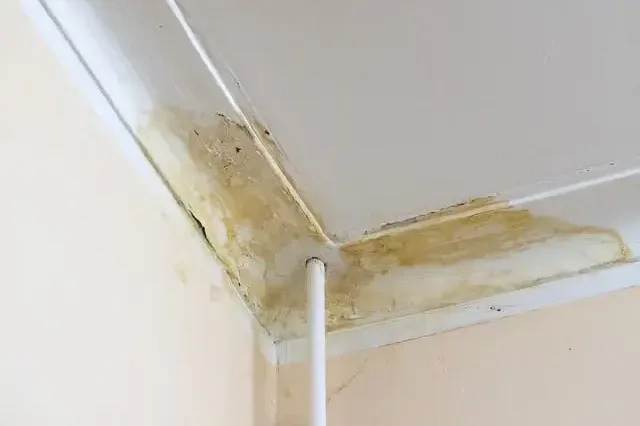 Roof Leak Water DamageRoof leaks soak attic insulation and ceilings, so each layer gets checked and dried.See the service
 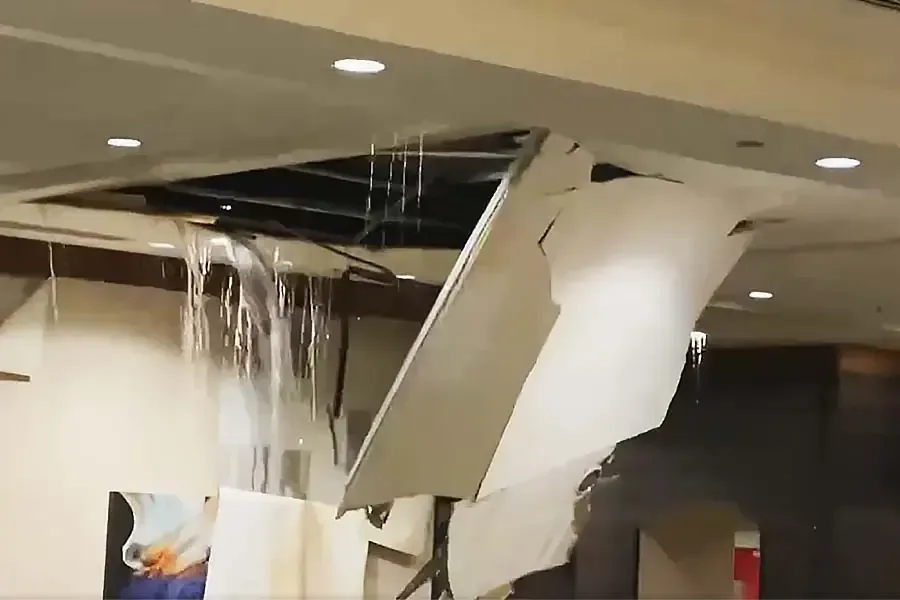 Ceiling Leak Water DamageStained or sagging ceilings and the walls below them are dried and checked.See the service
 Hoses, seals and storage tanks that let go in the rooms used every day.
Supply lines in walls, attics and under the concrete, where a leak hides longest.
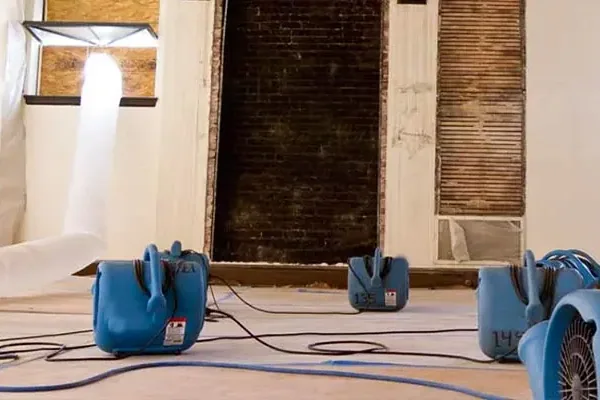 Slab Leak Water DamageLeaks under the slab get traced, then the soaked flooring and walls above are dried.See the service
 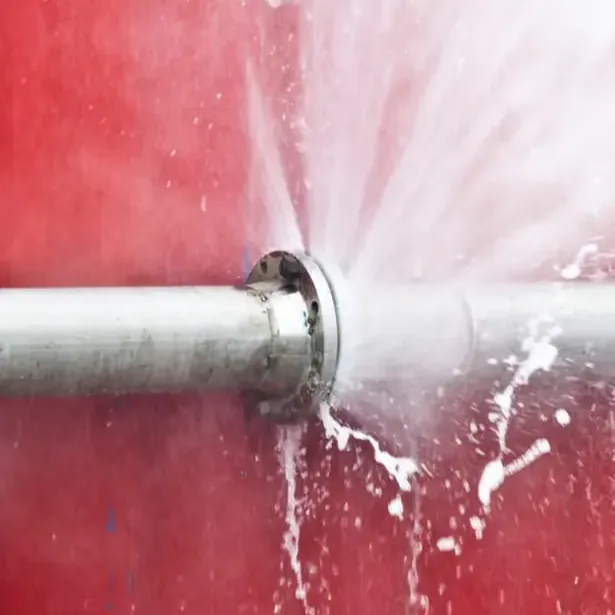 Burst Pipe Water DamageA split supply pipe can run unseen, so wet walls and floors get opened and dried.See the service
 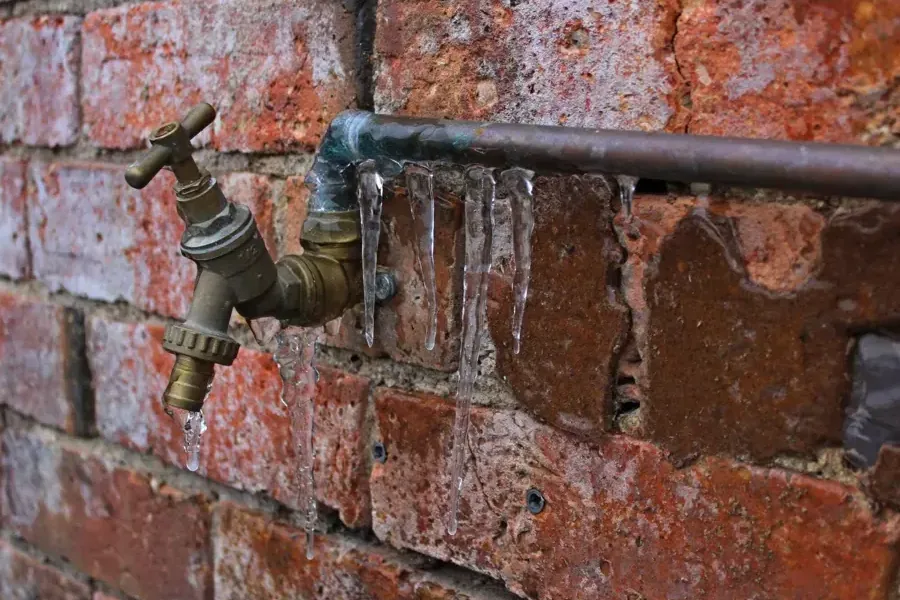 Frozen Pipe Water DamageWinter freezes can crack exposed pipes and irrigation fittings, leaving hidden water behind.See the service
 Runoff from the street and backflow from the sewer, both handled as contaminated.
Extraction, drying and commercial work that runs from the slab to the attic.
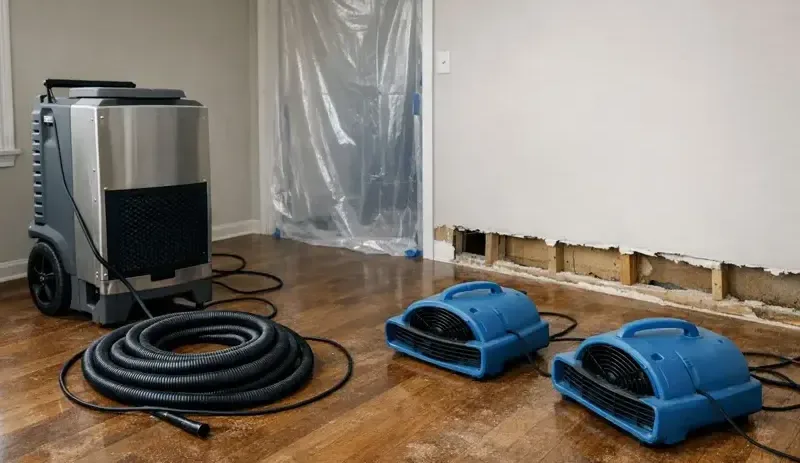 Emergency Water RemovalStanding water from a failed pipe or heavy storm gets extracted before it spreads further.See the service
 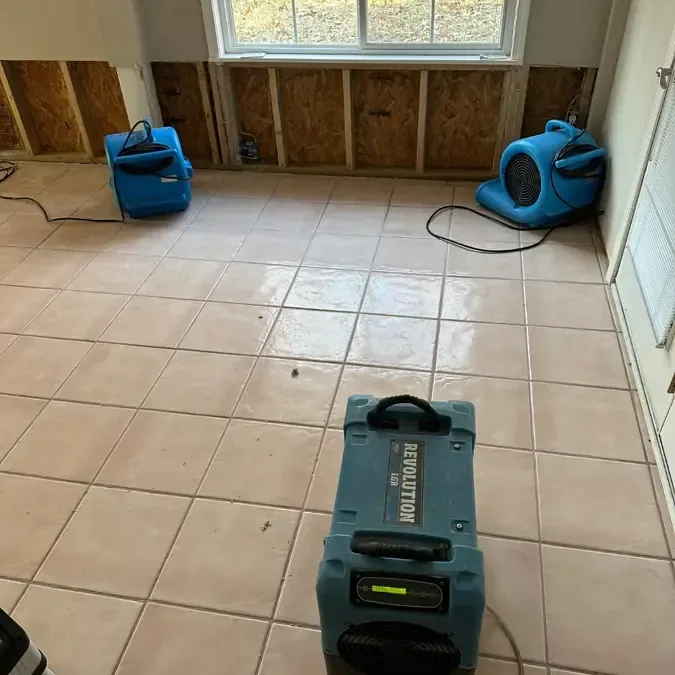 Structural DryingFraming, subfloor and walls are dried with monitored equipment until readings are normal.See the service
 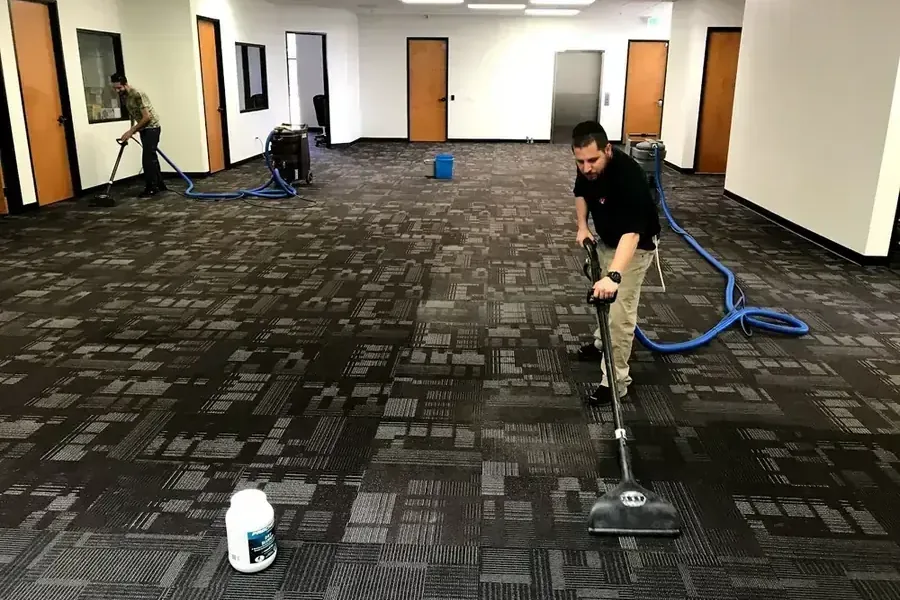 Commercial Water DamageBusinesses get moisture mapping and drying built around keeping the doors open.See the service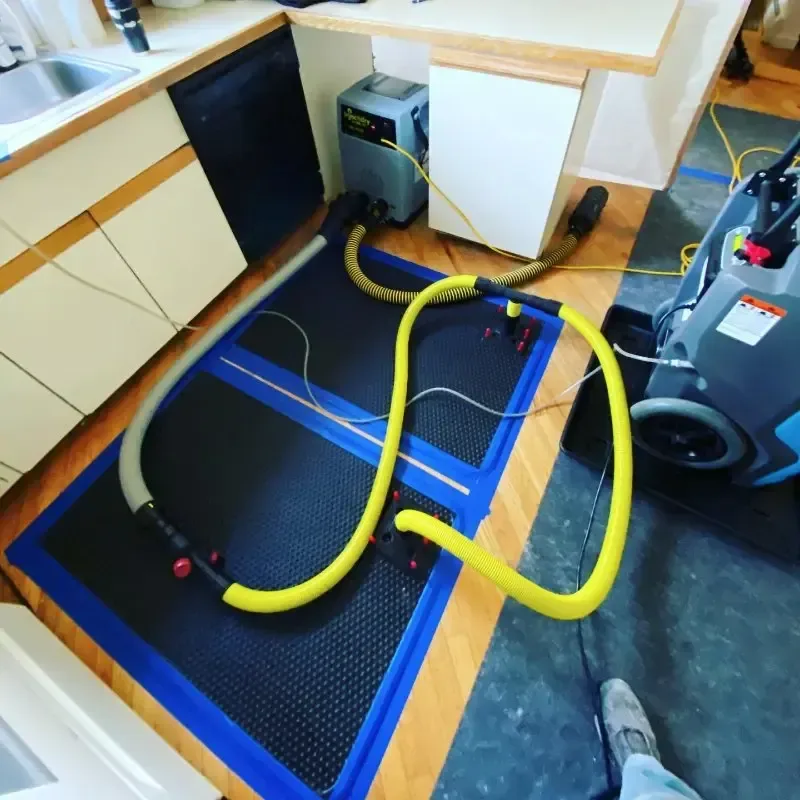
Water keeps moving into framing and flooring until it is removed, so every call starts with the quickest path to extraction.
Drying follows the S500 industry standard, with moisture readings logged until wet materials return to dry targets.
Photos, moisture logs and equipment records are kept for your insurer.
Technicians understand single-family homes, large lots and the septic systems most properties here rely on.
The IICRC S500 sets how water losses are classified, extracted, dried and verified from start to finish, which keeps every job measurable.
Moisture meters and thermal imaging map every wet area, then set the water category and the drying class for the job.
Pumps and wet vacuums remove everything that can be lifted, so drying equipment works on materials rather than puddles.
Air movers and dehumidifiers pull moisture from carpet, framing and cabinets while readings are logged each visit.
Final readings confirm dry materials, and the complete job record is ready to hand to your insurer.
Equipment is sized to the wet square footage and moved as readings change, so nothing runs longer than the materials need. Each setup is photographed so the insurer sees why the equipment was used.
Cost depends on how many rooms are wet, how long the water sat and whether it came from a clean supply pipe or a contaminated source. Small, early jobs sit in the first tier below, while long-running or contaminated losses move into the higher ones. A written scope follows the first set of moisture readings.
Ranges are planning estimates only, and the final price depends on the scope written after inspection and what your insurer approves.
Water is sorted by contamination level, and each category changes the safety steps and the drying plan.
Supply pipes and tank leaks start clean but worsen the longer they soak building materials.
Washer and dishwasher discharge carries contaminants and calls for protective handling and careful drying.
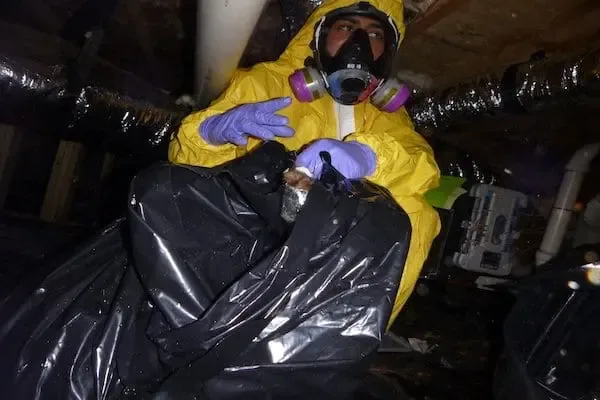
Septic overflows and storm intrusion carry pathogens, so porous materials are removed and the area is sanitized.
See sewage backup cleanupInsurers pay on evidence, so every job records the cause, the affected areas and the drying progress in writing from day one.
The crew documents the damage but does not decide coverage. Whether a loss is paid depends on the cause, the wording of the policy and the carrier, so confirm the details directly with your own insurer.
The source of the water is identified and photographed.
Daily meter logs show wet areas drying down over time.
Placement and run time of every machine is noted.
An itemized list of every task supports the estimate.
Lucas is mostly single-family housing on big lots, with horses, cattle and open land in the mix, so water often travels far inside a wall or subfloor before it shows on the surface.
Technicians work to IICRC standards and bring meters, thermal cameras and drying equipment to every job, then explain each step in plain language before any work begins.
See how the team works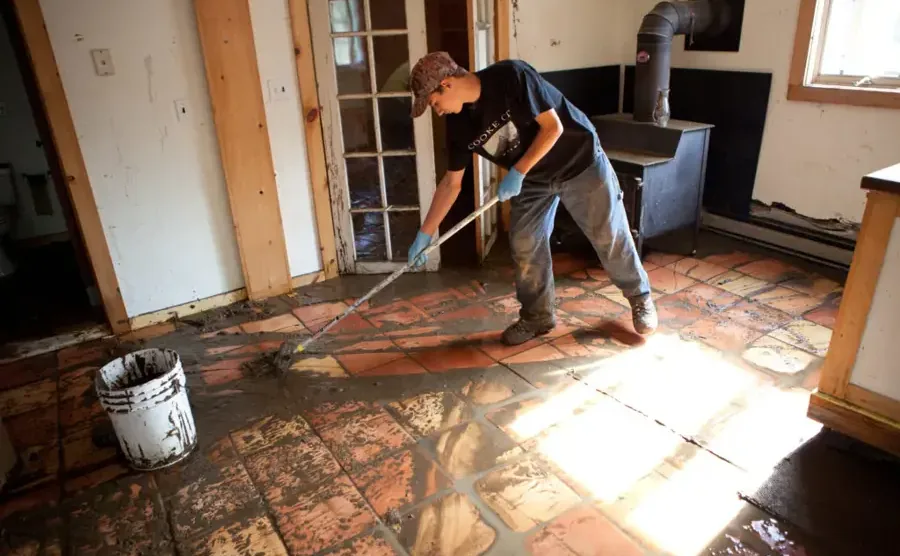
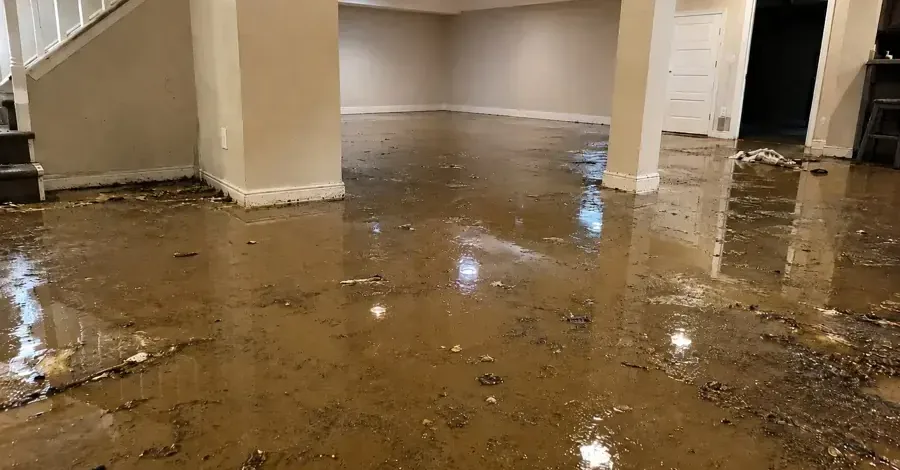
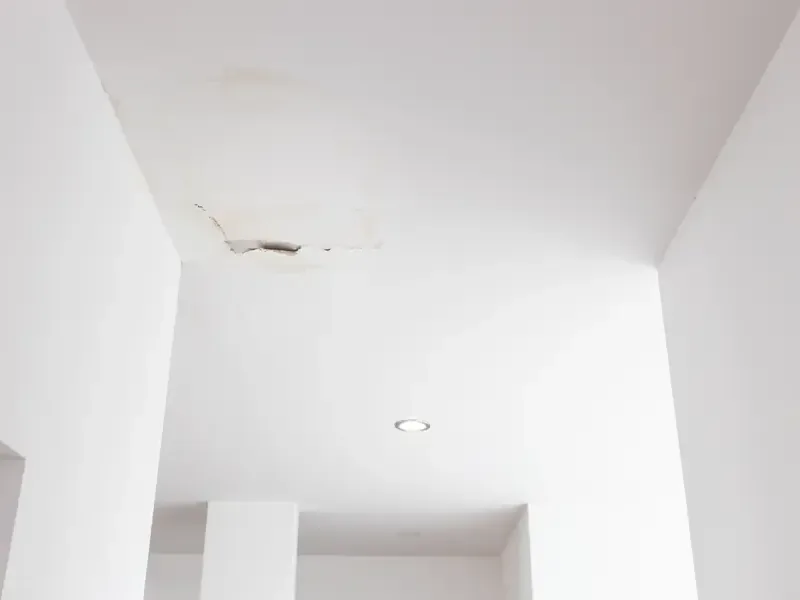
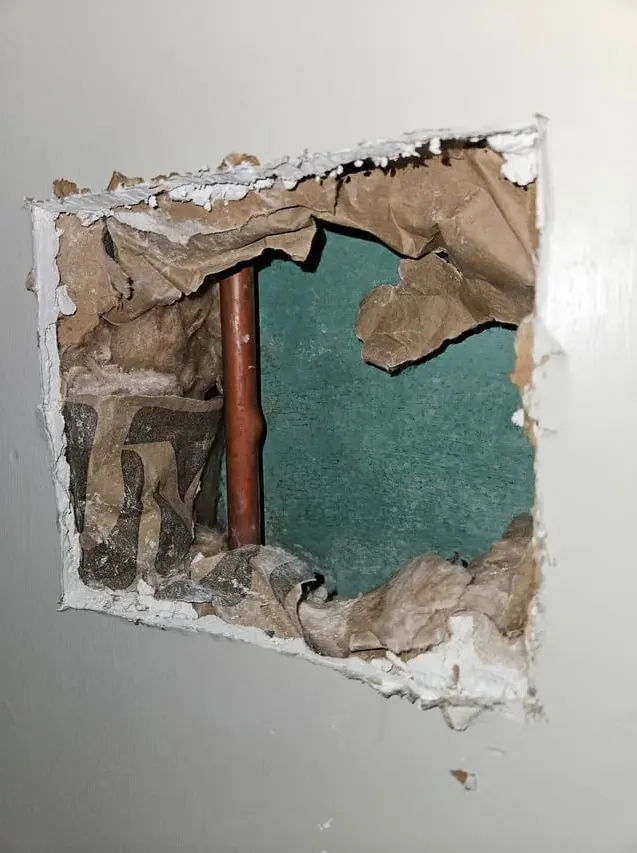
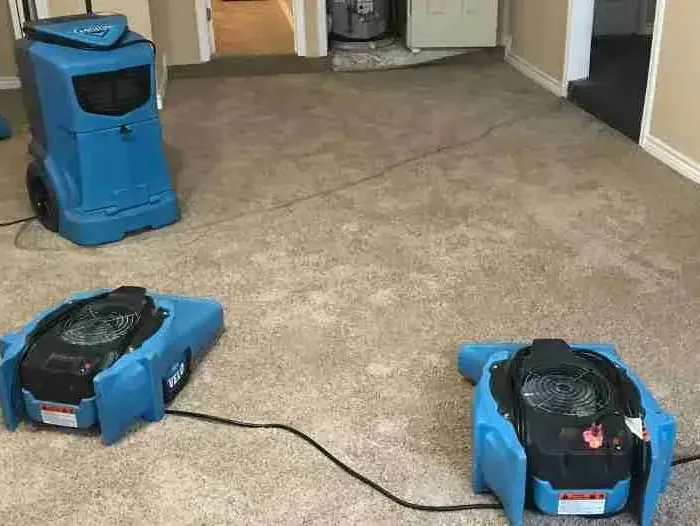
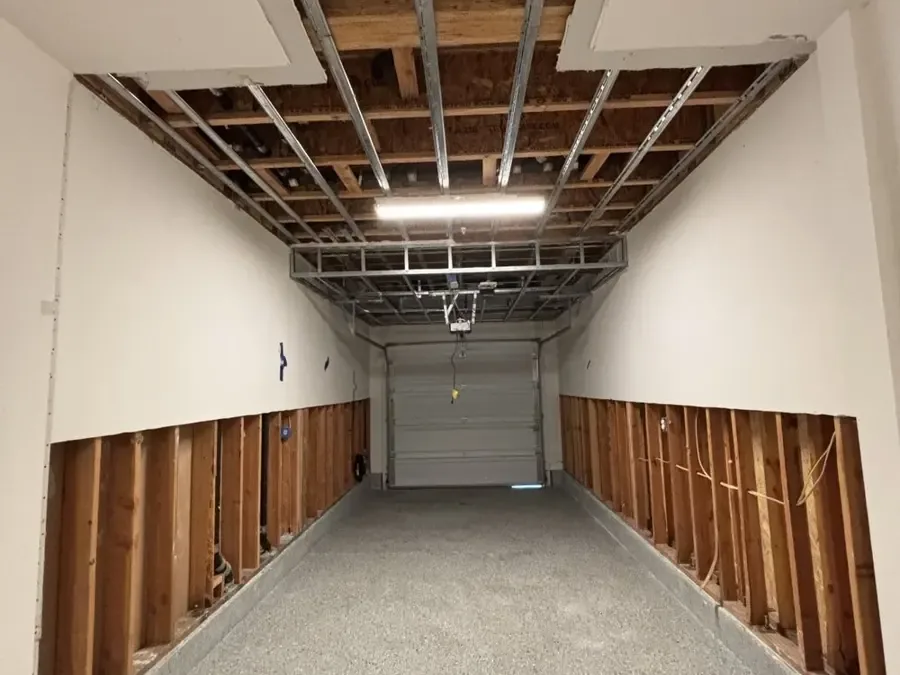
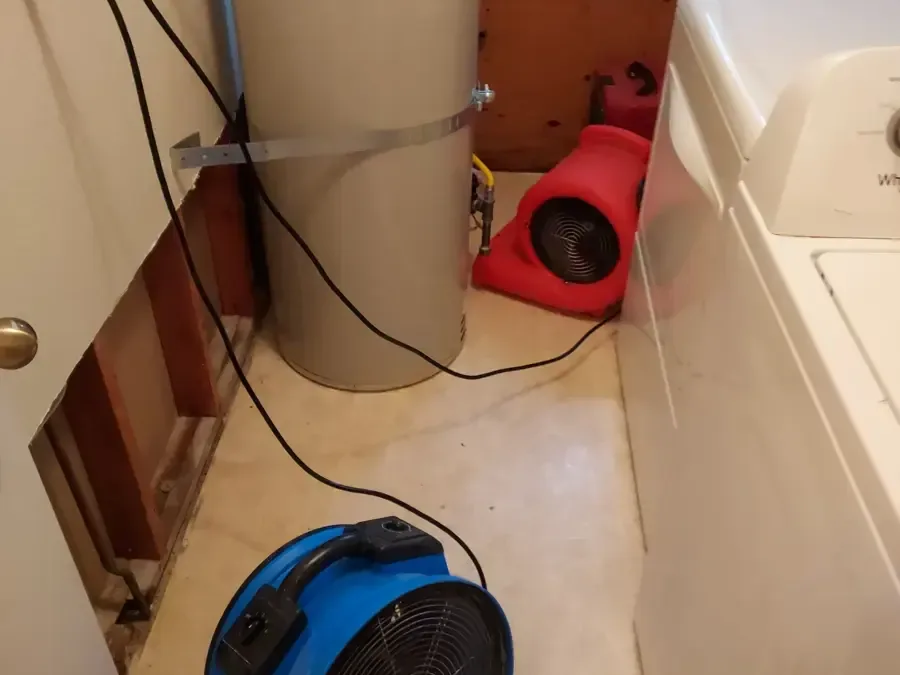
Whether a pipe split overnight or a storm pushed water into the garage, one call starts the assessment and sends the right crew. Any hour works.
Single-family homes on large lots, most homes on septic systems rather than public sewer and Lavon Lake on the eastern edge shape how water problems show up around town. These are the patterns most worth watching for.
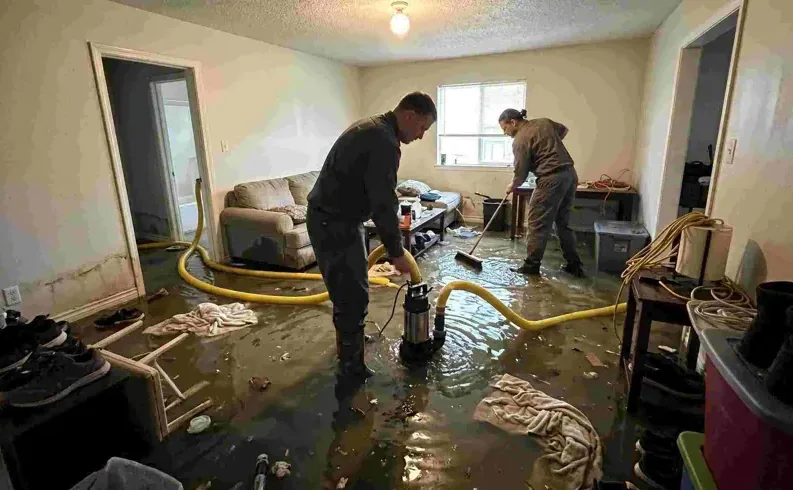
Drying should start as soon as the source is stopped. Wet drywall, insulation and subfloors keep absorbing moisture, and delays raise the odds of lasting damage and mold.
Yes. A septic backup carries contaminated water into the home, so porous materials are removed, hard surfaces are sanitized and the area is dried and checked before rebuilding.
Shut off the main water valve, switch off power to wet areas if it is safe, photograph the damage and call a restoration crew before moving belongings.
Crews document the loss with photos, moisture logs and equipment records so the claim has solid support. Your own insurer decides what the policy covers.
Often yes, when the water is clean and drying begins promptly. Contaminated water, long soaking or swollen materials usually mean removal instead of drying.
Rain that gets past damaged roofing soaks insulation and drywall from above. The stain often appears away from the actual leak, so the attic needs checking.
Moisture meters and thermal cameras take readings of framing, subfloors and walls. Drying ends only when those readings match dry reference levels, not when surfaces simply feel dry.
Frozen pipes crack and then release water as they thaw, sometimes inside walls or attics. The thaw is when extraction and drying need to begin.
Yes. The small commercial area on the west side and any home business can get moisture mapping and drying planned around keeping operations running.
Price depends on the size of the wet area, the water category and drying time. The tiers above show typical ranges, and a written scope follows the inspection of the wet areas and the readings taken there.
A quick call limits the spread, shortens the dry-out and keeps repair bills smaller. Describe the problem and the next steps follow.