$2,000 to $6,000
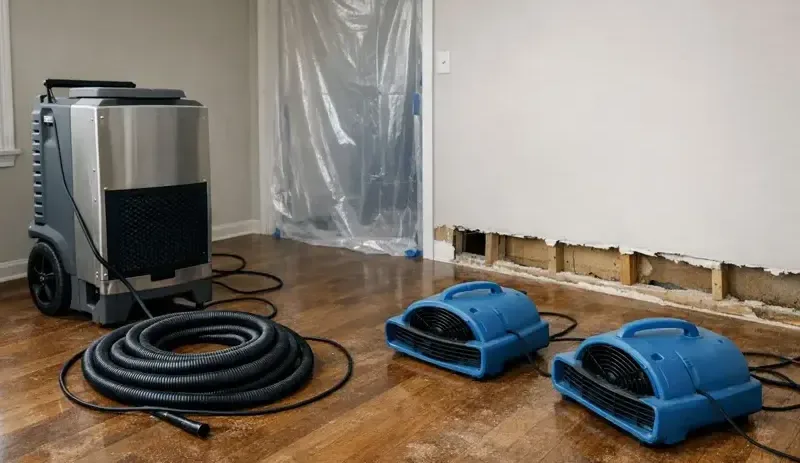
Bathroom or small area
- Contained area
- Fixture overflow
- Sanitizing
Most homes here are not on a public sewer, so a backup usually comes from a septic system. Crews contain the contaminated water, remove what it touched and sanitize and dry the area.
(888) 527-9134Call about the septic backup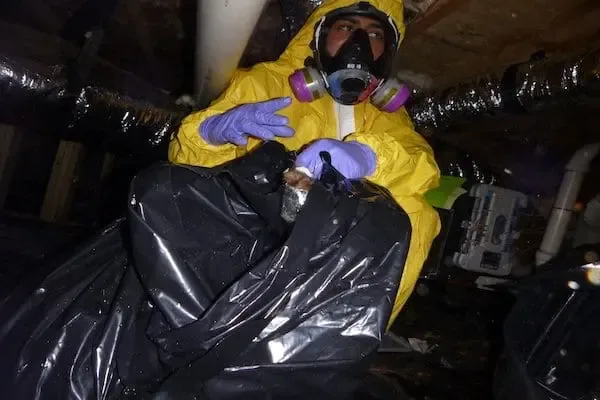
Keep people and pets away from the contaminated area and call for help. Do not use any fixtures that drain to the tank.
The area is sealed off and the contaminated water is pumped or vacuumed out completely.
Porous materials are removed, and surfaces are cleaned and sanitized.
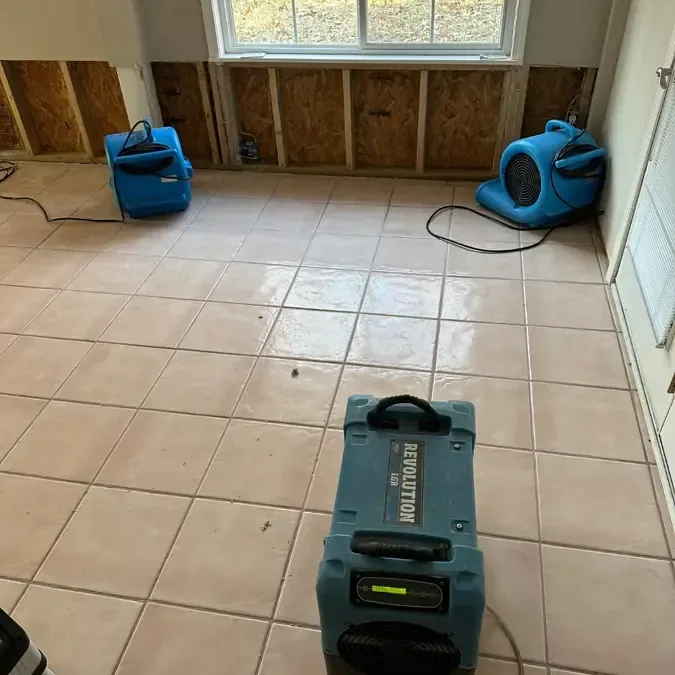
Equipment dries the structure and final readings are recorded.
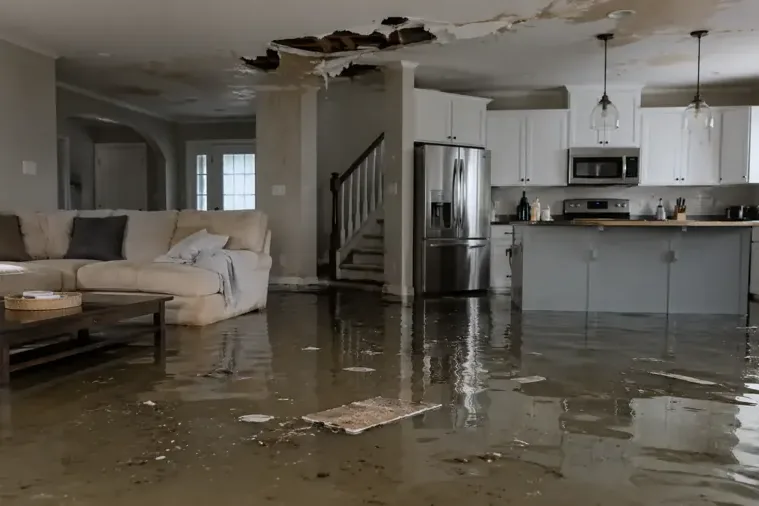
Water from a full or failing tank enters through drains and fixtures in the house.
A blockage can push contaminated water back up into tubs and floors.
Contaminated overflow soaks bathroom floors and nearby walls and baseboards.
Carpet and pad are discarded, and hard floors are cleaned and sanitized before rebuilding.
Sewage cleanup costs more than clean water jobs because of contamination, protective handling and the materials that must be discarded. The tier depends on how far the water spread and how many porous surfaces it touched. A written scope follows the first inspection. Fast containment keeps the contaminated area small, which keeps the job in a lower tier.
Ranges are typical, not a quote: the water category, the square footage, the material class and how fast drying started move the number most. For a planning figure on your own loss, try the water damage cost calculator.
Crews set up barriers and protective gear, so contamination does not move through the house, and the family is kept out.
Contaminated water is pumped out for proper disposal, and porous materials are bagged and discarded.
Surfaces are scrubbed and treated with antimicrobial products before drying equipment is placed, and odors are neutralized.
Dehumidifiers and air movers dry the area, and final readings confirm the structure is ready for rebuilding.
Sewage in a home is a health problem as well as a water problem. Most Lucas homes use septic systems approved through Collin County, so a backup is treated as a contamination job. The water carries bacteria, which means porous materials are removed and the area is sanitized before drying begins. Anything the water reached should be treated as contaminated until proven otherwise.
Crews wear protective gear, contain the area and remove the water with extraction equipment. Carpet, pad, drywall and other porous materials that touched sewage are bagged out. Hard surfaces are cleaned and treated, and air movers and dehumidifiers dry the structure afterward. Odor control is part of the job, not an afterthought. Cleaning continues until nothing questionable remains.
Most Lucas homes are not on a public sewer system, and the city's inspection process requires septic tank approval from Collin County before a certificate of occupancy. That makes backups a common reason to call. A tank that is full, a blocked drain or a failed pump can all send water into the house.
A septic company or plumber handles the system itself, and restoration handles the house. For clean water jobs, see burst pipe water damage. A septic company or plumber also needs to clear the cause so the backup does not return.
Sewage backup cleanup covers Lucas homes on septic systems across the city, including Forest Creek Estates, Glenbrook Estates and The Estates at Austin Trail. ZIP 75002 homes on septic are all included.
The same service nearby: sewage backup cleanup in Princeton, Fairview, Wylie.
This town's water damage hub · every town coveredYes. The water carries bacteria, so people and pets should stay out until trained crews have cleaned and sanitized the area.
It is not recommended. Protective gear and proper disposal are needed, and porous materials cannot be cleaned reliably.
Carpet and pad that touched sewage are normally discarded, because they cannot be made safe.
Septic companies repair the system. The house cleanup, sanitizing and drying are handled by restoration.
Slow drains, gurgling fixtures and sewage odors can all point to a failing tank or blocked drain. A septic pro can confirm.
Photos, a written scope and the cleanup record help, but your own insurer decides what is covered.
Contaminated water needs protective handling. Call, describe what backed up and get containment and cleanup started. Everyone stays out until it is done.