$800 to $2,500
One room, caught early
- Single wet room
- Clean water source
- Quick pump out
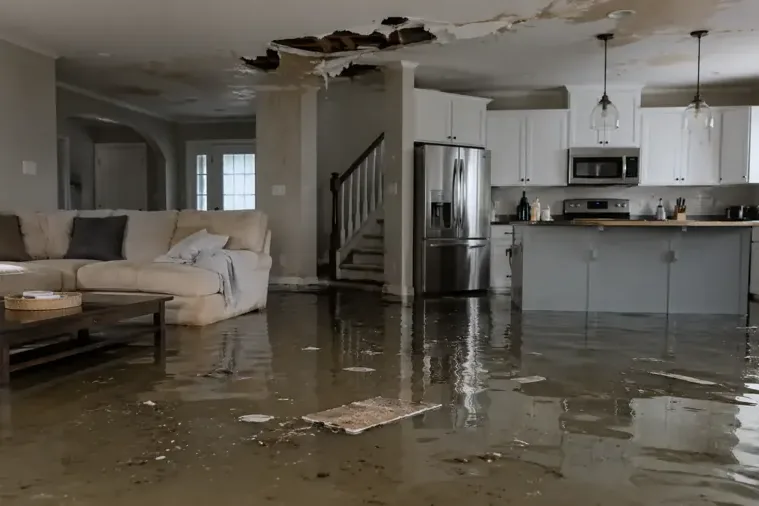
Standing water from a failed pipe or heavy storm soaks into carpet, baseboards and subfloors fast. Crews bring pumps and extraction gear to single-family homes, then set up drying so the water does not spread further.
(888) 527-9134Call now and stop the spread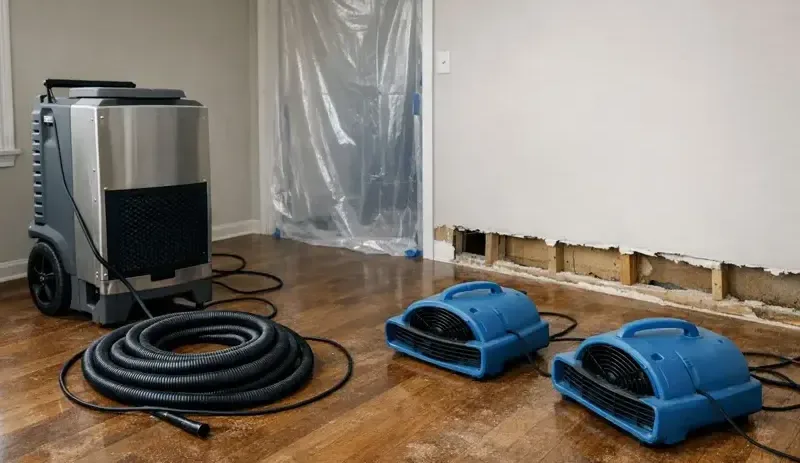
The source is shut off if it is still running, then depth, spread and contamination level are checked before equipment goes in.
Pumps and wet vacuums remove standing water, and carpet extractors lift moisture out of the pad and rugs.
Saturated pad, soaked baseboards and swollen trim are cut out and bagged for disposal.
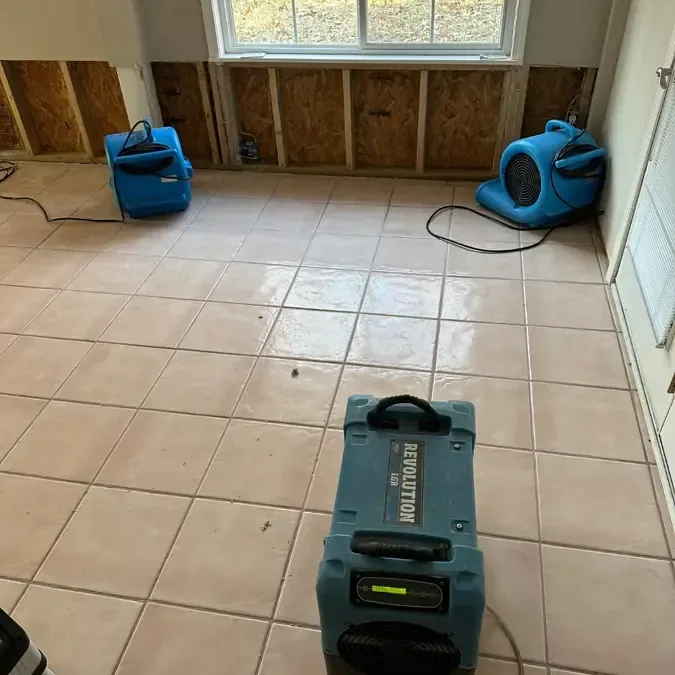
Air movers and dehumidifiers go in, and readings are logged until the structure is dry.
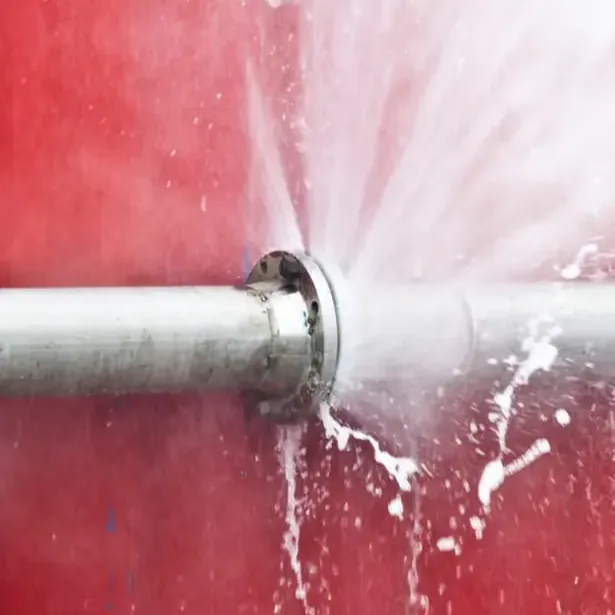
Supply pipe failures flood rooms quickly, so extraction targets the lowest and largest wet areas first.
Rain that enters through doors, garage openings or low windows is pumped out and the floors are dried.
Toilet, tub and sink overflows are extracted and the flooring below is checked for hidden moisture.
Water that picked up sewage or runoff gets protective handling, removal of porous materials and sanitizing.
Emergency removal usually costs far less than the repairs that follow when water is left sitting for a day. Price climbs with depth, the number of rooms and whether the water is clean or contaminated, and a written scope follows the first inspection of the home. Calling early is the best way to stay in the first tier.
Ranges are typical, not a quote: the water category, the square footage, the material class and how fast drying started move the number most. For a planning figure on your own loss, try the water damage cost calculator.
The caller describes the water source and depth, and the crew plans the right pumps and protective gear.
Standing water is pumped out and carpet pad is lifted, while trim and drywall that cannot recover are cut away, and the floor is left ready for equipment.
Air movers are aimed at wet surfaces and dehumidifiers pull moisture from the air, so framing and subfloors dry evenly.
Final readings confirm dry materials, and a record of photos and logs is prepared for the claim.
Water that sits on a floor does not stay put. It wicks up drywall, soaks into the pad and slips under baseboards, so the first priority in a Lucas home is getting the volume out before anything else is attempted. Pumps handle the deep water, while wet vacuums and extractors finish what pumps cannot reach.
Extraction starts with the deepest water and works toward the edges. Submersible pumps move large volumes, while wet vacuums and carpet extractors lift what remains in pad, rugs and low spots. Once the free water is gone, moisture readings show how far it traveled into walls and subfloors, which decides what gets opened up for drying.
Many properties here sit on big lots with spread out floor plans, and one wet room can open into hallways, kitchens and bedrooms. Water follows the flooring, so a leak that begins in a utility room can reach the living area before anyone checks. Septic overflow or storm runoff can add contaminated water, which changes the cleanup steps and the protective gear. A quick description on the phone helps the crew bring the right pumps.
Extraction is only the first stage. Drying equipment is placed, damaged materials are cut out if they cannot be saved, and readings are logged until the structure reaches dry targets. Follow-up work such as structural drying then finishes the job.
Emergency water removal reaches homes across Lucas in ZIP 75002, including Forest Creek Estates, Glenbrook Estates, The Estates at Austin Trail and homes near Country Club Road and the rest of the city.
The same service nearby: emergency water removal in Princeton, Fairview, Wylie.
This town's water damage hub · every town coveredAs soon as possible. Water keeps soaking into drywall, pad and subfloors while it sits, and the longer it stays the more material has to be replaced.
A shop vacuum helps with a small spill, but it leaves moisture in pad, baseboards and wall cavities. Meters are needed to know what is still wet.
Sewage water is handled as a contamination job with protective gear, removal of porous materials and sanitizing, not as a simple pump out.
Not until power to the area is off. Water near outlets, appliances and cords can carry electrical current, so shut off the breaker first if that is reachable.
Carpet from clean water can often be dried in place, but the pad is usually removed. Gray or black water means carpet and pad are normally discarded.
Take wide shots of each wet room, close shots of the water line on walls and photos of damaged belongings. The crew adds its own documentation after.
Pumping a small room is quick, while a deep garage or several rooms takes longer. The crew explains the plan once depth and spread are measured.
Always. Drying equipment works on moisture held in materials, so free water has to be removed first or the equipment just slows down.
Standing water worsens the longer it sits. Call, describe the situation and a crew can begin removal and set up drying for your house.