$1,000 to $3,000
One ceiling area
- Water released
- Cavity dried in place
- Two to four days
24/7 ceiling leak water damage cleanup in Princeton. When a tub, toilet, shower or supply line upstairs leaks, the water damage restoration experts release trapped water, dry the ceiling cavity and check the wiring and walls below.
(888) 527-9134Water stain spreading? Phone dispatch
Close the toilet or sink valve, stop using the shower or tub, or close the main shut-off.
Switch off breakers for lights and fans in the wet ceiling from a dry panel.
Move people and belongings out from under it; a small hole at the low point drains it safely.
Capture the stain, the fixture upstairs and any water on the floor.
The response team works day and night, so ceilings are released before they sag and drop.
Ceiling cavities are dried with directed air, and only failed drywall is removed.
The fixture, the ceiling and daily readings are recorded for the adjuster and the plumber.
Upstairs baths over living rooms in local two-story homes are routine work here.
In Princeton, TX, ceiling leak water damage typically runs $1,000 to $3,000 when one ceiling area got wet and dried in place, and $3,000 to $7,500 when drywall came down and water reached the walls and floor below. A long-running upstairs leak through two rooms can reach $7,500 to $15,000. The plumbing repair is separate.
Ranges are typical, not a quote: the water category, the square footage, the material class and how fast drying started move the number most. For a planning figure on your own loss, try the water damage cost calculator.
The response team cuts power to the ceiling, drains trapped water at the low point and keeps the area clear.
Thermal imaging and meters show how far water spread across the joists and into the walls below.
The drying team removes failed drywall, drills small access holes in the rest and directs air movers and dehumidifiers into the cavity.
Readings are logged daily until the joists and drywall reach the drying goal, then the plumber and drywall crew finish.
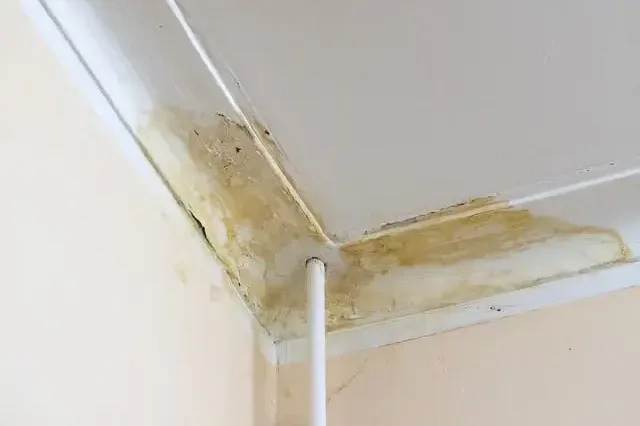
In a Princeton home, a ceiling leak is an inside job: the water comes from plumbing above, not from the roof. A shower pan, a toilet seal, a tub drain or a supply line in the floor framing leaks into the ceiling cavity, soaks the drywall and spreads along the joists until it stains, sags or drops.
Many of the 2010s and 2020s homes in Arcadia Farms and the subdivisions along US 380 put bathrooms and laundry rooms upstairs over living space. Each fixture is a possible source:
Electrical matters too: water in a ceiling often reaches light fixtures and wiring, so power to the area goes off first.
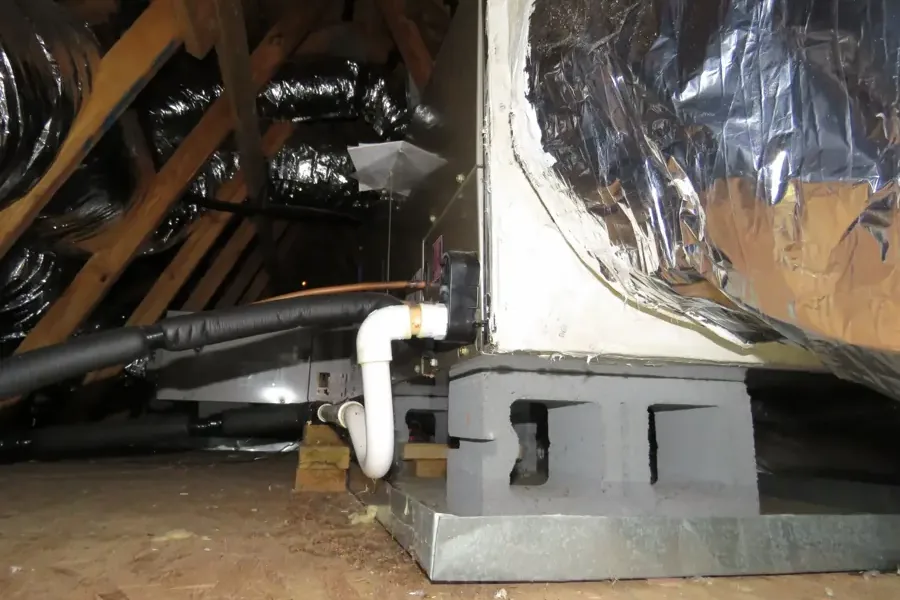
The drying team releases trapped water at the low point, then thermal imaging shows how far it spread above the drywall. Ceiling panels that sagged or crumbled come out; drywall that held its shape is often dried in place with air directed into the cavity. Toilet overflow water is Category 2 or 3 and is cleaned accordingly. A stain under an attic unit is usually an AC condensate leak, storm-related stains belong with roof leak water damage, and a broken line in the wall is burst pipe water damage.
A ceiling holding water is heavy. Keep people out from under it, shut off power to the fixtures in it, and never push on a bulge. OSHA publishes electrical safety guidance for wet areas, and EPA WaterSense covers checking toilets and fixtures for hidden leaks.
The restoration crew works all of ZIP 75407, from the Arcadia Farms streets and the newer subdivisions off US 380 to the older homes along FM 982 and FM 546 on the southern edge of town.
Nearby coverage reaches McKinney, Farmersville, Lowry Crossing, Fairview, Lucas, Melissa.
See every part of Princeton coveredUpstairs plumbing: shower pans, toilet seals, tub drains and supply lines in the floor framing. Attic air handlers and water heaters are other common sources.
Not always. Drywall that held its shape is often dried in place and refinished. Sagging or crumbling ceiling panels are removed.
No. Switch off the breakers for that ceiling first. Water and wiring together are a shock and fire risk.
Most ceiling leaks dry in two to four days. Wet subfloor upstairs or wet walls below add time.
Sudden plumbing leaks are often covered, while slow leaks over time may not be. Coverage depends on your policy, so check with your own insurer.
Most ceiling leak jobs here run $1,000 to $7,500. The cost calculator gives a planning range.
A wet ceiling keeps spreading along the joists and into the walls below. Releasing and drying it now saves the room.