$2,000 to $6,000
Bathroom or small area
- Containment and PPE
- Flooring and baseboards out
- Antimicrobial treatment
24/7 sewage backup cleanup in Princeton. The cleanup crew contains the area, removes sewage and every porous material it touched, treats surfaces with an EPA-registered antimicrobial and dries the structure to the IICRC S500 standard.
(888) 527-9134Sewage coming up? Phone right away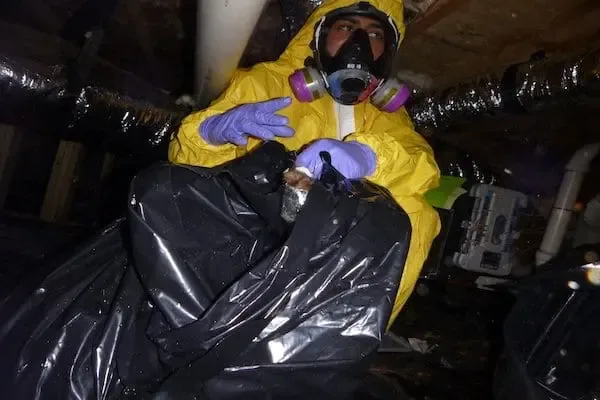
No flushing, showers, laundry or dishwasher until the line is cleared, or the backup gets worse.
Close off the area and keep children and pets away from the sewage and anything it touched.
Household cleaners and a mop spread contamination; leave it for the crew in protective gear.
Photograph the backup, then have a plumber clear the line while the cleanup crew is on the way.
Sewage is urgent; the response team works day and night so it does not soak further into walls.
Containment, removal and antimicrobial treatment come before any drying equipment runs.
Every removed material, the cause and daily readings are logged for the claim.
Ground-floor toilet and tub backups on local slab homes are routine Category 3 work.
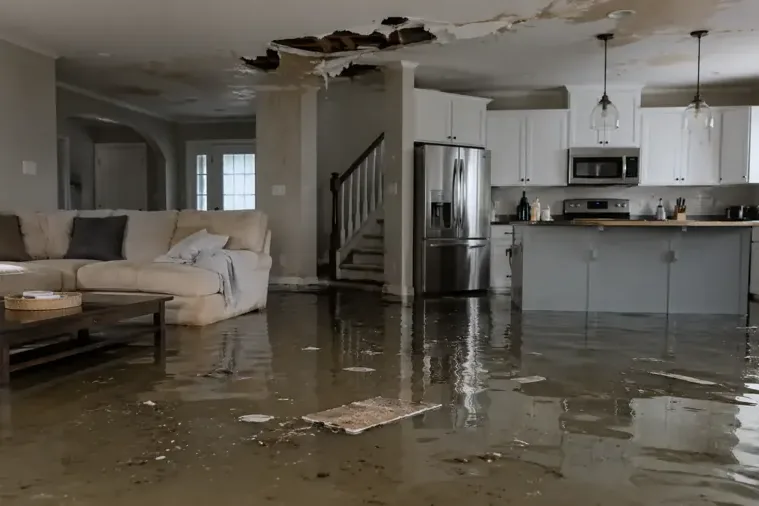
In Princeton, TX, sewage backup cleanup typically runs $2,000 to $6,000 for a bathroom or small area, and $6,000 to $15,000 when sewage spread into hallways or bedrooms and flooring and drywall came out. A backup across a large part of the ground floor can reach $15,000 to $30,000. Category 3 removal and containment set the price.
Ranges are typical, not a quote: the water category, the square footage, the material class and how fast drying started move the number most. For a planning figure on your own loss, try the water damage cost calculator.
The cleanup crew sets plastic containment and HEPA air scrubbers and works in full PPE, so contamination stays in the affected area.
Sewage is extracted, and carpet, pad, baseboards and drywall above the waterline that it touched are removed and bagged.
Hard surfaces are cleaned, then an EPA-registered antimicrobial is applied and left for its full labeled dwell time.
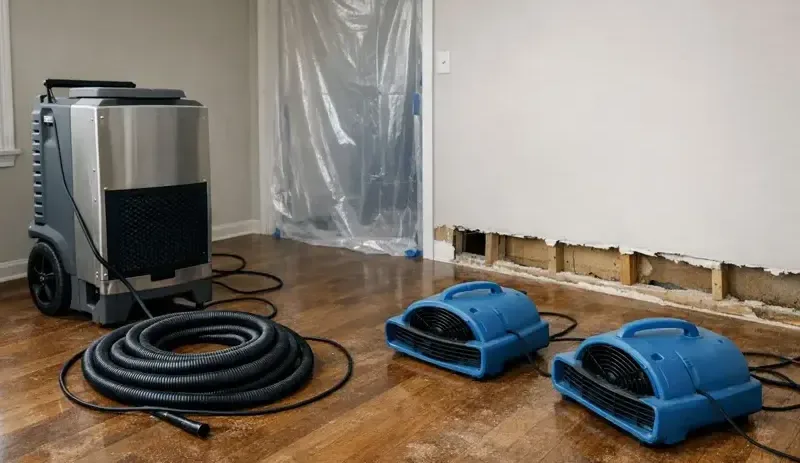
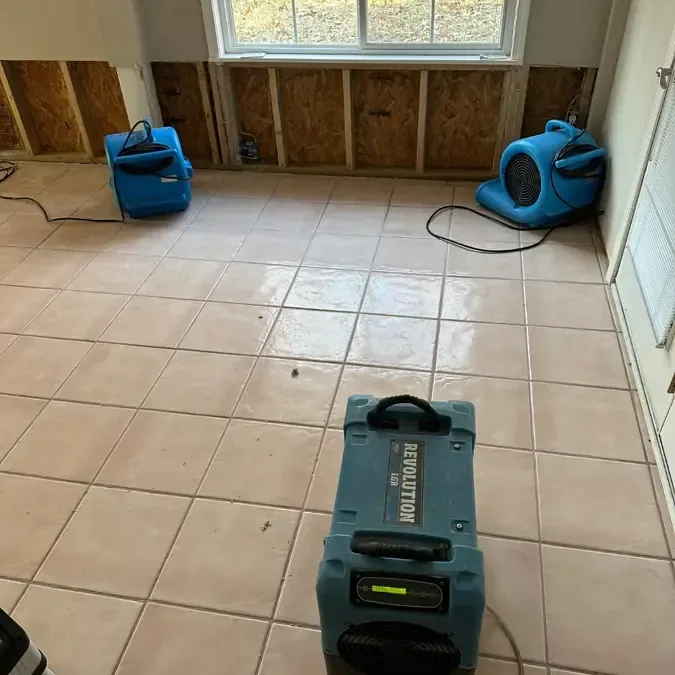
Air movers and LGR dehumidifiers dry the slab and framing, with daily readings until the structure reaches the drying goal.
A sewage backup is Category 3 water the moment it comes up. It carries bacteria and viruses, and anything porous it touches, such as carpet, pad, drywall and particleboard, cannot be safely dried and kept. Cleanup is about containment and removal first, drying second.
In a slab home the lowest drains, usually a ground-floor toilet, tub or shower, are where a blocked line shows up first. Most homes across Princeton, from Arcadia Farms to the subdivisions off US 380 and Princeton Road, went up in the 2010s and 2020s, so causes are usually blockages rather than collapsed old pipe:
The cleanup crew wears PPE, at minimum gloves, eye protection, a respirator and protective suits, and seals the area with plastic containment and HEPA air scrubbers. Sewage is extracted, then carpet, pad, baseboards and drywall above the waterline that it touched are removed and bagged. Hard surfaces are cleaned and treated with an EPA-registered antimicrobial left on for its full labeled dwell time. Only then do air movers and dehumidifiers start structural drying. Outside water that came in from a storm is covered under storm flood cleanup.
Keep children, pets and anyone with a weak immune system out of the area until cleanup is complete. OSHA publishes guidance on protective equipment for sewage work, and Ready.gov flood guidance covers sewage-contaminated water after storms. Many homeowner policies need a separate water backup endorsement for sewage, so check your own policy.
The restoration crew works all of ZIP 75407, from the Arcadia Farms streets and the newer subdivisions off US 380 to the older homes along FM 982 and FM 546 on the southern edge of town.
Nearby coverage reaches McKinney, Farmersville, Lowry Crossing, Fairview, Lucas, Melissa.
See every part of Princeton coveredSewage is Category 3 water. Porous materials like carpet, pad and drywall hold the contamination even after they dry, so the IICRC standard calls for removing them.
At minimum gloves, eye protection, a respirator and protective suits, plus containment and HEPA air scrubbers to keep contamination from spreading.
A plumber clears or repairs the line. The cleanup crew handles the sewage and the materials it touched inside the house.
Removal and treatment usually take a day or two, and drying takes three to five more. Larger backups take longer.
Many policies need a separate water or sewer backup endorsement. Coverage depends on your policy, so check with your own insurer.
Most sewage jobs here run $2,000 to $15,000. The cost calculator gives a planning range.
Sewage is Category 3 from the first minute. Containment, removal and an antimicrobial come before any drying.