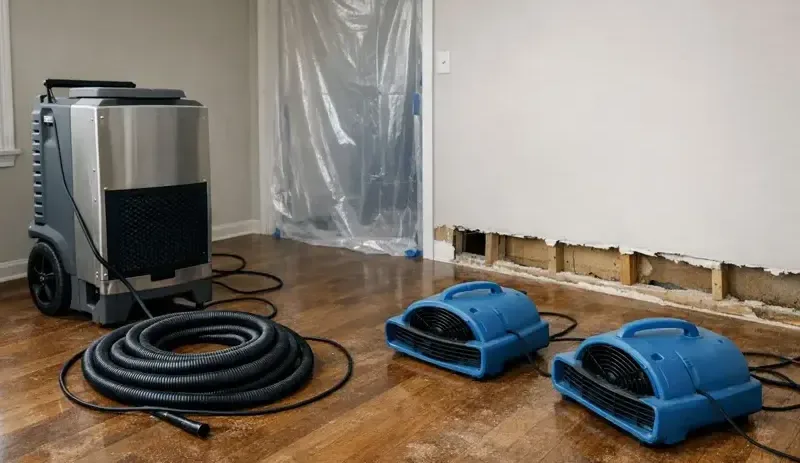
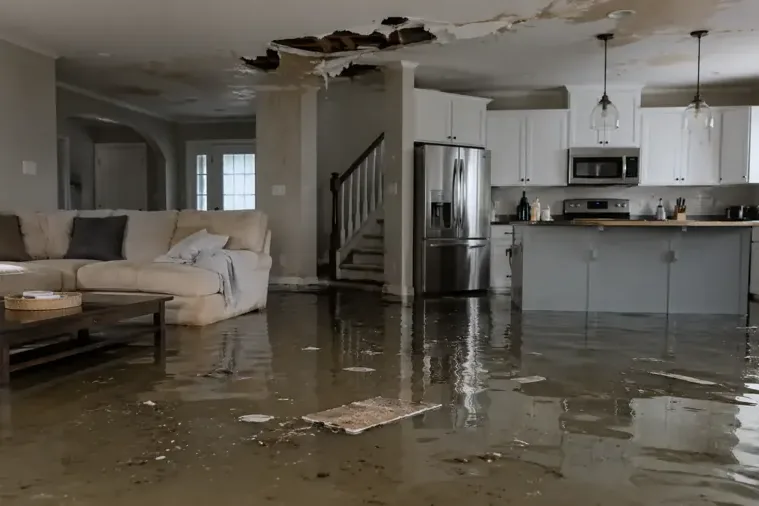
$2,000 to $6,000
Bathroom or small area
- Contained extraction
- Material removal
- Disinfection
Sewage backing up through a drain brings contaminated water into the home. Technicians in protective gear remove it, discard soaked materials, disinfect every surface it touched and dry the area afterward.
(888) 527-9134Sewage on the floor? Call the cleanup crew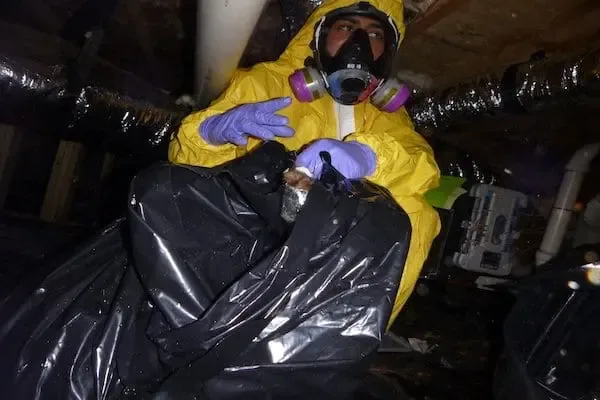
Move people and pets away from the affected area and keep children out entirely.
Stop flushing and running water so no more sewage can enter the house.
Take pictures from a safe distance before anything is moved or thrown away.
Describe the rooms and materials involved so the crew arrives with protective gear and the right pumps.
Contaminated water is pumped or vacuumed out and sealed in proper waste bags.
Carpet, pad and low drywall that absorbed sewage are removed because they cannot be cleaned.
Hard surfaces are cleaned and sanitized after the debris has been removed.
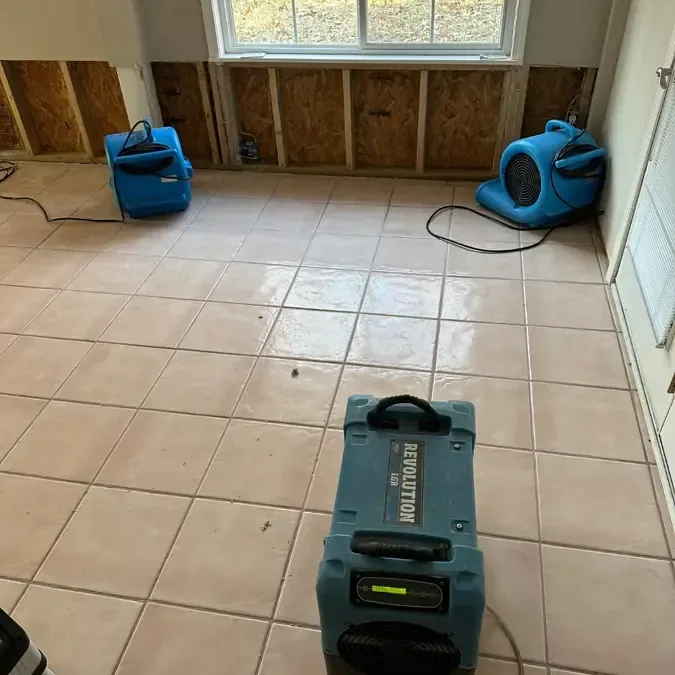
Equipment runs and is checked at each visit until the damp materials finally measure dry.
Sewage backup cleanup typically costs $2,000 to $30,000, depending on how far the sewage spread and what it soaked. A bathroom or small area costs the least, a backup that spreads into hallways or bedrooms costs more because carpet and drywall must come out, and a large part of the floor reaches the top of the range.
Ranges are typical, not a quote: the water category, the square footage, the material class and how fast drying started move the number most. For a planning figure on your own loss, try the water damage cost calculator.
The crew puts on protective gear and seals off the area so the contamination does not travel into clean rooms.
Sewage is pumped out, and soaked porous materials are bagged and carried away in sealed containers.
Surfaces are cleaned and sanitized, then air movers and dehumidifiers dry the space while readings are tracked.
Final readings are confirmed, and the photos and logs are handed over for the claim.
A sewage backup is more than a plumbing problem. The water that rises through a floor drain, tub or toilet contains bacteria and other contaminants, and it can reach carpet, drywall and furniture within minutes of surfacing. General cleanup practice applies here, and nothing in it points to any particular sewer provider.
Technicians wear protective gear, contain the area and extract the sewage. Carpet, pad and low drywall that absorbed it are removed and bagged. Hard surfaces are cleaned, then disinfected, and the space is dried with air movers and dehumidifiers while the rest of the house is kept protected. Floor drains, tub surrounds and baseboards get extra attention because sewage settles into low spots and seams.
Contaminated water carries pathogens, so porous materials that touched it are not safe to keep. Children, older adults and anyone with a weak immune system face higher risk, and about three in ten residents here are 65 or older. Keep everyone out of the affected area until the cleanup is complete, and wash hands thoroughly after any accidental contact.
Policies handle backups differently, and some require an added endorsement for sewer or drain backup. Photos, the crew's cleanup record and a list of discarded items help the adjuster. Check with your own insurer before work begins.
Sewage cleanup serves Fairview homes and businesses in 75069, from Heritage Ranch off Stacy Road to residences near the Villages at Fairview and properties along Highway 75 and Highway 121.
The same service nearby: sewage backup cleanup in Princeton, Lucas, Wylie.
This town's water damage hub · every town coveredYes. It carries bacteria and other contaminants, so people and pets should stay out until the cleanup is complete.
Usually not. Carpet and pad that absorbed sewage are removed, while hard surfaces can be cleaned and disinfected.
Stay out of the area, stop using the plumbing and take photos from a safe distance.
Often only with an added endorsement. Check with your own insurer before work begins.
A plumber clears the blockage. Restoration crews handle the cleanup and drying after the sewage has surfaced, and the two jobs are usually scheduled separately.
Extraction and removal happen first, then drying takes several days. Readings at each visit show when the rooms are finished.
Contaminated water spreads into porous materials fast. Protective cleanup and disinfection start once the crew is on site.