$2,000 to $5,000
One room, caught early
- Single wet room
- Floor drying
- Short dry-out
A leak beneath the concrete can soak flooring, baseboards and cabinets for weeks before it shows. Crews find how far the moisture traveled, then dry floors and walls so the repair does not trap water.
(888) 527-9134Talk through a leak under my floor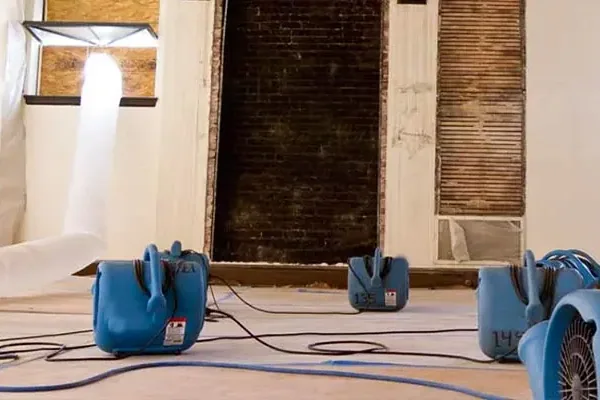
Meters and thermal imaging confirm where moisture sits and how far it has traveled from the source.
Baseboards are pulled and damaged flooring is cut out so trapped water can escape.
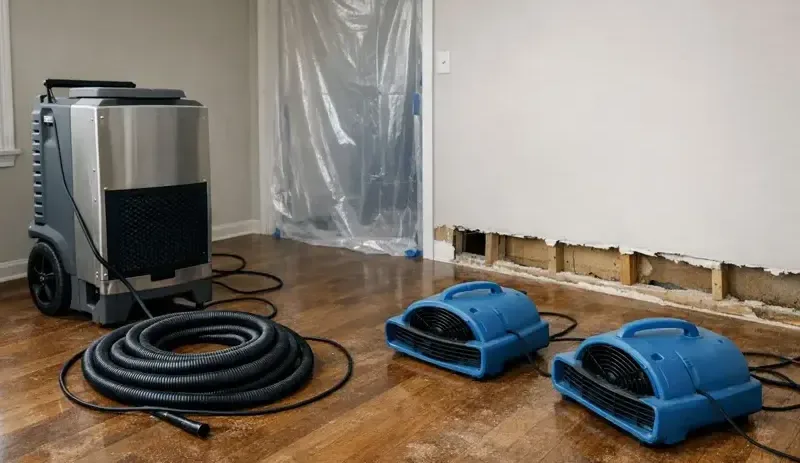
Floor mats, air movers and dehumidifiers run until readings drop toward dry targets.
Moisture logs and photos are saved for the plumber and the insurance file.
Water under boards causes cupping, so drying mats and careful monitoring can save some floors.
Moisture trapped under tile is drawn out through targeted drying before rebuilding.
Kitchen and bath cabinets sit low where leaks surface, so toe kicks and wall bases are opened.
Wet pad is removed and carpet is dried or replaced depending on how long it stayed wet.
Slab leak costs depend on how long the water ran, how much flooring is affected and whether cabinets or walls need opening. The plumbing repair is billed separately from the drying work, and a written scope follows moisture mapping so the numbers match the actual damage. Early mapping keeps the scope tight and the price fair.
Ranges are typical, not a quote: the water category, the square footage, the material class and how fast drying started move the number most. For a planning figure on your own loss, try the water damage cost calculator.
Thermal imaging and meters follow the water from the leak outward, which shows the full wet footprint before demolition begins, so nothing dry is cut.
Baseboards and damaged flooring are removed, and unaffected rooms are shielded so the dry-out stays focused.
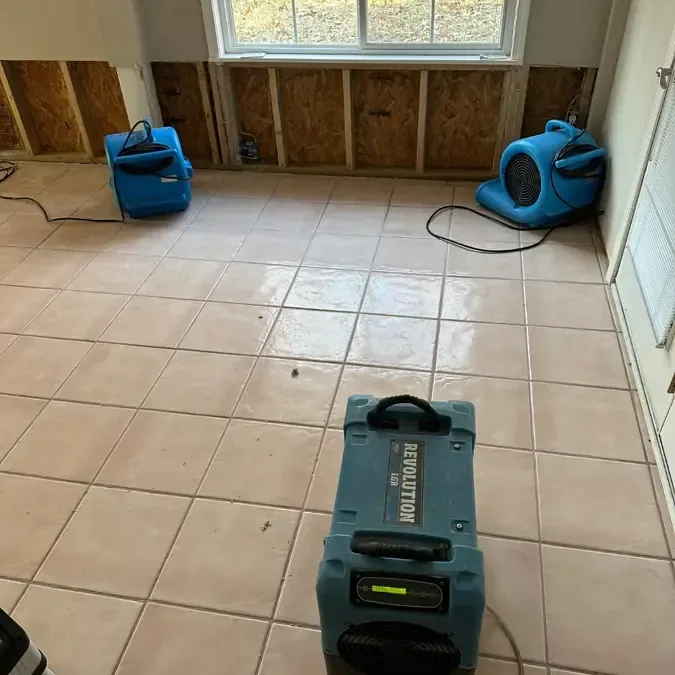
Floor mats and dehumidifiers pull water from slabs and subfloors, while air movers keep vapor from settling in walls, with daily readings.
Final readings show when materials are dry, and the log is handed over for repairs and the claim.
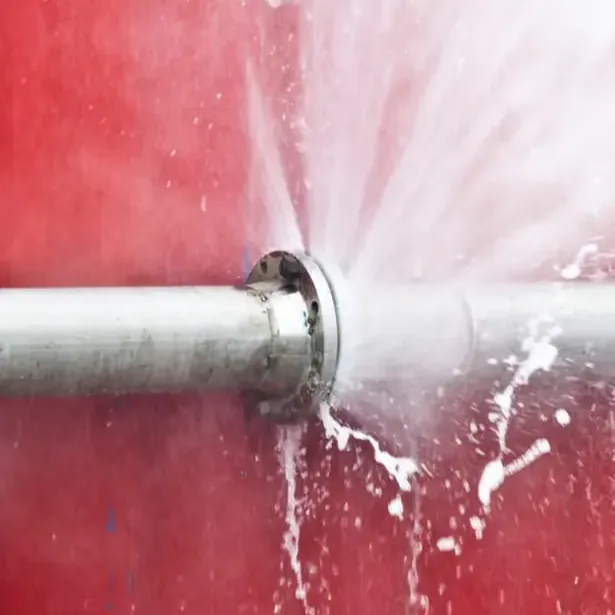
A pipe that leaks under a slab pushes water up through cracks and joints into the rooms above. Floors can feel warm, carpet can smell musty and baseboards can swell long before a puddle forms. The plumber finds and repairs the leak, and restoration handles the water that has already spread through the house.
Drying starts with mapping. Thermal cameras and moisture meters show which floors, walls and cabinet bases hold water, and the crew removes damaged material that cannot recover. Mats and dehumidifiers then pull moisture out of hardwood, tile underlayment and framing, with readings checked on every visit until the numbers return to normal.
New homes in town must pass slab and foundation pre-pour inspections by the city and by the builder's foundation engineer before concrete goes down. That inspection covers the build, but any slab can develop a leak later, and the water it releases still has to be tracked and dried. Where a leak is confirmed, the repair and the dry-out are scheduled together so the floor is not closed up wet.
Plumbers open the slab or reroute the pipe, and restoration timing matters. Drying before and after the repair keeps new flooring from cupping, and the moisture log shows when it is safe to rebuild. Related work such as structural drying is often needed as well.
Slab leak drying is available across Lucas, including The Estates at Austin Trail, Forest Creek Estates and homes along West Lucas Road and Estates Parkway, with the same documentation on every job.
The same service nearby: slab leak water damage in Princeton, Fairview, Wylie.
This town's water damage hub · every town coveredWarm spots on the floor, a water meter that keeps running with fixtures off, damp carpet or a musty smell can all point to one. A plumber confirms it with listening or pressure testing equipment before any floor is opened.
No. A plumber repairs the leaking pipe, while restoration removes the water that spread and dries the floors, walls and cabinets. Both jobs often run side by side.
Sometimes. Quick drying with floor mats can rescue boards that have only started to cup, but long exposure usually means replacement. The floor type and the time the water sat decide the outcome.
Slab water spreads sideways before it shows. A map prevents opening floors that are dry and missing walls that still hold moisture. That saves time and money on demolition.
Policies treat slab leaks differently. Photos and moisture logs support the claim, but your own insurer decides what is covered.
Hardwood and cabinets take longer than carpet. Readings set the schedule, and equipment stays until the materials are dry. The readings tell you exactly when equipment can leave.
No. Closing wet floors traps moisture and invites odor and mold. Moisture trapped under flooring can also peel adhesives, so flooring goes back only after readings confirm dry subfloor.
Yes. The pre-pour inspections cover the build, but pipes can still fail later, so a hidden leak in a newer home is treated the same way.
A leak under the concrete keeps feeding the floors above. Call, describe the signs and set up mapping and drying before repairs begin.