$2,000 to $5,000
One room, caught early
- Flooring removal
- Short drying run
- Moisture map and photo record
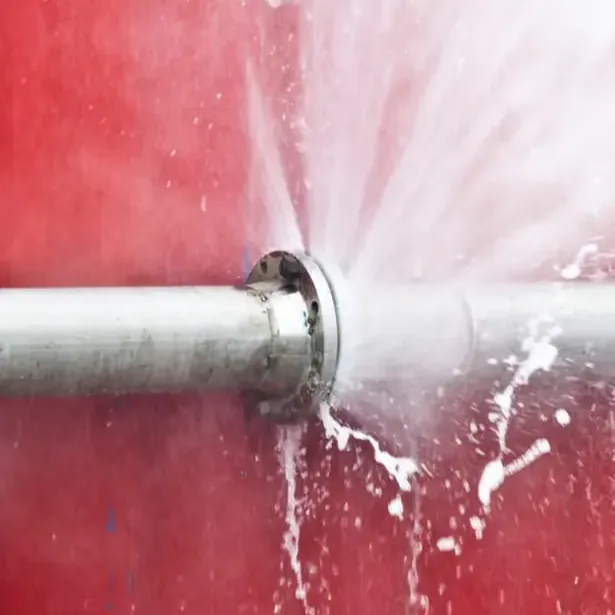
A slab leak hides under the foundation, so water shows up as damp flooring, warm spots or a high bill. Crews map the moisture in Melissa homes, dry what the leak soaked and document it for the claim.
(888) 527-9134Get the hidden leak checked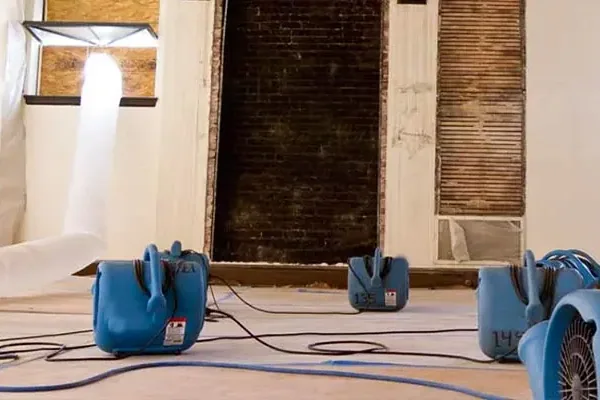
A plumber or leak detection technician pinpoints the pipe and repairs it so the floor stops getting wet.
Meters and a thermal camera trace water through flooring, baseboards and lower walls.
Damaged flooring, pad and drywall are removed where drying alone will not recover them.
Equipment runs until readings match a dry reference, and results are recorded.
Meters and thermal imaging show where water traveled so only the wet areas are opened. This keeps demolition limited to the true wet area.
Carpet, laminate, hardwood and tile are lifted where the layers underneath are soaked.
Lower drywall and cabinet bases are opened or dried in place based on measured moisture.
Photos, logs and invoices describe a leak that ran unseen for some time.
Slab leak water damage in Melissa commonly falls between $2,000 and $25,000 once the plumber has stopped the leak. One room caught early costs least, while a leak that ran for weeks soaks cabinets, walls and flooring across several rooms and pushes into the top tier. The plumber's repair is billed separately by the plumber.
Ranges are typical, not a quote: the water category, the square footage, the material class and how fast drying started move the number most. For a planning figure on your own loss, try the water damage cost calculator.
The plumber repairs the pipe under the foundation, and the crew waits for the water source to be confirmed off.
Technicians scan floors and walls with meters, and mark the edges of every wet area on a floor plan.
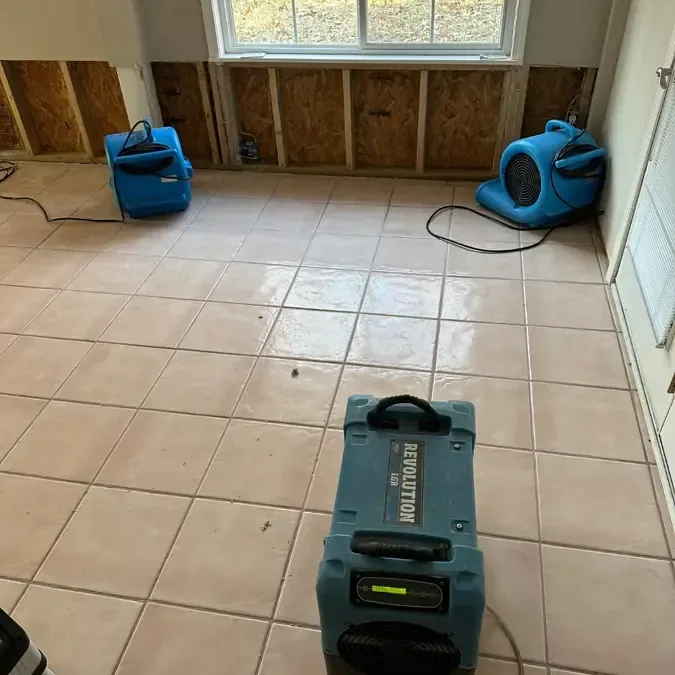
Ruined flooring is lifted and lower drywall opened, and equipment is placed to dry the layers that remain.
Daily readings steer the equipment, and the final records go to the homeowner and the adjuster. Nothing is closed up while a reading is still high.
City permit rules ask for a foundation plan sealed by a State of Texas engineer, plus a letter tying the design to the lot, so the floor structure in a new home is carefully designed. A pipe leaking beneath that foundation is still hidden, and the water finds its way up through flooring, baseboards and the bottom of walls.
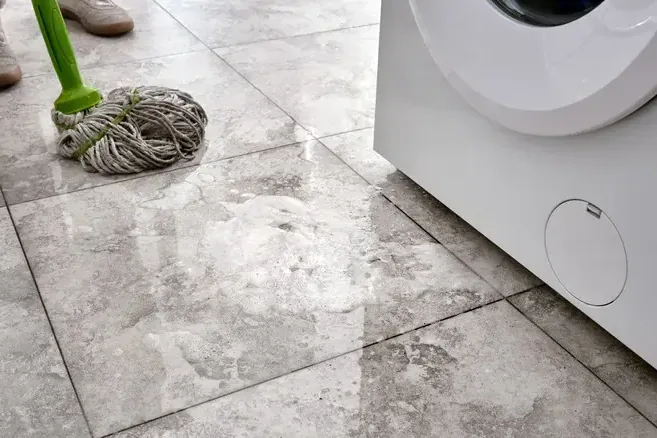
Warm patches on tile or wood, a musty smell in a closed room, the sound of running water when everything is off and a water bill that climbs without explanation all point to a hidden leak. Cabinet bases and baseboards that swell are another clue, because water travels sideways before it surfaces. Left alone, the water softens baseboards, lifts laminate seams and feeds odor in the closed space under the flooring, so the longer it runs the larger the opening becomes.
A plumber locates and repairs the pipe, and the restoration crew handles the water the leak left behind. Flooring over the wet area is lifted, baseboards and lower drywall are opened, and air movers and dehumidifiers dry the exposed layers while meters track progress. Because the source ran slowly, readings often reveal wetter areas than the surface suggests.
Dated photos, moisture maps and equipment logs establish when the damage was found and how it was dried, which is what an adjuster looks for when a leak has been running for a while. Reports from the plumber about when the leak was fixed are filed alongside the drying logs.
Hidden slab leaks are dried across Melissa, from older acreage properties and Country Ridge to newer subdivisions such as Liberty, Legacy Ranch and Hunters Creek in ZIP 75454. Crews treat each home's flooring type as part of the plan.
The same service nearby: slab leak water damage in Princeton, Anna, Fairview.
This town's water damage hub · every town coveredCommon signs are warm spots on the floor, damp flooring, a musty smell, running water sounds and a bill that climbs. A plumber confirms the diagnosis with leak detection tools. A bill that jumps with no change in use is another early clue.
A plumber repairs the pipe. The restoration crew removes wet materials and dries the structure, and the two trades coordinate so the floor is not closed up wet. Both trades share findings so each knows what the other has found.
Hardwood, laminate and carpet over a long-running leak are usually removed. Tile often survives, but the layers beneath it are still checked and dried.
It can when materials stay wet for long, which is why measured drying matters. Crews log readings until the structure reaches a dry reference.
Policies differ on slow leaks and on the plumbing repair itself. Many cover the resulting water damage when the leak is sudden, so ask your own insurer early.
Usually several days, though thick flooring and soaked cabinets stretch that. Readings, not a calendar, decide when the equipment leaves.
Cleanup commonly runs from $2,000 to $25,000 depending on rooms affected and how long the leak ran, as the price cards show.
Weeks or even months, because the water seeps into the layers above the foundation before it appears. That is why moisture mapping often finds wetter areas than the surface shows.
Call any hour, describe what you see in the floors, and a local crew maps the damage and plans the drying once the plumber has the pipe fixed.