$2,000 to $5,000
One room, caught early
- Leak area mapped
- Flooring dried in place
- Short drying run
A slab leak soaks flooring and wall bases from below, often for weeks before a warm spot, a high water bill or cupped boards give it away. Crews trace the wet area, then dry the floor assembly and walls.
(888) 527-9134Floor feels warm or damp? Call now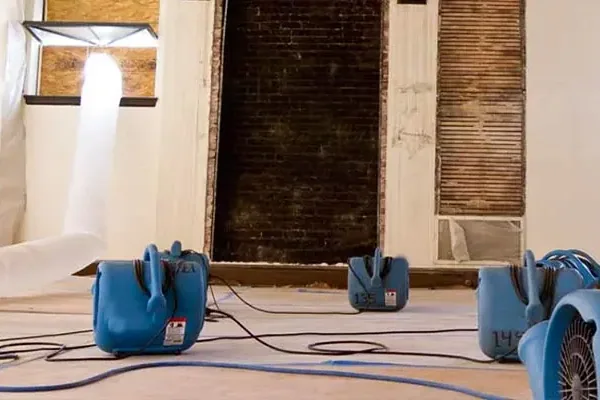
Turn off every fixture and see whether the meter still moves, which points to a hidden leak somewhere in the supply.
Close the main valve to slow the damage while you wait for a plumber to locate the broken pipe.
Move rugs and furniture off wet flooring and pull items away from baseboards that feel damp or warm.
Report the plumber's findings so the drying crew can map moisture and plan equipment around the repair.
Infrared imaging and meters outline the wet zone so demolition opens only what is truly saturated.
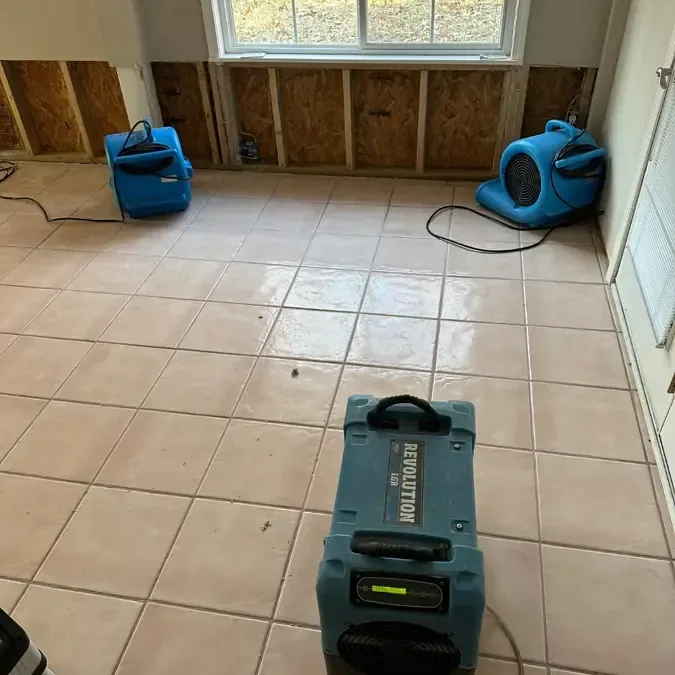
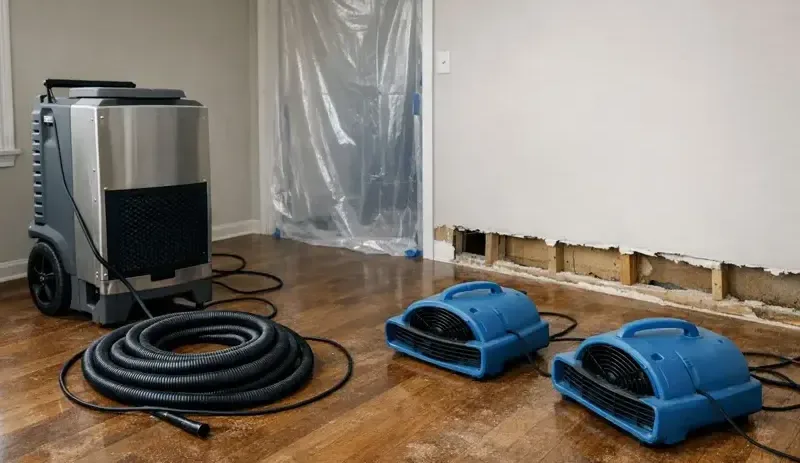
Mats and panels pull water from hardwood and laminate, while tile and concrete dry through dehumidification.
Lower drywall, baseboards and cabinet toe kicks are opened or removed where water has wicked upward.
Readings on the slab edge and framing confirm the area is dry before anything is rebuilt.
Slab leak water damage usually costs between $2,000 for one room found early and $25,000 for a leak that ran for months. Hidden damage under flooring and the type of floor drive the spread, and plumbing repair is billed separately. Tile or sealed concrete dries faster than hardwood or laminate. Each job is quoted after the moisture survey.
Ranges are typical, not a quote: the water category, the square footage, the material class and how fast drying started move the number most. For a planning figure on your own loss, try the water damage cost calculator.
The crew uses thermal imaging and meters to outline the wet area, since the source is hidden below the floor.
Saturated pad, baseboards and low drywall are removed, and flooring that cannot dry in place is lifted, while sound flooring stays.
Mats, air movers and dehumidifiers pull water from the floor and walls once the plumber has fixed the pipe.
Readings at the slab edge, framing and flooring are logged until each one reaches the dry goal, and the report goes to the adjuster.
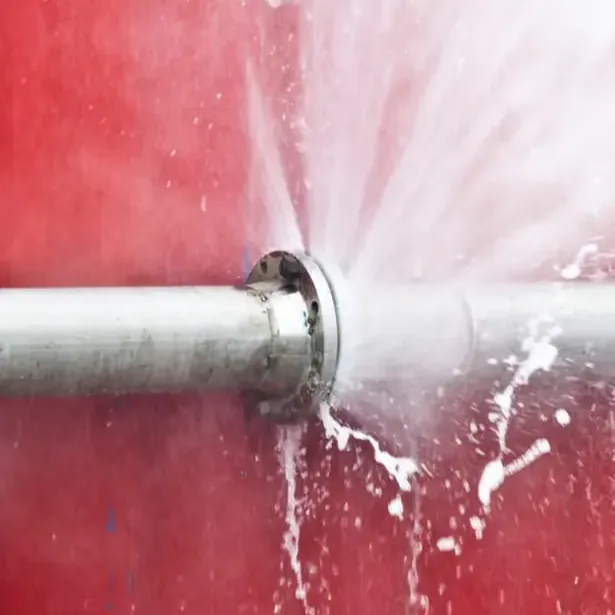
A slab leak is a break in a supply or drain pipe that runs beneath the floor, so the water spreads out of sight. Signs include a warm patch on tile, the sound of running water with every fixture off, musty smells and baseboards that stay damp. The plumber finds and repairs the pipe, and the drying crew handles everything the water touched. A warm spot on the floor often signals a leaking hot-water pipe.
Moisture rises into the bottom of drywall, cabinet bases and any flooring laid over the concrete. Hardwood cups, laminate swells and carpet pad stays wet long after the surface feels dry. Because the source is hidden, the wet area is usually larger than it looks, and readings from a meter matter more than appearances. Baseboards that wick water upward often darken first.
A leak between the street and the meter box is the City's to repair, and a leak between the meter box and the faucet belongs to the homeowner. A pipe leaking under the floor falls on the homeowner's side, so the plumber and the drying crew are usually the two calls to make. Repair comes first, then drying starts.
Insurers often ask when the leak began and how far it spread, so moisture maps and dated photos matter. Coverage for slab leaks varies by carrier, so confirm the details with your own insurer. Photos taken before any flooring is lifted help show how far the water spread.
The drying crew covers all of ZIP 75409, from The Villages of Hurricane Creek to the homes near Powell Parkway and the streets running toward US 75 on the west side of the city.
The same service nearby: slab leak water damage in Princeton, Melissa, Fairview.
This town's water damage hub · every town coveredCommon signs include a water meter that spins with everything off, warm spots on the floor, cupping hardwood, musty smells and a bill that jumps without any change in use.
Most do. Even a slow leak keeps flooring and wall bases wet for weeks, and hidden moisture often shows up as lifting boards, loose tile or stained baseboards.
A leak between the street and the meter box is the City's responsibility, and the part between the meter box and the faucet is the homeowner's. Any pipe under the floor sits on the homeowner's side.
Sometimes, if the wet area is found early and drying mats go on quickly. Boards that have already cupped badly or sat wet for weeks usually need replacing.
Yes. If the pipe is still leaking, new water keeps arriving and the drying never catches up. The plumber repairs the pipe first, and then the dry-out begins.
Concrete holds moisture longer than most materials, so expect a week or more in some cases. Readings decide the timeline, and the crew stops only when the dry goal is met.
Many policies treat sudden pipe failures differently from long-term seepage, so details vary. Photos, moisture maps and dates help, and your own insurer can explain what applies.
Usually not for a single room, though equipment is loud and bulky. Larger jobs with removed flooring or contaminated areas may be easier to manage with a short stay elsewhere.
A hidden leak keeps soaking flooring and wall bases. Mapping and drying it early saves more of the home.