$2,500 to $7,500
Garage or one room
- Pump-out
- Contaminated material removal
- Cleaning
The city sends Everbridge alerts after flash flood warnings, but storm water that reaches a home still needs fast removal. Crews pump it out in Melissa, sort what can be saved and dry the structure.
(888) 527-9134Clear the storm water now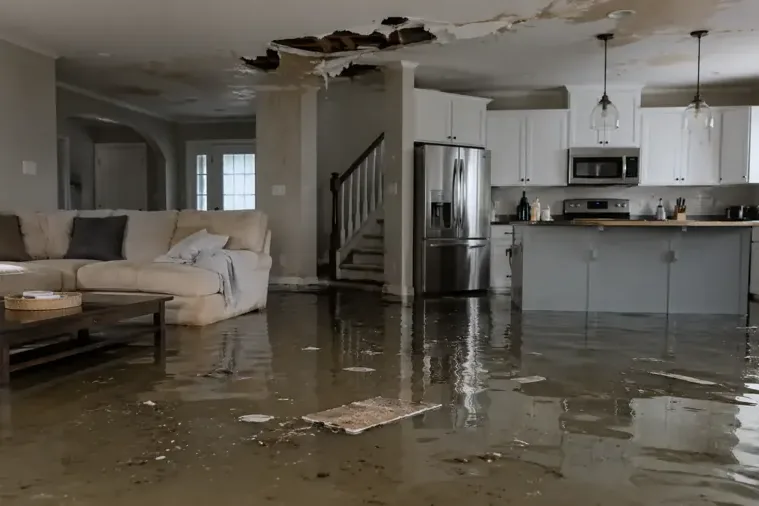
Power, gas and contaminated water risks are checked before anyone works inside. Never wade through water that could touch power.
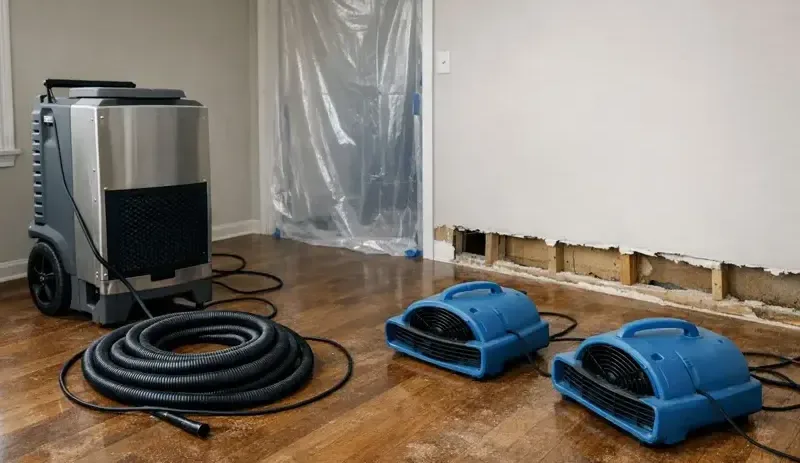
Pumps and extractors remove standing floodwater from the lowest areas first.
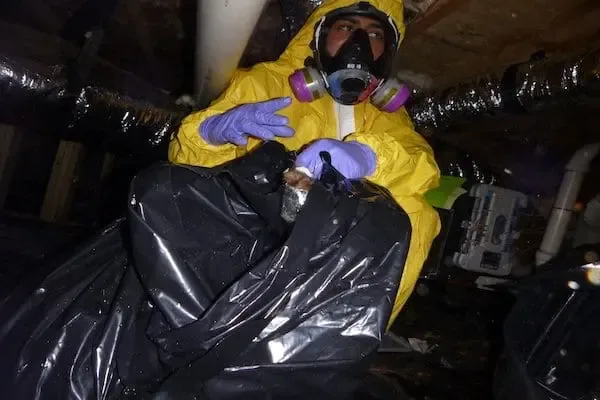
Carpet, pad, insulation and wet drywall are removed and bagged. Contents are photographed before disposal.
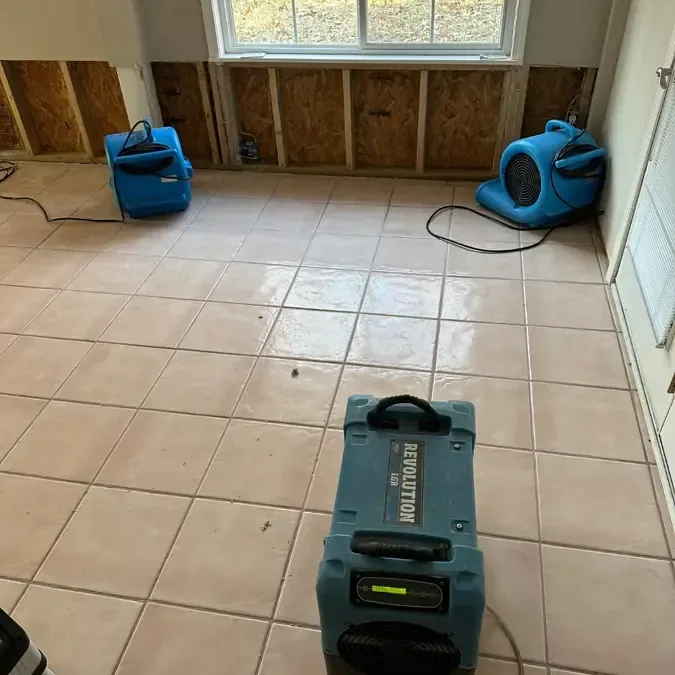
Surfaces are disinfected and equipment dries the structure to targets. Readings confirm the end.
Deeper water is pumped out before smaller tools finish. Sump-style pumps and hoses handle depth.
Porous materials touched by floodwater are removed. Insulation and low drywall go too.
Hard surfaces are cleaned after extraction. Appliances and cabinets are wiped down.
Belongings are sorted into those that can be cleaned and those that cannot. Salvage lists help with the claim.
Storm flood cleanup in Melissa usually costs from $2,500 to $45,000. A garage or single room sits at the low end, while water across the entire first floor or a business reaches the top tier because of removal, disinfecting and long drying. Disinfecting and disposal add to the total beyond drying alone. Depth and area drive most of the difference.
Ranges are typical, not a quote: the water category, the square footage, the material class and how fast drying started move the number most. For a planning figure on your own loss, try the water damage cost calculator.
Technicians check power and hazards, and the crew sets pumps for the deepest water. Photos of the waterline are taken first.
Water is pumped out and ruined materials are carried out in bags. Mud and debris are shoveled out.
Surfaces are cleaned and disinfected, and drying equipment is placed. Odor control is part of the cleaning.
Readings continue until dry, and the loss file goes to the homeowner and insurer. The final readings go in the file.
The City of Melissa uses its Everbridge system to send alerts after National Weather Service severe thunderstorm, tornado and flash flood warnings. Those alerts give a short window to move vehicles and valuables, but when storm water still reaches a garage or ground floor, the cleanup needs to start quickly. In a fast-growing city of newer subdivisions, driveways and yards shed water toward garages, and a hard rain can leave an inch or more at a door.
Floodwater carries soil, bacteria and runoff from yards and driveways, so it is treated as contaminated. Porous materials such as carpet, pad and insulation are usually removed, and hard surfaces are cleaned and disinfected after extraction. Mud, sewage from overloaded systems and yard chemicals can all be present, which is why protective gear and disinfecting come before any rebuilding.
Crews confirm the power is safe, pump out the water, then remove contaminated materials and bag them for disposal. Air movers and dehumidifiers dry the remaining structure, and meters track the drying until it is complete. The sequence matters. Pump-out first, then removal of ruined materials, then cleaning, and only then drying equipment, because moisture left under dirty materials can undo the work.
Flood coverage differs from standard homeowner coverage in many policies, so photos, a list of lost contents and drying records help with whichever claim applies. Dated photos of the waterline, the damaged contents and the cleanup steps are the best support for either a flood or a storm claim.
Storm flood crews cover Melissa homes in The Quarry, Liberty, Legacy Ranch and Country Ridge, and businesses along US 75 and State Highway 5 in ZIP 75454. Acreage properties are covered too.
The same service nearby: storm flood cleanup in Princeton, Anna, Fairview.
This town's water damage hub · every town coveredNo. It can carry bacteria and chemicals, so avoid contact and wear protective gear.
Seldom. Floodwater is contaminated, so carpet and pad are usually removed.
Standard policies often exclude flood. Separate flood coverage may apply, so ask your insurer.
Several days after pump-out and removal, with readings deciding when equipment leaves.
Pump-out can begin as soon as it is safe, but crews work where the water is no longer rising.
Totals run from $2,500 to $45,000 depending on depth and area.
Wait only until it is safe to enter. Photograph the waterline, keep out of any water that could touch power, and call so the pump-out can begin as soon as conditions allow.
Standard homeowner policies often exclude flood, while a separate flood policy may apply. Ask your insurer which policy responds before work starts.
Call as the alerts clear and a local crew pumps out the water, removes contaminated materials and dries the structure while keeping records for the claim.