$1,000 to $3,500
One ceiling area
- Single stain
- Insulation removed
- Short drying run
The April 11, 2016 hail storm damaged an estimated 80% of Wylie homes, and roof leaks followed. Crews dry the attics, insulation and ceilings that rain reached, while roofers handle the shingles and the deck.
(888) 527-9134Dry the rooms under the roof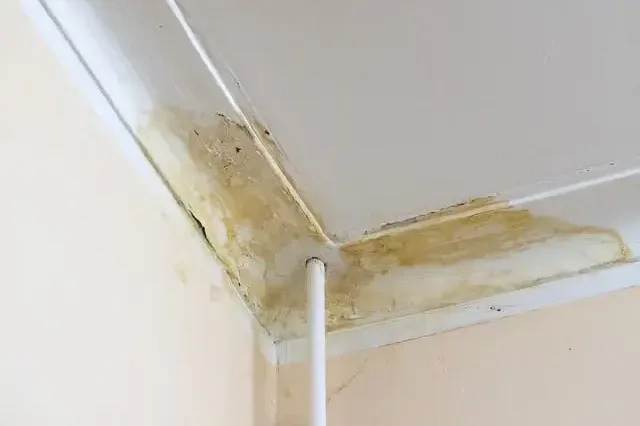
Have a roofer tarp the damaged area to stop new water from reaching the attic and the rooms below.
Shift furniture and electronics away from the stained ceiling and the walls that touch the roof edge.
Capture the stains, the attic insulation and any dripping, with dates, before cleanup begins.
Meters show how far the water traveled, so drying begins in the right rooms.
Wet insulation and framing are dried once the roof is covered, so the water stops arriving.
Saturated drywall is cut out and the cavity above it is dried with directed air.
Meters trace water that ran down into the tops of exterior walls.
Photos and logs show the interior loss separately from the roofing scope.
Roof leak water damage commonly runs from $1,000 to $18,000. One ceiling area costs the least, and water that reached walls, floors and an attic across two levels costs the most, because insulation, drywall and framing all need attention. Catching a leak at the first stain, before it soaks through the attic, keeps the work and the bill much smaller.
Ranges are typical, not a quote: the water category, the square footage, the material class and how fast drying started move the number most. For a planning figure on your own loss, try the water damage cost calculator.
Meters and thermal imaging map the wet ceilings, walls and attic once the roof opening is covered and the water has stopped arriving.
Soaked insulation and weakened drywall come out so the framing can dry in open air.
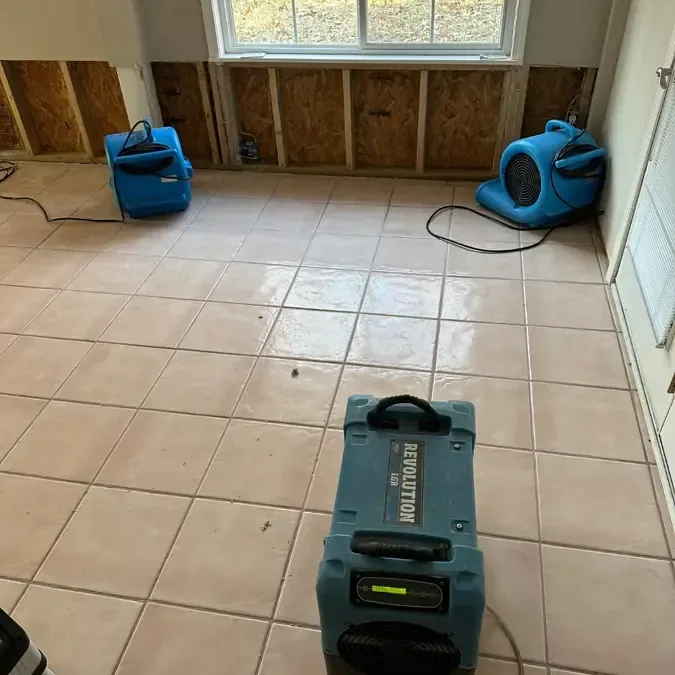
Air movers and dehumidifiers dry the framing and the rooms below on a schedule from the readings.
Logs and photos go to the adjuster and the contractor, with dates for each visit.
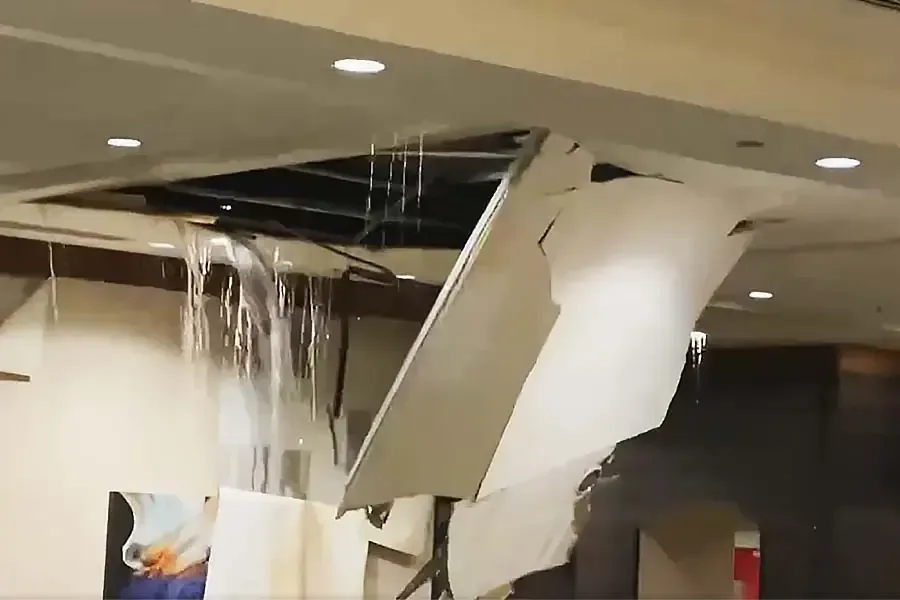
The April 11, 2016 hail storm hit Wylie with softball-sized stones and caused over $240 million in damage. Roofs took the brunt of it. Hail can bruise or crack shingles, and rain finds those weak spots on later storms, so the interior damage may appear weeks or months after the hail fell, often after the first heavy rain.
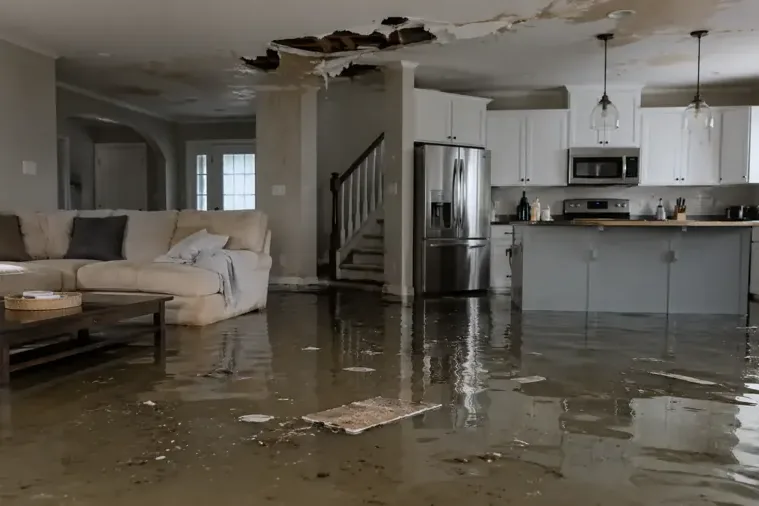
Water enters at the roof deck, soaks the insulation and drips onto the ceiling below. Drywall sags, paint bubbles and brown stains spread outward. Rain also runs along rafters and down the inside of exterior walls, so walls near the roof edge may hold moisture that never reaches the ceiling, which is why a meter reading beats an eyeball check.
A roofer or tarp stops new water. Then the interior work starts: soaked insulation is removed, wet drywall is opened where needed, and dehumidifiers dry the attic and rooms below. Water that sits in an attic can warp framing and encourage mold, so the sooner it is dried the better.
Roofing and interior damage are often handled together on a claim, though each has its own contractor and its own scope. Keep any tarp receipts. Photos, moisture logs and a written scope show the adjuster what water reached inside.
Roof leak interior drying covers Wylie homes and shops, including Historic Downtown Wylie, State Route 78 and ZIP code 75098, with crews on call at any hour across Collin County.
The same service nearby: roof leak water damage in Princeton, Lucas, Fairview.
This town's water damage hub · every town coveredYes. Hail can crack shingles and break the seal, and rain may take time to find the weak spot, so a stain can show up long after the storm.
Rainwater is treated as contaminated, so soaked insulation and drywall are removed instead of dried in place.
Yes. Insulation hides water, and attic framing can stay wet long after a ceiling looks dry from below.
Policies vary. Read yours and confirm details with the insurer, and keep photos, tarp receipts and moisture logs.
If it sags or stays wet, yes. Light stains may dry with air movers, based on meter readings taken over several visits.
Soon after the roof is covered. Wet insulation and framing breed odor and swelling quickly, and delay makes the repair larger.
Once the roof is covered, the wet attic and ceiling need drying fast. Call now, any hour, and a Wylie crew will survey and dry the interior.