$2,500 to $7,500
Garage or one room
- Water pumped out
- Debris cleaned
- Short drying run
Wylie sits between Lavon Lake and Lake Ray Hubbard, and Muddy Creek runs through the area with a history of seasonal flooding before its reservoir was built. Crews pump out, clean and dry flooded homes.
(888) 527-9134Clear the flood from the house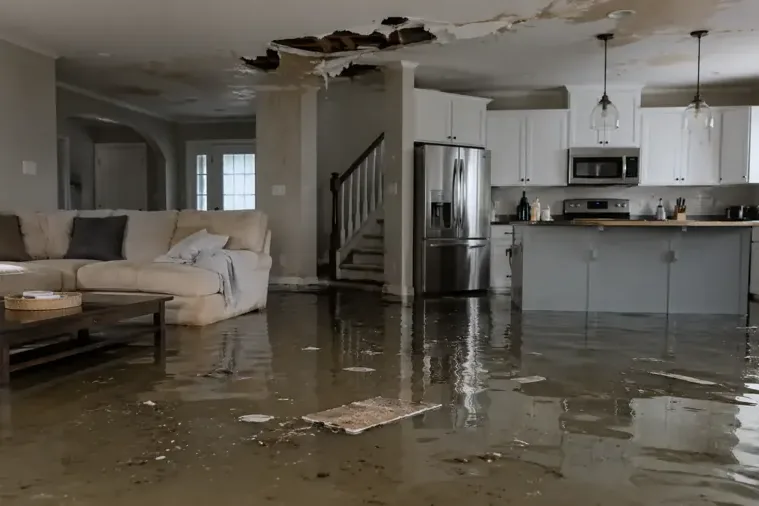
Standing floodwater can hide hazards, sharp debris and contamination, so wait for protective gear.
Switch off breakers to flooded areas if the panel is safe to reach, and never touch wet outlets.
Document the water line, the damaged items and the debris before cleanup begins.
Call now, any hour, for pumping, removal and cleanup of the affected rooms.
Deep water is removed from garages and ground-floor rooms with pumps sized for the volume.
Mud, silt and ruined contents are shoveled, bagged and hauled out of the house.
Remaining surfaces are cleaned and treated to remove contamination left by the water.
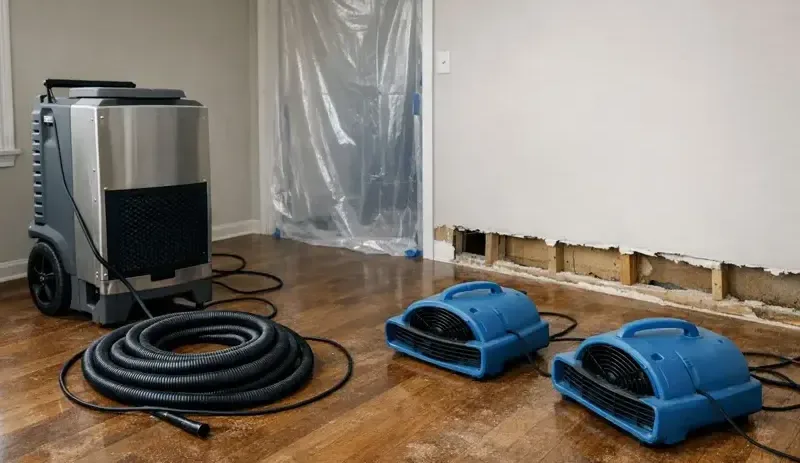
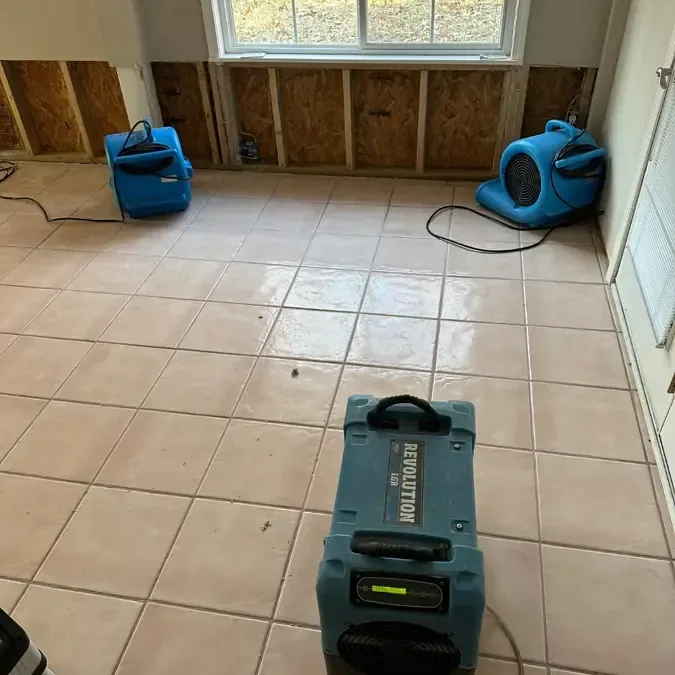
The structure is dried to target readings once the contaminated materials are out.
Storm flood cleanup usually costs $2,500 to $45,000. A garage or one room is at the low end, the first floor sits in the middle, and a whole floor or a business reaches the high end because of the volume of material removed and the length of the drying. Pumping in the first hours keeps the total smaller, since less drywall and insulation take on water.
Ranges are typical, not a quote: the water category, the square footage, the material class and how fast drying started move the number most. For a planning figure on your own loss, try the water damage cost calculator.
The crew checks power, hazards and the depth of the water before pumps and gear are set.
Water, mud and ruined materials go out of the house, starting with the lowest rooms and working toward the doors, so crews are not walking through dirty water.
Surfaces left in place are cleaned and treated before any drying equipment is positioned, which keeps contamination from being blown into clean areas.
Equipment runs until readings reach target, and the logs are shared with the adjuster.
Floodwater is not the same as a plumbing leak. It picks up soil, runoff and bacteria on its way in, so porous materials it touches are usually removed instead of dried. That includes carpet, pad, insulation and low drywall, which act like sponges. The lakes and creek in the area are a reminder of how much water can gather in the area.
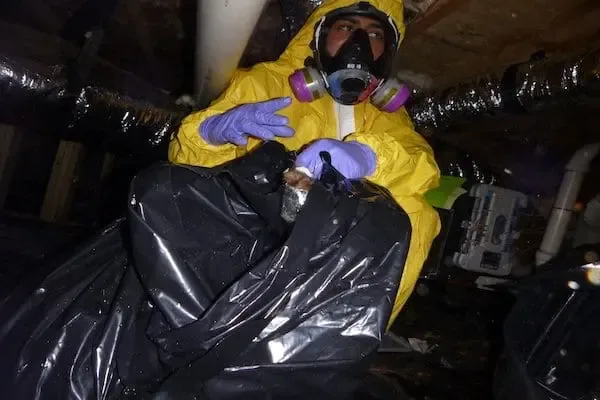
About 40.43% of Wylie's total area is water. Muddy Creek flows through the area, and its valley was a swamp for many years before the reservoir east of town ended the seasonal flooding in the late 1950s. That history is why storm water readiness matters even now. Heavy rain still moves quickly across low ground, and garages and ground floors take the first hit. Crews bring pumps, trash pumps and extractors sized for deeper water, plus protective gear for the contaminated parts of the job.
Floodwater soaks into drywall, insulation and framing, and the longer it stays the more material is lost. Dehumidifiers and air movers dry the structure only after the contaminated materials are out, and daily readings show when the building has returned to normal.
Photograph the water line, the damaged belongings and the debris before cleanup. Share the photos with the adjuster along with the crew's moisture logs and scope. Flood coverage is often separate from a standard homeowner policy, so the insurer should be asked early which part of the loss falls under which coverage. Keep receipts for any emergency purchases too.
Storm flood cleanup covers Wylie homes and shops, including Historic Downtown Wylie, State Route 78 and ZIP code 75098, with crews on call at any hour across Collin County and nearby.
The same service nearby: storm flood cleanup in Princeton, Lucas, Fairview.
This town's water damage hub · every town coveredIt can carry bacteria and contaminants from the ground and from drains, so protective gear and careful removal of porous materials are standard practice.
Usually not. Floodwater soaks carpet and pad with contaminants, so both are removed and the floor beneath is cleaned.
Flood water is dirtier, so more materials are removed and the surfaces left behind need sanitizing before drying.
The creek valley flooded seasonally and was a swamp for many years until the reservoir was built in the late 1950s.
Flood coverage is often separate from a standard policy, so read yours and confirm details with the insurer.
Pumping can begin once it is safe to enter. Drying starts after the contaminated materials have been removed from the rooms, since running fans on dirty surfaces spreads the problem.
Storm water carries mud and bacteria into a home, so cleanup starts with pumping. Call now, any hour, and a Wylie crew will begin removal and drying.