$1,000 to $3,000
Garage or closet only
- Slab extraction
- Wall base dried
- Quick drying run
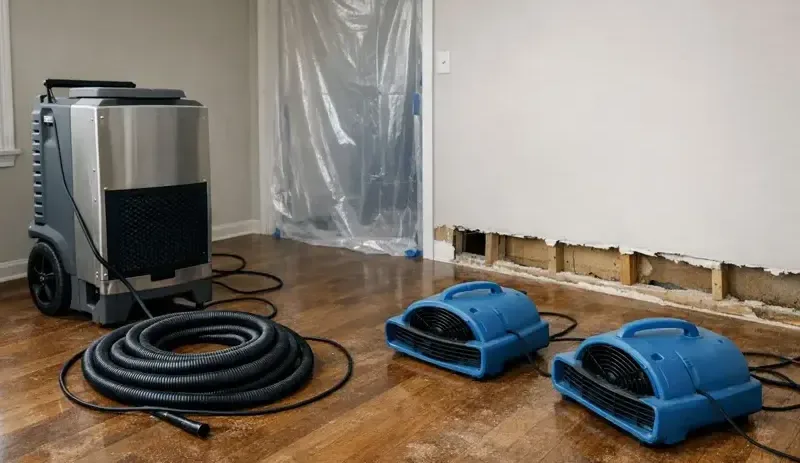
A leaking tank can soak a garage slab, closet walls and the rooms next door before anyone notices. Crews extract the water, open wet walls and dry the floors and framing after the heater is shut off.
(888) 527-9134Heater leaking onto the floor? Call now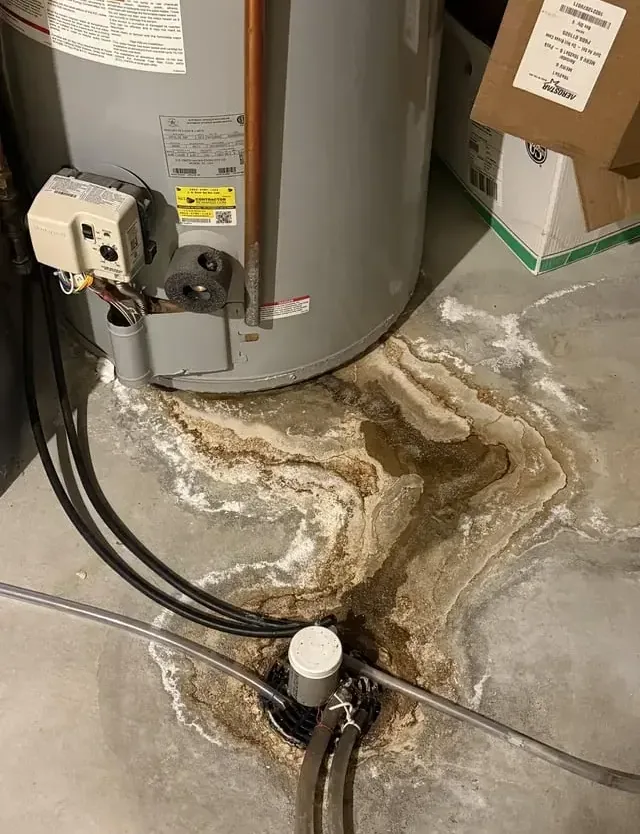
Close the cold water valve above the tank so the leak cannot refill and keep spilling.
Switch off the breaker or gas control for the heater before touching anything near the water.
Move boxes, tools and stored items off the wet area and away from the walls.
Describe how far the water traveled so the right pumps and drying gear are brought.
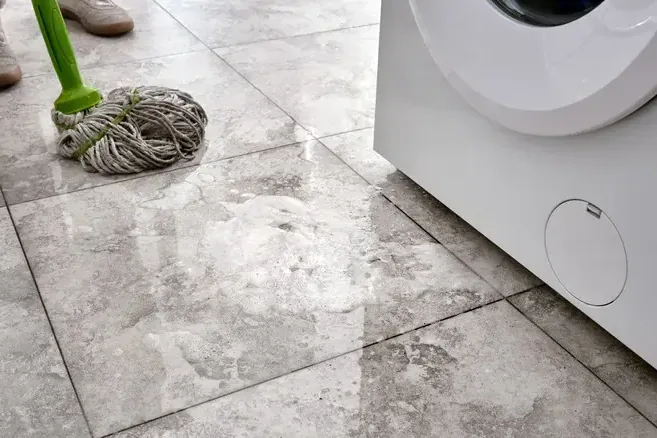
Pumps and squeegee extractors remove water from concrete, tile and carpet near the heater.
Moisture meters test drywall behind the heater and in rooms next to the closet.
Carpet and pad are lifted when needed, while tile and concrete usually dry in place.
Equipment runs until readings are dry, and a final check documents the result.
A water heater leak often costs $1,000 for a garage or closet only, rising to $14,000 when water ran for hours into finished rooms. The route the water took and the flooring it reached matter most. Water that stayed in a garage costs less than water that reached carpet, and the new tank or plumbing work is billed separately by the plumber.
Ranges are typical, not a quote: the water category, the square footage, the material class and how fast drying started move the number most. For a planning figure on your own loss, try the water damage cost calculator.
The crew follows the water from the tank outward with meters, since it often runs under walls into other rooms.
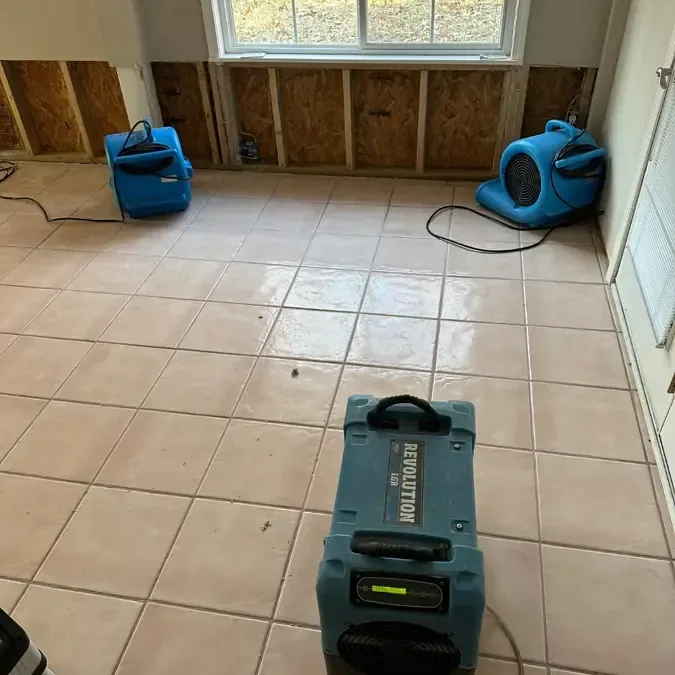
Standing water is removed and wet baseboards or low drywall are cut away where needed so air can reach the studs.
Air movers and dehumidifiers go to the garage, closet and any finished rooms that got wet.
Readings are taken until each material is dry, and the file is closed with photos and a final report.
Water heaters fail in two ways, a slow drip from a fitting or a rupture in the tank itself. A slow leak may soak the floor and wall base for weeks, while a ruptured tank can empty dozens of gallons into the garage or closet within minutes. Either way, the water spreads to anything next to the heater.
The city notes that calcium scale builds up in water heaters, lowering efficiency and reducing hot-water pressure, and that tankless units need yearly maintenance. Scale and sediment also stress a tank over time, so older units are more likely to start leaking. Checking the base of the heater now and then catches small problems early.
The crew extracts standing water, checks wall bases and adjoining rooms with a moisture meter and removes baseboards or drywall that stayed wet. Garage slabs and closet floors dry with air movers and dehumidifiers, while finished rooms next door may need wall-base drying.
A plumber replaces or repairs the heater. The drying crew handles only the water damage and records the readings for the claim. Ask your own insurer whether the tank itself and the resulting damage fall under the same coverage.
The crew covers all of ZIP 75409, from The Villages of Hurricane Creek to homes along 4th Street and the newer streets near Powell Parkway. Garages and utility closets across the ZIP are served alike.
The same service nearby: water heater leak cleanup in Princeton, Melissa, Fairview.
This town's water damage hub · every town coveredLook for puddles, rust streaks, stained floors or a damp wall behind the tank. A slow leak can hide for weeks, so a quick check of the base each month helps.
Concrete itself dries well, but the wall bases, stored boxes and any door into the house can wick water. A quick moisture check shows whether more than the slab got wet.
Yes, cut the cold water supply and the power or gas if you can reach them safely. If the area is flooded or the tank is hot, wait and call for help.
The city says scale builds up in water heaters and cuts efficiency, and long-term buildup can stress an old tank. Replacement is the fix, and the plumber decides when it is due.
It can, usually at a fitting or valve, and the city says tankless units need yearly maintenance. Leaks are generally slower but still soak the wall behind the unit.
Many policies cover sudden tank failures and the damage they cause, but wear and tear is often excluded. Your own insurer can explain how the tank and the water damage are treated.
A leaking tank soaks slabs, walls and the rooms nearby. Extracting and drying quickly protects what the water has not reached yet.