$1,000 to $3,000
Garage or closet only
- Extraction and drying
- Small drywall cuts
- Air movers set
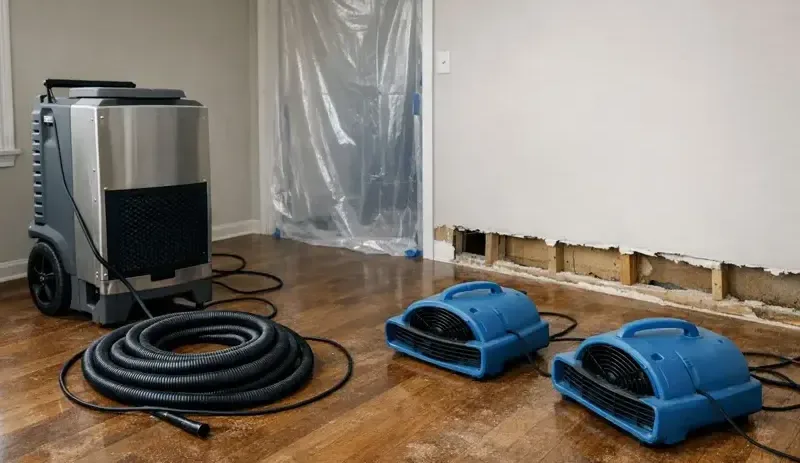
A leaking water heater in a large home can soak flooring and wall bases before anyone sees it. Technicians pump the water, cut out wet drywall and run drying gear until the garage, closet or utility room is dry.
(888) 527-9134Puddle by the tank? Call for the cleanup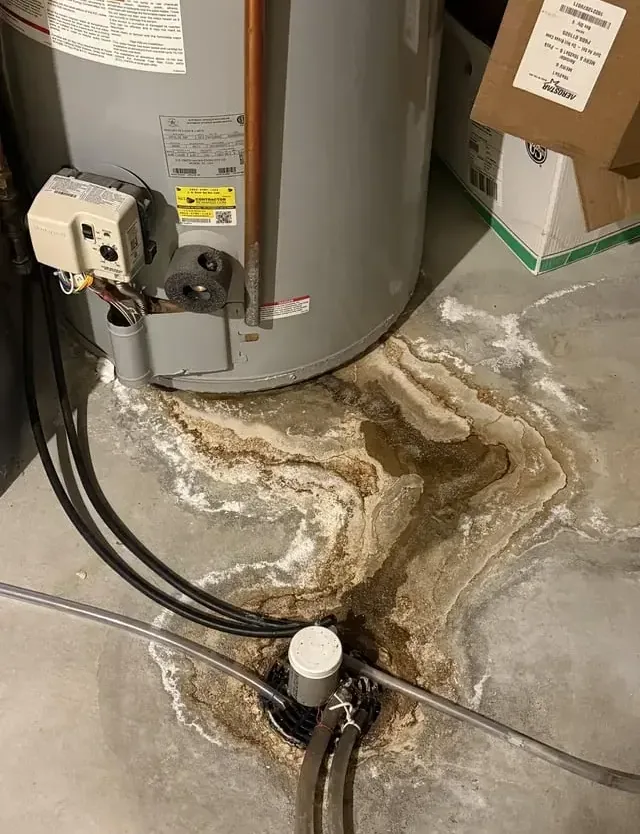
Close the cold water valve above the tank to stop more water entering the heater.
Turn off the electric breaker or the gas control before going near standing water.
Capture the tank, the wet floor and anything damaged for the insurance record.
Describe where the water ran so the crew arrives with the right extraction and drying gear.
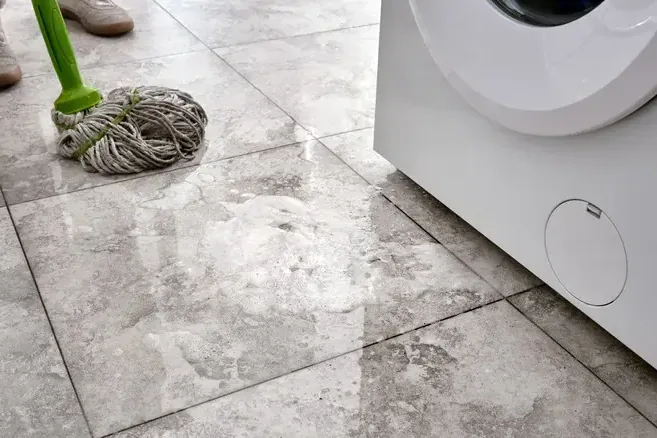
Pumps and wet vacuums clear concrete, tile and carpet near the heater so water stops spreading.
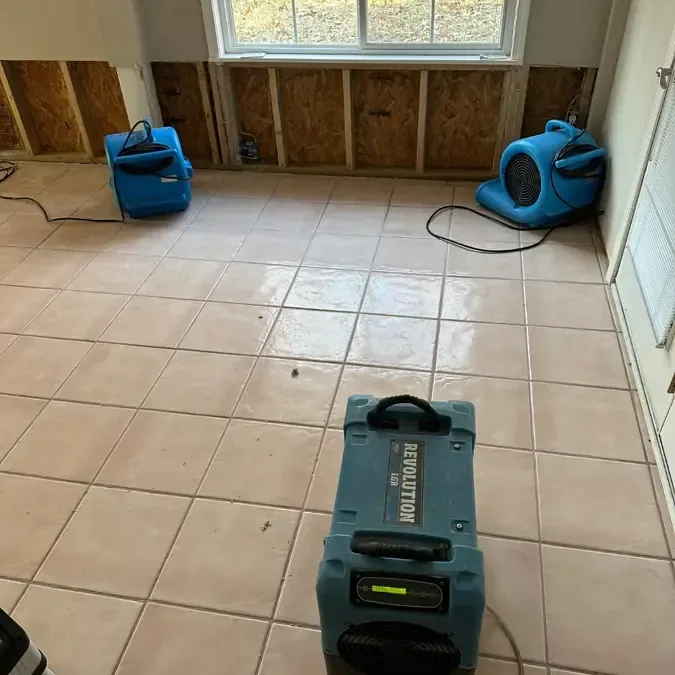
Damp baseboard and low drywall are opened or dried in place depending on the meter readings.
Moisture meters and thermal imaging look for water traveling under flooring into nearby rooms.
Air movers and dehumidifiers run until the readings match dry reference points.
Water heater leak cleanup typically costs $1,000 to $14,000. A leak confined to a garage or closet costs the least, since only a small area is involved, water that reaches the finished house or a ceiling below costs more, and a tank that ran for hours across several rooms moves toward the high end of the range.
Ranges are typical, not a quote: the water category, the square footage, the material class and how fast drying started move the number most. For a planning figure on your own loss, try the water damage cost calculator.
The crew checks that water and power to the tank are off, and it looks for the leak path with meters.
Water is pumped out, and wet baseboard and low drywall are opened where moisture has wicked.
Air movers and dehumidifiers are placed to suit the room, and readings are checked at each visit until it is dry.
Final readings confirm dry materials, and photos and logs are given to the homeowner for the claim.
A water heater can fail slowly or all at once. A rusted tank seam, a loose fitting or a failed relief valve can release a steady stream into a garage, closet or utility room. In a large Fairview home, that water can spread under walls and into flooring before the leak is noticed.
Technicians confirm the water supply to the heater is off, then extract the water and check where it traveled. Drywall at the base of nearby walls is cut a short way up if it has wicked moisture, and flooring is checked for water underneath. Air movers and dehumidifiers then dry the space.
A leaking heater often sits against shared walls, so water follows baseboards into laundry rooms, hallways and bedrooms. Garage slabs dry slowly, and trapped moisture beneath stored boxes or flooring can linger. Fast cleanup limits the spread and keeps a closet-sized loss from turning into a whole-wing project.
Shut the cold water valve to the tank and switch off the power or gas control if you can do so safely. Take photos of the heater, the wet floor and any damaged items. Your insurer may ask for them, so keep receipts for any emergency repairs.
Water heater leak cleanup covers Fairview homes in 75069, including the larger houses of Heritage Ranch and residences near Lake Lavon, plus nearby properties along Highway 75 and Highway 121.
The same service nearby: water heater leak cleanup in Princeton, Lucas, Wylie.
This town's water damage hub · every town coveredClose the cold water valve to the tank and shut off the power or gas control if it is safe. Then call for extraction to stop the water spreading.
It is usually clean supply water, but it can pick up dirt from floors and storage. Wet materials should still be dried promptly.
Yes. A slow leak can soak drywall, flooring and stored items for days before it is seen, and the damage is often larger than the puddle suggests.
Many policies cover sudden leaks and the resulting water damage, but not always the heater itself. Photos and drying logs help the adjuster decide.
Yes. Concrete holds water and releases it slowly, and any walls, boxes or flooring beside the tank can keep moisture trapped.
Extraction is usually done in the first visit, then drying runs for several days. The readings show when walls and floors are back to normal.
Stopping the leak comes first, but cleanup should not wait. Wet materials keep absorbing water until they are dried, even if the heater is being replaced.
Water from a failed tank keeps moving along walls and under flooring. Cleaning it up quickly keeps the damage small.