$800 to $2,500
Small ceiling area
- Meter survey
- Wet insulation removed
- Short drying run
A clogged condensate drain can overflow the pan and drip through the ceiling for days. Crews find where the water went, open wet drywall and insulation and dry the structure around the air handler. The clog itself is cleared by an HVAC tech.
(888) 527-9134Ceiling dripping near the AC? Call now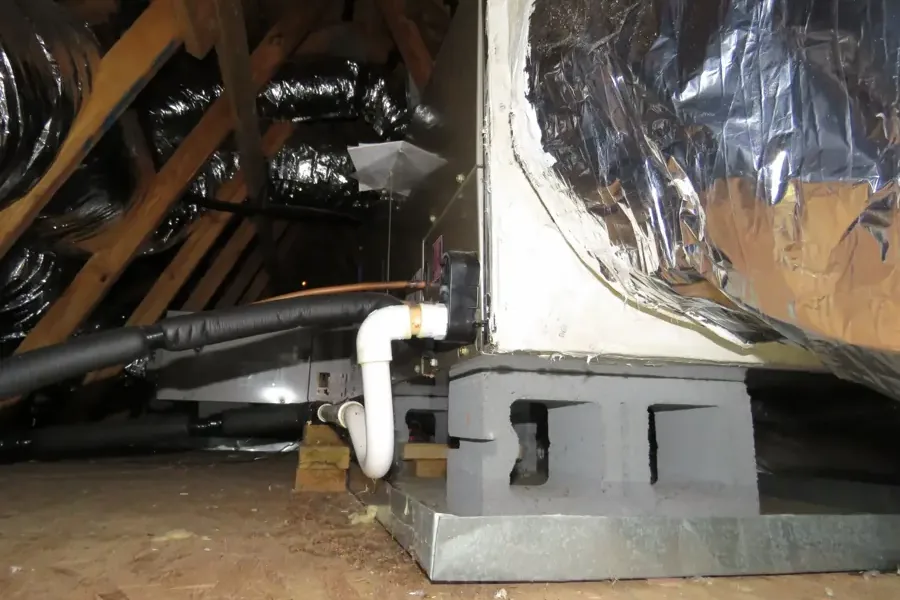
Switch off the air conditioner so it stops producing more condensate while the leak is active.
Place buckets under active drips and move furniture from the area beneath the stained ceiling.
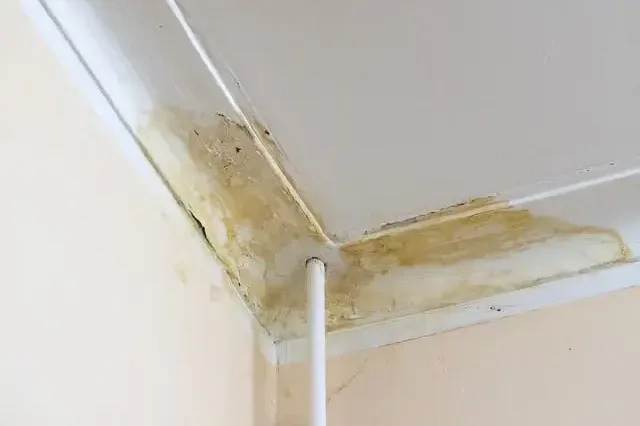
Capture the drain pan, wet ceiling and any dripping insulation before cleanup.
The HVAC tech clears the clog while the drying crew plans extraction and drying.
Meters follow the overflow from the pan through the ceiling and into closets and walls.
Wet insulation near the unit is removed because it holds water against the drywall and bagged for disposal.
Drywall that bulges or holds water is opened so the cavity can dry before it sags into the room below.
Readings confirm the area is dry before ceilings are closed up and repaired.
AC condensate leak cleanup generally runs from $800 for a small ceiling area to $12,000 for a long, slow overflow. The length of time the drain ran and how far the water spread through the ceiling set the price. Final cost also depends on access to the attic or closet where the air handler sits, and the HVAC repair is billed separately.
Ranges are typical, not a quote: the water category, the square footage, the material class and how fast drying started move the number most. For a planning figure on your own loss, try the water damage cost calculator.
The crew checks the pan and follows the water through the ceiling with a meter and thermal camera before any cutting starts.
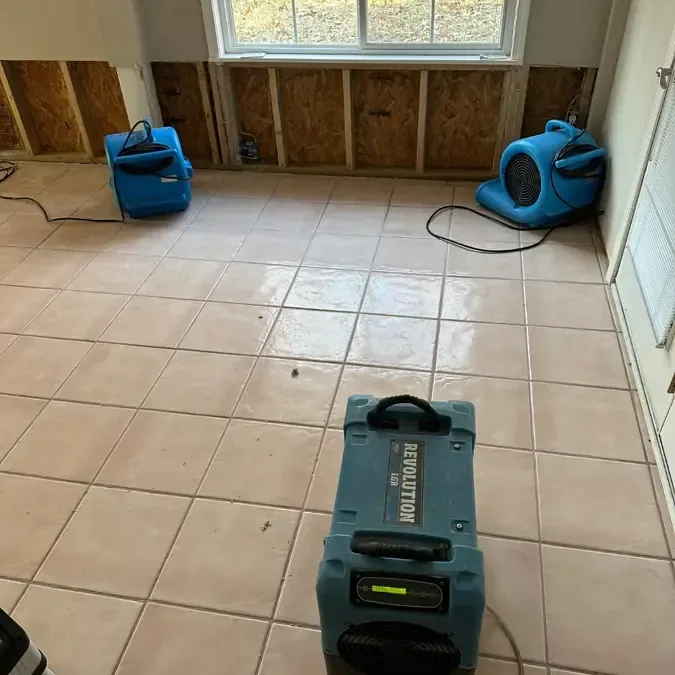
Soaked insulation and swollen drywall come out, while framing is left exposed to dry so nothing damp is left behind.
Air movers and dehumidifiers push moisture out of the attic space, closet and hallway ceiling while meters confirm progress.
Dry readings and photos are saved so the insurer can see the work from start to finish when the dry-out ends.
An air conditioner pulls moisture from the air, and that water leaves through a small drain. When the drain clogs, the pan overflows and the water finds the nearest ceiling, wall or closet. It is a general home risk that shows up wherever the air handler sits, usually in an attic or closet.
Condensate leaks tend to be slow, so ceilings darken gradually and insulation stays wet for days. Because the water is lightly contaminated by dust and algae in the drain, soaked porous materials are removed rather than dried in place. A brown ring on a ceiling or a damp closet wall is a good sign to check. That is why moisture readings, not the surface look of the paint, decide what stays.
The crew finds the overflow path with a moisture meter, removes wet insulation and drywall, and sets air movers and dehumidifiers. Because the leak starts at the air handler, the HVAC contractor clears the clog while the drying crew handles the water damage left behind. Wall bases and closet floors near the unit are tested as well, since condensate often runs down the framing and collects at the baseboard.
Take photos of the pan, the drain and the stained ceiling. Some policies treat slow overflows differently from sudden leaks, so ask your own insurer how the claim should be handled. Keep the drain clear with routine HVAC service, because the same clog tends to come back if the pan and line are left untouched.
The crew covers all of ZIP 75409, including homes in The Villages of Hurricane Creek and the older houses between 4th Street and the downtown depot. The same crew handles every street in the 75409 area.
The same service nearby: ac condensate leak water damage in Princeton, Melissa, Fairview.
This town's water damage hub · every town coveredA clogged drain line or a cracked pan lets water overflow instead of draining away. Dust, algae and age are common causes.
Slow overflows can take days or weeks to leave a stain, while a full blockage may drip within hours. Insulation often hides the water first.
It is usually lightly contaminated rather than clean, so porous materials such as insulation and drywall are removed rather than saved.
Yes, and it should be. The HVAC tech fixes the clog so the leak stops, and the drying crew handles the damage.
Only the wet section, in most cases. The crew opens the area, dries the framing and the repair replaces the removed drywall.
Coverage depends on the carrier and on whether the leak was sudden or gradual. Your own insurer can explain how the policy treats this kind of loss.
A clogged drain keeps filling the pan and soaking the ceiling. Drying the wet drywall and insulation early limits the repair.