$1,000 to $3,500
One ceiling area
- Wet insulation removed
- Ceiling section dried
- Short drying run
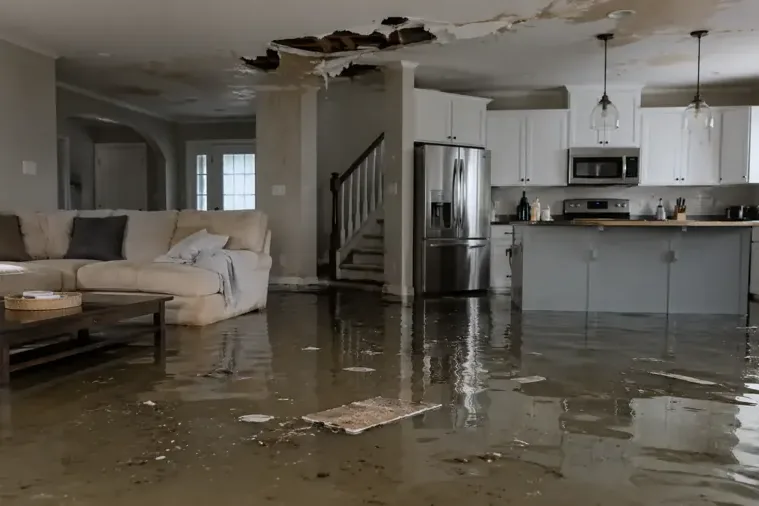
Wind and heavy rain can open a roof and send water into the attic, down walls and across ceilings. Crews dry the interior while a roofer handles the repair on top. Interior drying starts once the opening is covered.
(888) 527-9134Rain coming through the roof? Call now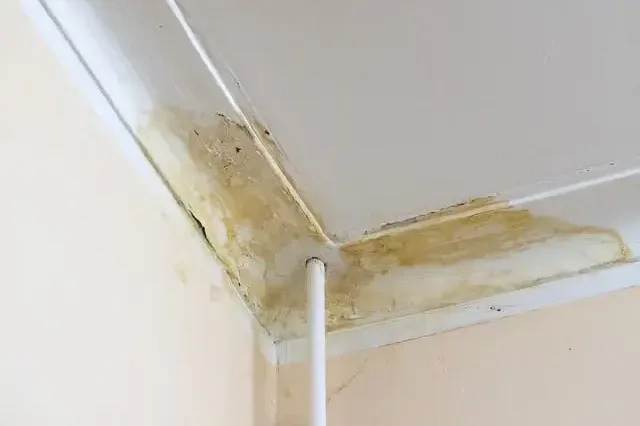
Move furniture away from stains and place buckets under drips while the rain is still falling.
Take pictures of ceiling stains, dripping spots and any visible roof openings from the ground.
A roofer can cover the opening so no new rain enters the attic during the dry-out.
Report which ceilings are wet so the attic and rooms below can be dried together.
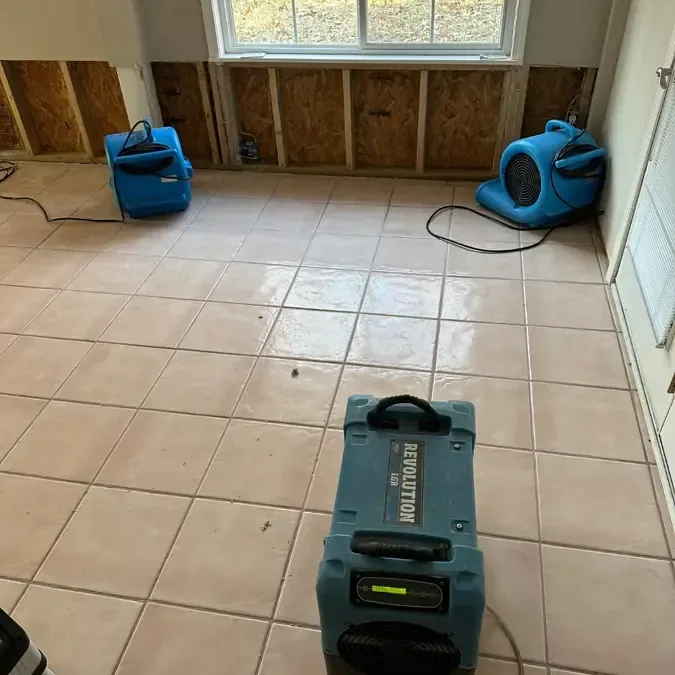
Wet insulation is removed and rafters are dried with air movers and dehumidifiers.
Drywall holding water is cut open to drain and dry before it fails.
Meters test the tops of walls where roof water often runs down.
Photos and logs tie the interior damage to the storm event.
Roof leak water damage typically costs from $1,000 for a single ceiling area to $18,000 when water reaches the attic and two floors. The size of the opening, the rainfall and how long the insulation stayed wet drive the figure. Roof repair is billed by the roofer, and larger wet attics add equipment days.
Ranges are typical, not a quote: the water category, the square footage, the material class and how fast drying started move the number most. For a planning figure on your own loss, try the water damage cost calculator.
The crew follows the water from the attic down through ceilings and wall tops with meters and wall tops.
Insulation and saturated drywall are removed so air can reach the framing before they can sag further.
Equipment runs in the attic and rooms below until the readings drop to the dry goal with checks at every visit.
Final readings and photos are saved for the insurance claim and the roofer.
Severe spring storms are part of Anna's weather record, including the storm of May 9, 2006 that produced two tornadoes nearby. Wind and hail can lift shingles, loosen flashing and let rain into the attic. The damage inside often shows up as a stain days later, after the insulation has already soaked.
Rain enters at the opening and runs along rafters, soaking insulation before it reaches the ceiling below. Once drywall is saturated, the stain spreads and the ceiling can sag. Water also travels down wall cavities, so a leak in one corner can wet a room far from the opening. Dark stains that grow after each rainfall usually mean the attic is still taking on water.
A roofer tarps and repairs the opening so no new rain enters. The drying crew then removes wet insulation, opens ceilings that hold water and runs air movers and dehumidifiers until the readings are dry. Doing both in the right order keeps the interior from getting wet again. Skipping the roof repair means the ceiling gets wet again, so the order of work matters more than the speed.
Photos of the roof damage, the ceiling stains and the attic help the adjuster. Roof coverage can differ from interior water coverage, so ask your own insurer how the claim is handled.
The crew covers all of ZIP 75409, from The Villages of Hurricane Creek to the homes near US 75 and the older roofs around the downtown depot. Houses on every street in the ZIP are covered.
The same service nearby: roof leak water damage in Princeton, Melissa, Fairview.
This town's water damage hub · every town coveredThe sooner the better, because wet insulation and drywall can sag within days. Drying starts once the roof opening is covered.
Fans help a little, but trapped moisture in insulation and rafters needs dehumidifiers and meters to confirm it is dry.
Hail and wind can both open a roof. The leak shows up as a ceiling stain, and the roofer finds the actual opening.
If it is sagging or holding water, yes. A small stain may dry without opening much more than a section.
Coverage differs by carrier and policy. Ask your own insurer how the roof and the interior damage are treated.
Most jobs run several days, longer when insulation is thick or water spread across multiple rooms.
Roof water soaks insulation and drywall until it is dried. Quick drying limits how much of the ceiling has to be replaced.