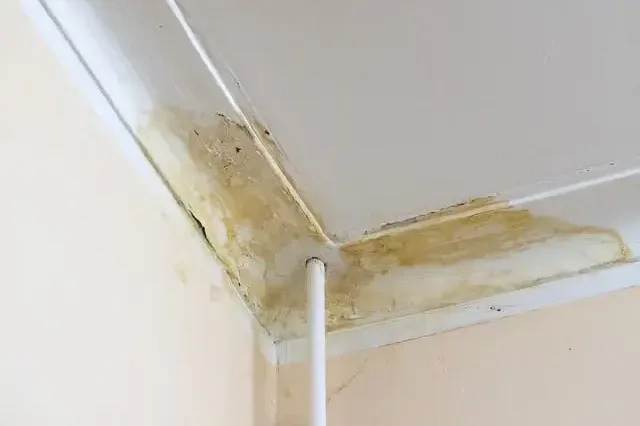
Hail does not always send water through a roof on the day it falls. Cracked or bruised roofing can hold up for a while and then let rain through at the first big storm. The April 2016 hailstorm that touched most homes here is a reminder.
Key takeaways
- On April 11, 2016, a hail storm with softball-sized stones struck Wylie and damaged an estimated 80% of homes.
- The storm caused over $240 million in damage, so roof problems across the city have had a long history.
- Hail can crack or bruise roofing without making a visible hole, so leaks may start later.
- Wet attic insulation and ceilings show up as stains, sagging or a musty smell.
- A roofer repairs the roof, and a restoration crew removes wet material and dries what it touched.
The Storm Wylie Remembers
A hail storm with softball-sized hailstones struck Wylie on April 11, 2016 and damaged an estimated 80% of homes. The storm caused over $240 million in damage.
Repairs after a storm that large took a long time, and roof work across the city came in waves. Some roofs were replaced soon after, while others were patched, and some problems stayed hidden.
How Hail Damage Turns Into a Leak
Hail strikes can bruise shingles, crack their surface and knock loose the granules that protect them. The roof may look intact from the street.
Roof age also matters. A roof that was already near the end of its life when the hail arrived has less margin, and the first serious rain afterward can find it.
- Bruised shingles with missing granules.
- Dented vents, caps and flashing.
- Cracked or lifted edges along the ridge and eaves.
Slow deterioration
A weakened shingle ages faster in sun and rain. After a season or two, water can find a path through the damaged spot.
Flashing, vents and edges
Metal flashing around vents, chimneys and valleys can bend or loosen under impact. These are the first places where water slips past a roof.
Signs the Attic Is Taking On Water
Wylie has a subtropical climate with hot, dry summers and cold, mild, rainy winters. Rain that finds a weak spot can wet the attic well before a stain appears below it.
A homeowner who climbs into the attic after rain may see the early signs before they show on the ceiling.
- Dark or damp patches on the underside of the roof deck.
- Insulation that looks flattened, clumped or discolored.
- A musty smell near the attic hatch.
- Water stains on a ceiling that grow after rain.
What a Restoration Crew Does
The roofer fixes the roof, and the crew handling roof leak water damage deals with the water it let in. The two jobs work best when they are coordinated.
First, wet insulation is removed, since it holds water against the ceiling and drying it in place is rarely practical. Then the underside of the roof deck and the framing are checked with a moisture meter.
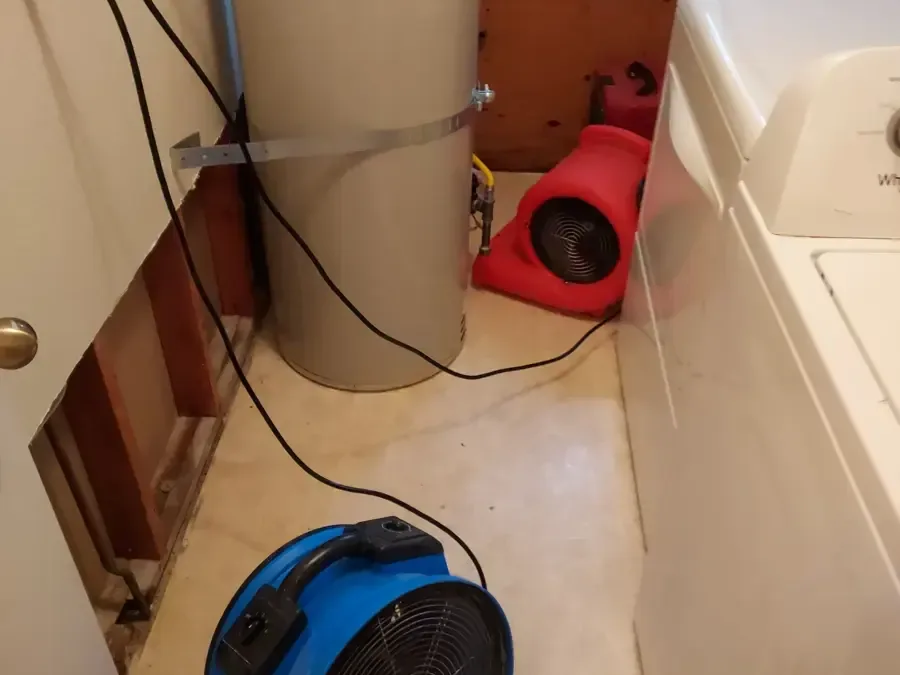
Ceilings that are wet, sagging or stained are cut back to dry material, and the open area is dried with air movers and dehumidifiers.
Coordination saves time. A roofer who tarps the damaged area first lets drying begin without fresh rain adding to the problem.
Why Old Hail Damage Still Matters
A roof that took hits years ago may have been patched, and a patched roof is not always a repaired roof. Granule loss and cracked mats keep wearing even when no hole is visible.
That is one reason leaks here can seem to come out of nowhere in a moderate storm. The damage was already there, and the rain only revealed it.
Homes built in recent decades are common here, since Wylie grew from 15,132 residents in 2000 to 57,526 in 2020. Many roofs belong to younger houses, which can make a sudden leak feel surprising.
A Roof and Attic Checklist for Homeowners
A short seasonal routine helps a homeowner catch trouble early. None of it requires climbing onto the roof.
- Look at the ceilings in each room after a hard rain for new stains.
- Check the attic with a flashlight for damp wood or dark insulation.
- Look at the yard for shingle pieces or granules after a hailstorm.
- Clear gutters and downspouts so water does not back up at the eaves.
- Take dated photos so changes are easy to spot.
Documenting a Storm Leak for the Insurer
Insurance claims go more smoothly when the story is clear. Dates, photos and repair records tell it better than memory.
Keep the roofer's report, the restoration crew's moisture readings and photos of the damaged ceiling together in one folder.
- Note the date of the storm and the first sign of water.
- Keep receipts for tarping and emergency repairs.
- Ask the restoration crew for written moisture readings.
- Do not discard damaged materials until the insurer has seen photos.
When the Ceiling Has Already Been Hit
Once water reaches a ceiling, drywall can soften in a few days. A sagging section should be left alone and kept clear, and a bucket placed under it.
The ceiling leak water damage page walks through how a ceiling is opened, dried and prepared for repair. Finishing work, such as new drywall and paint, comes only after readings show everything is dry.
- Place a bucket or tarp beneath the leak and move furniture.
- Photograph stains and attic conditions before cleanup.
- Do not poke the ceiling unless the area is clear of wiring and people.
- Keep a record of storm dates and repair work for the insurer.
Checking the Roof After Severe Weather
Spring storms are the classic season for hail in North Texas, and a quick roof inspection after any hail event is cheap insurance. Many homeowners schedule one after the first big storm of the year.
The Wylie page lists the other water problems that homes here deal with, from burst pipes to storm water.
Questions
Can hail damage cause a leak months later?
Yes. Bruised or cracked roofing can hold up through light weather and then let water through during a hard rain.
Who fixes the roof and who dries the attic?
A roofer repairs the roof itself. A restoration crew removes wet insulation, dries the framing and ceilings and documents the moisture.
What does wet insulation look like?
It often looks flattened, clumped or darker than dry material, and it may smell musty.
Should a sagging ceiling be popped?
Only if the area is clear of wiring and people. Otherwise keep clear and have a crew release the water in a controlled way.
When is the best time to check a roof?
After any severe hail or wind event, and ahead of spring storm season.
Does a patched roof fully protect the attic?
Not always. Patches cover a spot, while hail can weaken a wider area that may leak later.