Sewage coming up through a tub or floor drain is stressful anywhere, and it works differently when the home is not on a city sewer. Most homes here rely on private septic systems on large lots. That changes who handles the tank and what a homeowner does in the first moments.
Key takeaways
- Most homes here are not on a public sewer system, so there is no city main to report a backup to.
- Stop using water in the house, because every flush and shower adds more sewage to the problem.
- Sewage water is hazardous, so children, pets and bare hands should stay away from it.
- A septic service looks after the tank, while a cleanup crew removes sewage from floors, walls and contents.
- Porous items that touched sewage, such as carpet and padding, usually cannot be saved.
Why a Septic Home Is Different
The city's inspection FAQ requires Septic Tank Approval from Collin County before a Certificate of Occupancy, which shows how common private systems are here. One local real estate page says Lucas has no public sewer except in the commercial area on the far west side.
That means a homeowner usually cannot call a city utility for a backup in the home. The tank and the drain field belong to the property, and the fix starts there.
Signs the System Is Backing Up
A backup rarely arrives without warning. The signs appear slowly and often start at the lowest drain in the house.
Noticing the pattern early gives a homeowner time to call a septic service before sewage reaches living space. A single slow drain may be a simple clog, while several at once point to the tank or the drain field.
- Drains that gurgle or empty slowly across several fixtures.
- Sewage odor inside the house or near the tank lid outdoors.
- Dark water coming up in a shower, tub or floor drain.
- A wet, soft patch of ground near the tank or drain field.
The First Steps Inside the House
Quick action limits how far contamination spreads. These steps help while the call to a septic service and a cleanup crew is made.
Stop adding water
Avoid flushing, running the dishwasher or doing laundry. Every gallon sent down a drain adds to what is already coming back up.
Protect people and belongings
Keep children and pets out of the wet area. Wear waterproof boots and gloves if anything must be moved, and lift items off the floor only if they can be done safely.
Who Handles What
Two kinds of help are usually needed. A septic service inspects and pumps the tank and finds the cause of the blockage, while a crew trained in sewage backup cleanup removes sewage from the house.
The City of Lucas Public Works & Engineering department handles city utilities and water service, so it is the contact for water questions rather than for a private tank.
- Septic service: tank, pump, pipe to the field.
- Cleanup crew: floors, walls, cabinets, contents and drying.
- Insurance company: ask which part of the loss the policy covers.
What Sewage Cleanup Involves
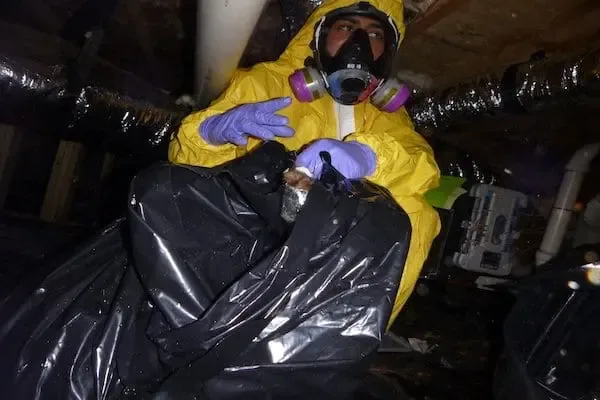
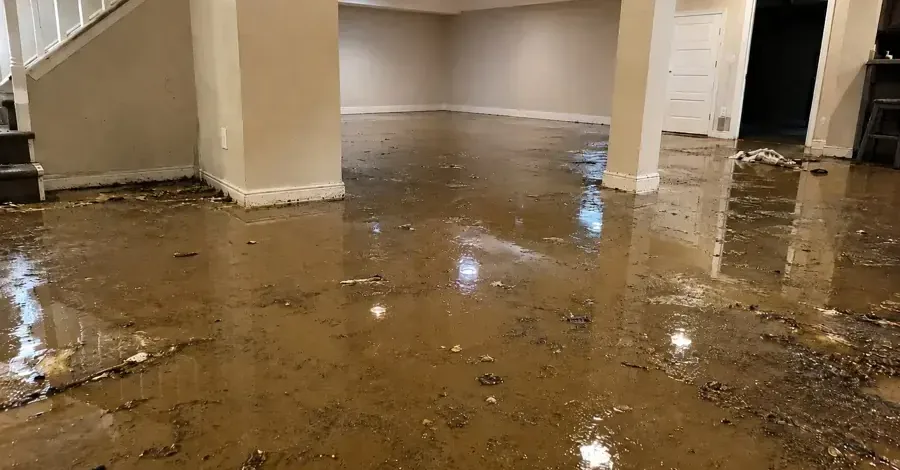
Sewage water is treated as the highest level of contamination. Crews wear protective gear, extract the liquid, and remove porous materials that cannot be cleaned.
Carpet, padding and the lower section of drywall often come out. Hard surfaces are cleaned and disinfected, and then the area is dried with air movers and dehumidifiers.
Because the water is hazardous, rushing back in without protection is not worth the risk. Gloves, boots and a mask are the minimum for anyone who must enter, and children and pets stay out until the area has been cleaned and dried.
- Extract standing sewage and rinse the affected area.
- Remove carpet, padding and wet low drywall.
- Clean and disinfect hard surfaces and framing.
- Dry the cavity and floor, then recheck with moisture readings.
Documenting the Loss for an Insurance Claim
Clear records make a claim easier to explain. Photos and notes should be gathered before cleanup removes the evidence.
A crew from the sewage backup cleanup team can add moisture readings and a written scope of work for the insurance company.
The city has two parks, Kenneth R. Lewis Park and Lucas Community Park, and the rural feel carries through to the yards that surround each house. Those open yards can hide a wet patch for a while, so a quick look around the tank lid after heavy use is worthwhile.
- Photograph the affected rooms, drains and any visible sewage.
- List damaged furniture, rugs and stored items.
- Keep the receipts for septic service and cleanup work.
- Write down the date and time the problem was first noticed.
Cutting the Risk of the Next Backup
Most septic problems build up slowly, and everyday habits matter. A little care keeps solids and grease out of the tank and the drain field working.
Heavy water use in a short span can also overload a system, so spacing out laundry helps.
- Have the tank inspected and pumped on a regular schedule.
- Keep wipes, paper towels and grease out of the toilets and drains.
- Spread laundry across the week instead of one big day.
- Keep vehicles and heavy equipment off the drain field.
- Note the tank lid location so a service can find it quickly.
Water Service Versus Septic Service in the City
The city asks residents to follow its outdoor watering schedule and calls water conservation critical. Heavy watering near the drain field adds moisture where the system is already working.
A homeowner who sees a wet patch near the field after heavy watering should call a septic service before blaming the house plumbing.
Large Lots and Older Neighborhoods
Lucas keeps a rural feel with open land and large lots. The Estates at Austin Trail has about 60 houses built between 2001 and 2006 on lots averaging about 1 acre, and Glenbrook Estates has homes mostly built between 1980 and 2005 on lots averaging about 2 acres.
With a house set well back on its lot, a backup may run for a while before anyone notices. Checking the lowest drains after heavy use is a good habit, and the Lucas page lists the other water problems that homes here deal with.
Questions
Should a homeowner call the city about a sewage backup?
Most homes here are on septic rather than public sewer, so the tank is the homeowner's to service. The city's Public Works department handles water service and city utilities.
Is it safe to stay in the house during a backup?
Small spills in one bathroom can be isolated, but larger ones are best avoided. Keep children and pets away and stop using water.
Can carpet that touched sewage be saved?
In most cases no. Carpet and padding absorb contaminated water and are removed.
Will the cleanup crew pump the septic tank?
No. A septic service handles the tank, and the cleanup crew removes sewage from the house.
How is a floor dried after sewage is removed?
The area is cleaned and disinfected, then air movers and dehumidifiers dry it until moisture readings return to a dry reference level.
Can heavy watering outdoors affect a septic system?
It can add extra moisture around the field, so following the city's watering schedule helps. Persistent wet spots call for a septic inspection.