$1,200 to $4,000
One line, caught quickly
- Short extraction
- Wall base opened
- Brief drying run
Ice can crack a pipe without any sign, and the flood often starts when the thaw arrives. Crews extract the water, open wet walls and attics and dry the structure after the plumber repairs the break.
(888) 527-9134Pipes thawed and leaking? Call now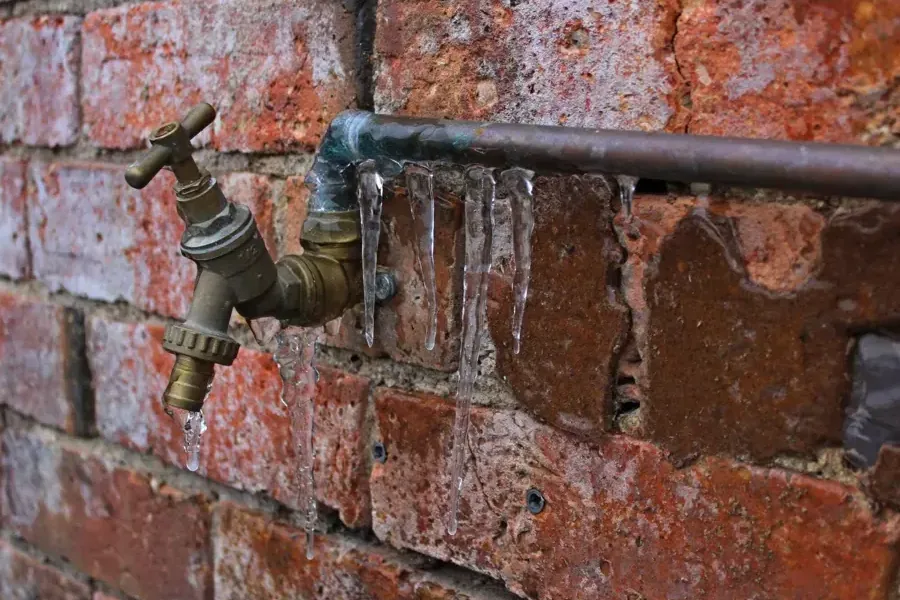
Close the main valve as soon as you find water, then open faucets to drain remaining pressure.
Keep out of rooms with sagging drywall and switch off breakers for any wet circuits.
Capture the cracked pipe, wet insulation and water stains before anything gets removed.
The plumber fixes the split while the drying crew plans extraction and attic work.
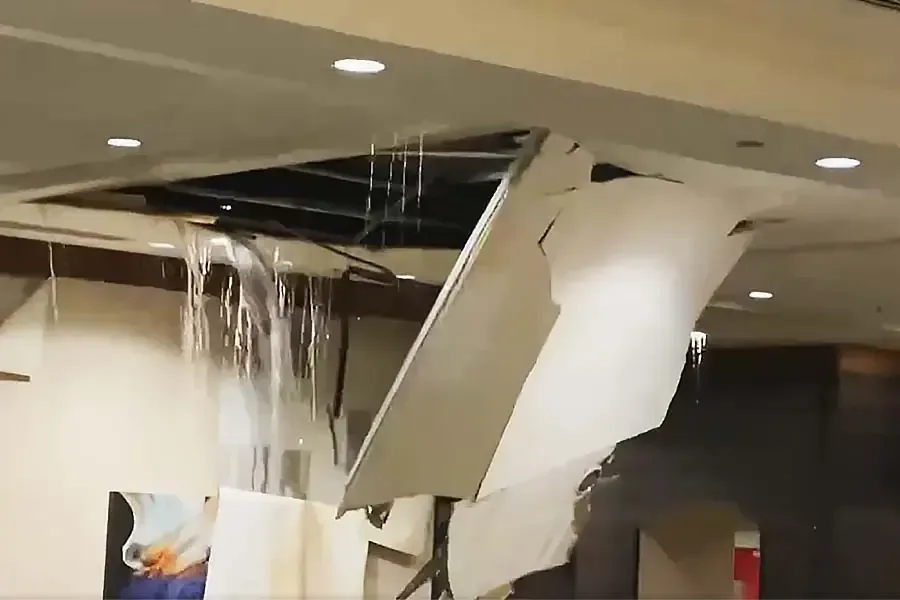
Wet insulation is removed and ceiling drywall that holds water is opened to drain and dry.
Pumps and extractors clear water that came through ceilings onto floors and carpet.
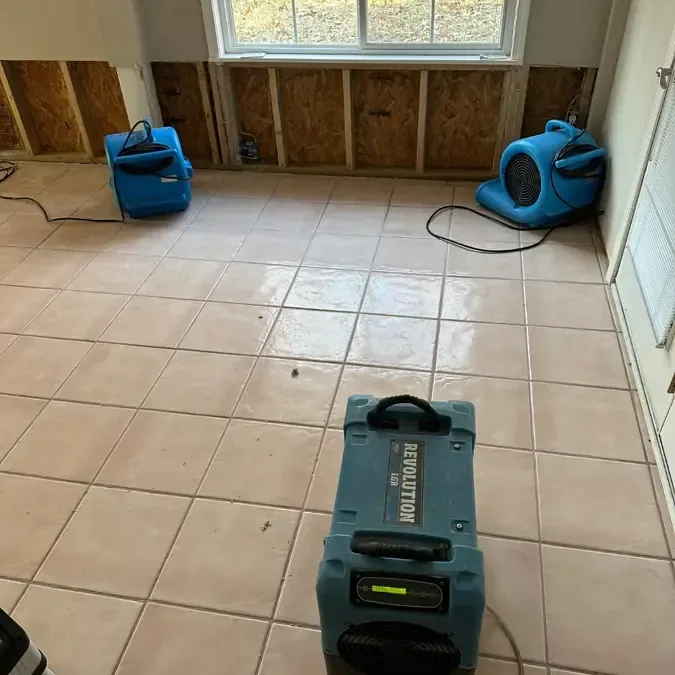
Exterior wall bases are opened where pipes split so air can reach soaked framing.
Dated readings document the loss and show when each area reached its dry goal.
Frozen pipe damage generally costs from $1,200 for one pipe caught quickly to $18,000 when water ran through an empty house. Attic access, ceiling damage and how long the leak ran decide where a job falls. Attic insulation, ceiling damage and how long the water ran before the main was closed push a job toward the upper end, while plumbing repair is separate.
Ranges are typical, not a quote: the water category, the square footage, the material class and how fast drying started move the number most. For a planning figure on your own loss, try the water damage cost calculator.
The crew starts after the water is off and the plumber has repaired or isolated the cracked pipe and the area is confirmed safe.
Standing water and soaked insulation come out first, followed by drywall that cannot dry in place.
Dehumidifiers and air movers run on the attic, ceilings and wall cavities until readings fall, with checks at each visit.
Final readings, photos and equipment logs are collected for the insurance file and shared with the adjuster.
North Texas gets freeze nights now and then, and a pipe in an attic, exterior wall or garage can crack when the water inside turns to ice. The crack often stays hidden until the temperature rises and water starts flowing. Then the damage appears quickly in ceilings, walls and floors below the break. Hose spigots on exterior brick are a common first spot, because the metal holds cold longer than the wall.
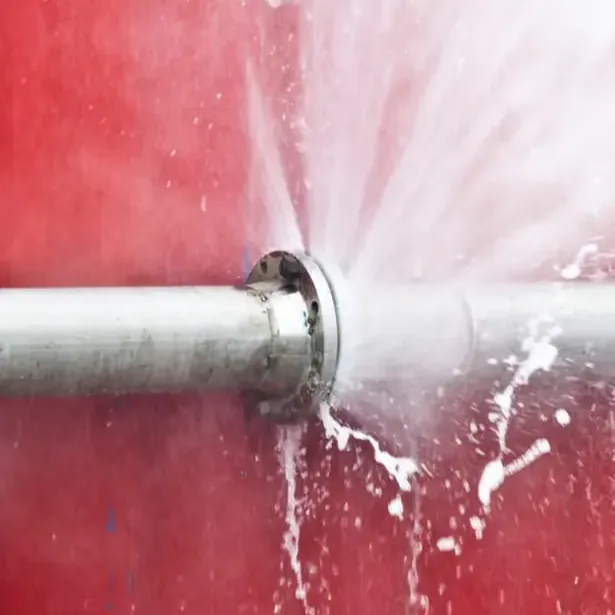
A frozen pipe holds water back like a plug. When it thaws, a split along the pipe lets the full supply pressure through, and water can run for hours in an empty house or a closed-off attic. Insulation soaks it up, ceilings fill, and drywall below sags before anyone sees a stain.
After the plumber stops the flow and repairs the pipe, the crew extracts water from the floors, removes wet insulation and opens ceilings that hold water. Air movers and dehumidifiers then dry the framing, with readings taken each visit until the structure meets its dry goal. Water that fell from the attic often hides above the ceiling for days, so a thermal camera sweep is done before the crew leaves.
Freeze damage is usually a sudden loss, but terms differ between carriers. Photograph the cracked pipe and the wet areas, keep plumber receipts and ask your own insurer how the claim should be filed.
The crew covers all of ZIP 75409, from The Villages of Hurricane Creek to the older homes near the depot and the commercial corridor along US 75. Every street in the ZIP is served.
The same service nearby: frozen pipe water damage in Princeton, Melissa, Fairview.
This town's water damage hub · every town coveredNo. Many homes get through cold nights without damage, but pipes in attics, outside walls and garages are at higher risk when the temperature drops for a long stretch.
Usually not. A crack stays open after the ice melts, and water pours out at full pressure. Closing the main valve is the quickest way to limit the damage.
It soaks insulation, then drips through ceilings and runs down walls. By the time a stain shows, a good amount of drywall and insulation may already be wet.
A slow drip can keep water moving and lower the chance of ice, though it does not always work. Insulating exposed pipes and knowing where the main valve sits helps more.
Rarely. Water trapped in insulation and framing does not leave quickly, and untreated damp materials keep deteriorating. Equipment and readings are the reliable route.
Many policies do for sudden pipe breaks, though terms differ and some require heat to have been kept on. Your own insurer can explain how your policy handles it.
Thaw water keeps soaking attics and walls until the pipe is repaired and dried out. Early drying limits what has to be replaced.