$1,500 to $4,500
One or two rooms
- Extraction and pad removal
- Spot drywall cuts
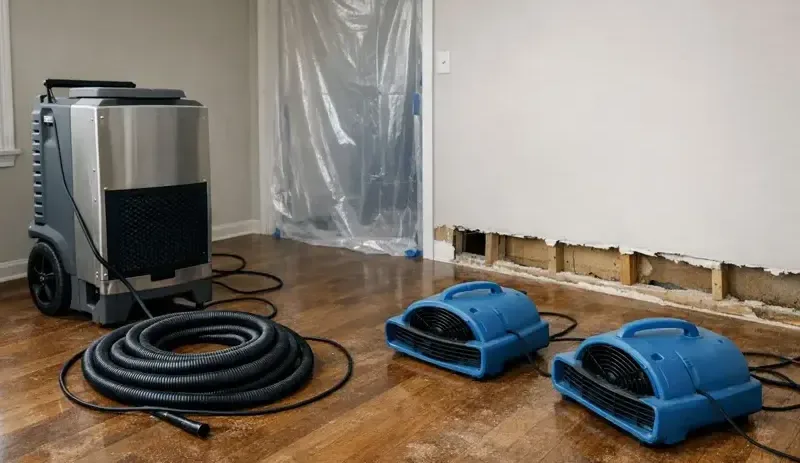
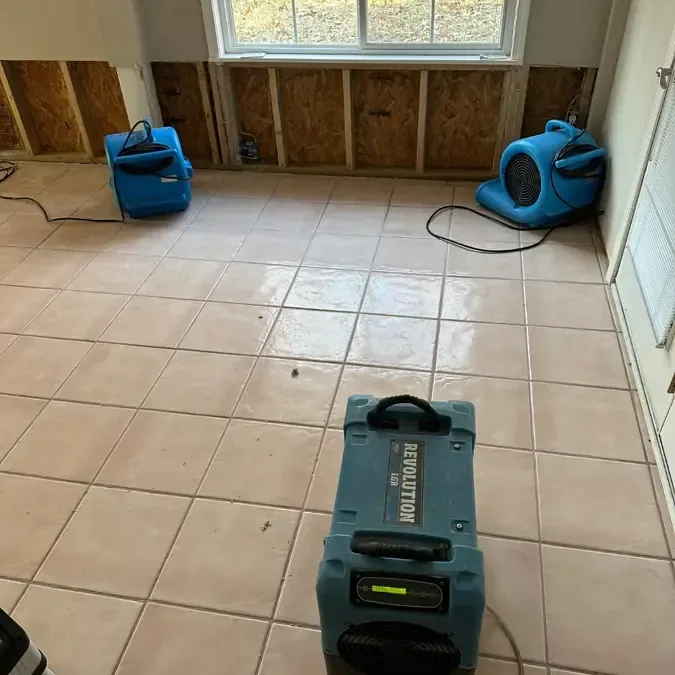
- Air movers and dehumidifier
A burst supply pipe can flood a floor fast, and larger homes carry more pipe inside walls and ceilings. Technicians extract the water, open wet drywall and insulation, and dry the structure once the main is shut.
(888) 527-9134Water still spraying? Shut the main, then call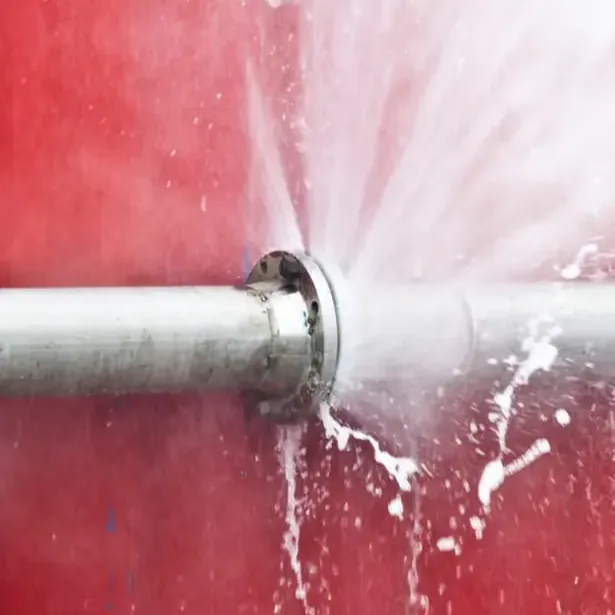
Turn off the main water valve to stop the flow, then switch off power to wet areas if it is safe.
Open a low faucet to drain the pipes, which limits how much more water escapes at the break.
Record the break, the wet rooms and damaged belongings before moving or discarding anything at all.
Share which rooms are wet and whether a ceiling sags so the crew can plan extraction and demolition.
Pumps and wet vacuums clear floors and subfloors so the soaked pad can be removed quickly.
Wet drywall, insulation and baseboard are cut out only where the meters show moisture, which protects dry finishes.
Thermal imaging looks for water pooled above a ceiling that still looks fine from below.
Air movers and dehumidifiers run until readings match dry reference points on untouched materials.
Burst pipe water damage generally costs $1,500 to $20,000, depending on how many rooms were wet and how long the pipe ran. A quick shutoff with only one or two rooms wet stays near the low end, while a long break that reaches ceilings, walls and several floors moves toward the high end of the range.
Ranges are typical, not a quote: the water category, the square footage, the material class and how fast drying started move the number most. For a planning figure on your own loss, try the water damage cost calculator.
The crew confirms the pipe is shut off, and it maps wet rooms with meters and thermal imaging before work starts.
Standing water is pumped out, and wet pad, insulation and drywall are cut away where moisture has wicked.
Air movers and dehumidifiers go in on a layout built for the rooms, and the crew checks readings at every visit.
Final readings show the materials are dry, and photos and logs go to the homeowner for the claim file.
A burst pipe is one of the fastest ways to flood a house. Pressurized water pours from the break until the main is shut, running down wall cavities, through ceilings and across floors. The February 2021 Texas freeze caused widespread burst pipes across the state, and larger homes simply have more supply pipe exposed.
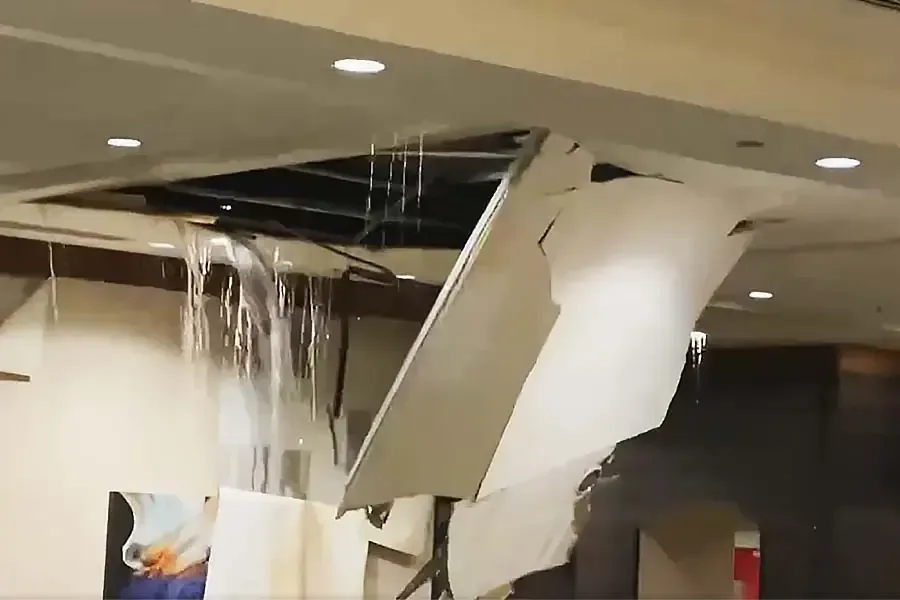
After the shutoff, technicians extract standing water and check the ceiling below for sagging or staining. Wet drywall and insulation are cut out where moisture has wicked upward, which keeps dampness from lingering in the wall. Meters and thermal imaging then mark the wet zones for air movers and dehumidifiers.
Water from a supply pipe starts out clean, but wet drywall, pad and insulation can sour if they stay damp, so quick removal protects what is still dry. When the break was in an attic or upper wall, water can travel to rooms far from the pipe itself.
Many policies cover sudden pipe bursts, though coverage depends on the policy. The crew photographs the damage, saves moisture readings and lists removed materials so the adjuster has a clear record. Homeowners should still confirm the details with their own insurer.
Burst pipe cleanup covers homes across Fairview and the 75069 ZIP, including Heritage Ranch and the streets near the Villages at Fairview, Highway 75 and Highway 121, in single-story and larger multi-room houses alike.
The same service nearby: burst pipe water damage in Princeton, Lucas, Wylie.
This town's water damage hub · every town coveredYes, closing the main stops the flow right away. Then call for extraction, because water keeps soaking drywall and flooring while the pipes are drained.
Yes. Water from an attic or upper wall runs down through ceilings and light fixtures, so stains, sagging or drips below the break need prompt attention.
Not always. Drywall that stayed damp only briefly can often be dried in place, but sagging, soft or long-wet panels are cut out and replaced.
The February 2021 freeze caused widespread burst pipes across Texas. Ice expands inside a pipe and splits it at the weakest point.
Many policies cover sudden pipe breaks, but terms differ. Photos, moisture logs and a list of removed materials give the adjuster a clear record.
Most dry-outs run several days, depending on the rooms affected and the materials. Readings at each visit show when walls and floors reach the dry goal.
Fresh supply water is usually clean, but it can turn unsafe if materials stay wet. Prompt removal keeps it from becoming a bigger cleanup.
Water in the ceiling and walls keeps spreading until the structure is dried. Calling early limits how many rooms are involved.