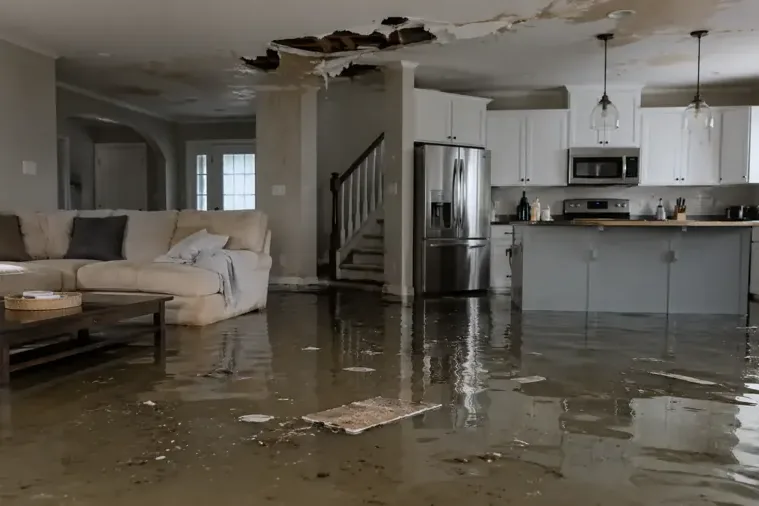
A garage that floods after a downpour is often the first sign that runoff has run out of places to go. In Princeton, where new streets, roofs and driveways keep replacing open ground, that sign deserves a close look. This post explains where the water comes from, what a homeowner does first, and how storm water is removed and dried.
Key takeaways
- The watershed here begins at Tickey Creek and ends at Lake Lavon, so rain has a short trip before it reaches larger water.
- New pavement and roofs shed rain faster than open ground, which raises runoff during heavy storms.
- City storm sewers drain to Lavon Lake untreated, so floodwater that enters a house is handled as contaminated.
- Photograph everything, stay out of standing water near outlets and move belongings to higher shelves.
- Early extraction and drying of the slab edge and the base of the walls keep a garage flood from spreading into the first floor.
Where Rain Runoff Goes in This Watershed
The city's watershed begins with Tickey Creek and ends at Lake Lavon. Between those two points, rain lands on streets, yards, driveways and roofs and then moves downhill toward the creek.
City watershed notes explain that development turns soaking ground into hard surface and that this increases runoff during rain. The city grew from 17,027 residents at the 2020 census to an estimated 43,524 in 2025, so that change is easy to see on the ground.
- Roofs and driveways send rain to the street instead of into the soil.
- Gutters and storm drains carry water quickly toward the creek.
- A garage floor that sits low beside a driveway can catch the overflow first.
How Storm Water Reaches a Garage or First Floor
Most of the housing here is subdivision construction from the last two decades, and the eastern and southern edges keep older homes on larger parcels. The path water takes into each type of house differs a little, but the entry points are familiar.
Driveway slope and the door threshold
When a driveway slopes toward the garage door, a heavy downpour pushes a sheet of water against the bottom seal. A worn seal lets that water slide under the door and spread across the slab.
Once the garage floor is wet, water follows the lowest path to the door into the house.
Slab edges, walls and shared walls
Water that stands against a garage wall can wick into drywall and the wooden plate at its base. From there it can travel behind baseboards into a hallway or laundry room.
This is why a puddle in the garage can still become a first-floor problem if it sits. A crew trained in emergency water removal pulls the standing water first and then checks the wall base with a moisture meter.
The First Steps After the Water Arrives
The goal in the early stage is to keep everyone safe and to stop the water from reaching more materials. These steps apply to a garage flood and to a few inches on a first floor.
Waiting for the rain to stop before starting the photographs is fine, as long as nobody wades into water near electrical outlets.
- Stay out of standing water if outlets, extension cords or a freezer sit in it.
- Shut off power to the wet area only if the panel is dry and easy to reach; otherwise have an electrician handle it.
- Photograph the water level, the walls and every item that got wet.
- Lift boxes, tools and papers onto shelves or a dry vehicle.
- Keep children and pets out of the wet area until it has been cleaned.
How Storm Water Is Removed and the Slab Is Dried
Standing water comes out first with pumps and extractors. Removing the bulk of the water early matters because longer contact lets more of it soak into drywall, cabinets and stored cardboard.
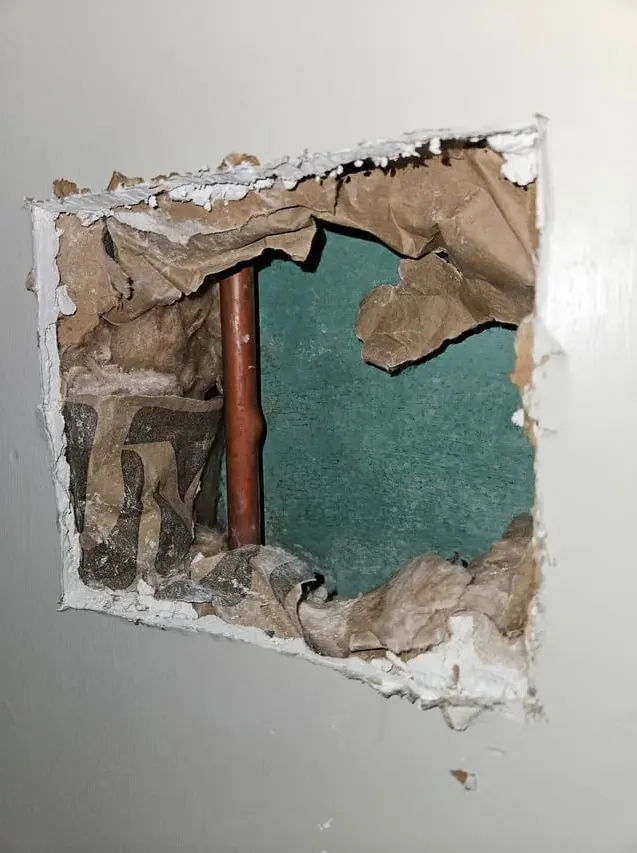
After extraction, a storm flood cleanup crew checks walls, flooring and the slab edge with moisture readings. Wet baseboards and the lowest section of drywall are often cut out so the cavity behind them can dry.
Air movers and dehumidifiers then run until the readings match a dry reference spot. The crew rechecks the wall base at each visit and keeps a written record for the insurance claim.
- Extraction removes standing water from the slab and any carpet or rugs.
- Baseboards and low drywall come off where readings stay high.
- Fans and dehumidifiers dry the slab edge, wall base and nearby rooms.
- Photos and readings go into a record for the insurer.
Why Storm Water Is Treated as Contaminated
City storm sewers here drain to Lavon Lake untreated. That means runoff picks up whatever lies on streets, lawns and driveways before it reaches a house.
For that reason, floodwater that enters living space is handled differently from a clean supply leak. Porous materials that sat in it, such as carpet padding, cardboard and low drywall, are usually removed instead of dried in place.
Hard surfaces such as a sealed concrete slab are cleaned and then dried. Careful structural drying with readings at the wall base confirms nothing is left behind.
Getting a Home Ready Before the Next Storm
Collin County gets just under 35 inches of rain a year, and the county sits almost entirely in the Blackland Prairie. The city has also carried out a riparian restoration along Tickey Creek at J.M. Caldwell Sr Community Park.
That work is a reminder that the creek corridor is actively managed.
A few small habits help a home handle runoff better.
A short walk around the house during a storm shows where water pools. Those spots tell a homeowner where to add a seal, a downspout extension or a sandbag barrier.
- Replace a cracked or flattened garage door bottom seal.
- Keep gutters and downspouts clear and point them away from the slab.
- Store valuables and paper goods on shelves instead of the floor.
- Keep a note of the shutoff for the garage outlets and the panel location.
Questions
Is garage flood water clean enough for a homeowner to mop up?
Storm water crosses streets and lawns first, so it is treated as contaminated. Small puddles on a sealed floor can be cleaned with care, but anything that reached drywall, boxes or carpet needs a crew.
How can a garage flood lead to wet walls?
Drywall and the wooden plate at the base of a wall pull water upward from a wet floor. The moisture can travel behind baseboards before a stain shows.
Why does runoff seem worse in newer neighborhoods?
Development turns open ground into roofs, driveways and streets, and city watershed notes say that increases runoff during rain. More water arrives at the same low spots.
What should be photographed for an insurance claim?
Capture the high-water mark on walls, the floor, damaged items and any outlets near the water. Photos taken before cleanup are the most useful.
Does the slab need to be dried even if it looks dry?
Yes. Concrete holds moisture below the surface, so readings are taken until the slab and wall base match a dry reference spot.
Do older homes on larger parcels handle runoff better?
Larger parcels leave more open ground to absorb rain, but a low spot beside a garage or a patio door can still collect water in a heavy storm.